
Advertisements
The latest developments concerning The 2026 Guide to Home Gardening: Cultivating a 50-Square-Foot Edible Garden are now available, offering key facts and verified strategies for maximizing small spaces. This comprehensive resource provides timely information and practical advice for both novice and experienced gardeners. Readers will discover actionable insights to establish and maintain a productive edible garden, ensuring a consistent supply of fresh, homegrown produce.
The 2026 Guide to Home Gardening: Cultivating a 50-Square-Foot Edible Garden is setting a new standard for urban and suburban cultivators, emphasizing efficiency and sustainability. With increasing interest in self-sufficiency and fresh produce, this guide addresses critical needs for those with limited space. This update prioritizes what is essential for successful small-scale gardening, offering clear, actionable steps for immediate implementation.
The focus remains on practical applications and verifiable results, ensuring gardeners can confidently approach their projects. From soil preparation to harvesting, every aspect is covered to help transform a modest plot into a bountiful source of food. This guide is poised to become an indispensable tool for anyone looking to embrace the home gardening movement in 2026.
Advertisements
The burgeoning trend of home gardening continues to gain momentum, with more individuals seeking to cultivate their own food sources. As urban living spaces shrink, the demand for efficient, high-yield gardening techniques has surged, making The 2026 Guide to Home Gardening: Cultivating a 50-Square-Foot Edible Garden particularly relevant. This guide serves as a foundational resource for navigating the complexities of small-space cultivation, offering expert insights and practical methodologies.
The guide not only addresses the logistical challenges of limited area but also champions sustainable practices that benefit both the gardener and the environment. It underscores the importance of organic methods, water conservation, and soil health, aligning with contemporary ecological concerns. By focusing on a 50-square-foot edible garden, the guide democratizes access to fresh produce, making it achievable for a wider audience.
Advertisements
Understanding the principles outlined in this guide can transform a small patch of land into a highly productive food system. It encourages a deeper connection with nature and provides a tangible pathway to food security. For anyone considering embarking on their gardening journey in the coming years, this resource offers an invaluable starting point.
Strategic Planning for Your 50-Square-Foot Edible Garden
Effective planning is the cornerstone of any successful gardening endeavor, especially when working with a compact 50-square-foot edible garden. This initial phase involves assessing your space, understanding sunlight patterns, and defining your cultivation goals. A well-thought-out plan maximizes every inch, preventing common pitfalls and ensuring a bountiful harvest.
Consider the orientation of your garden relative to the sun throughout the day and across seasons. Most edible plants require at least six to eight hours of direct sunlight daily to thrive. Mapping out these sun patterns will dictate plant placement and help you choose appropriate crops for different zones within your small plot.
Beyond sunlight, think about accessibility for watering, weeding, and harvesting. Designing pathways, even narrow ones, can make maintenance much easier. This strategic foresight is crucial for transforming your 50-square-foot edible garden into a productive and enjoyable space.
Maximizing Space with Vertical Gardening
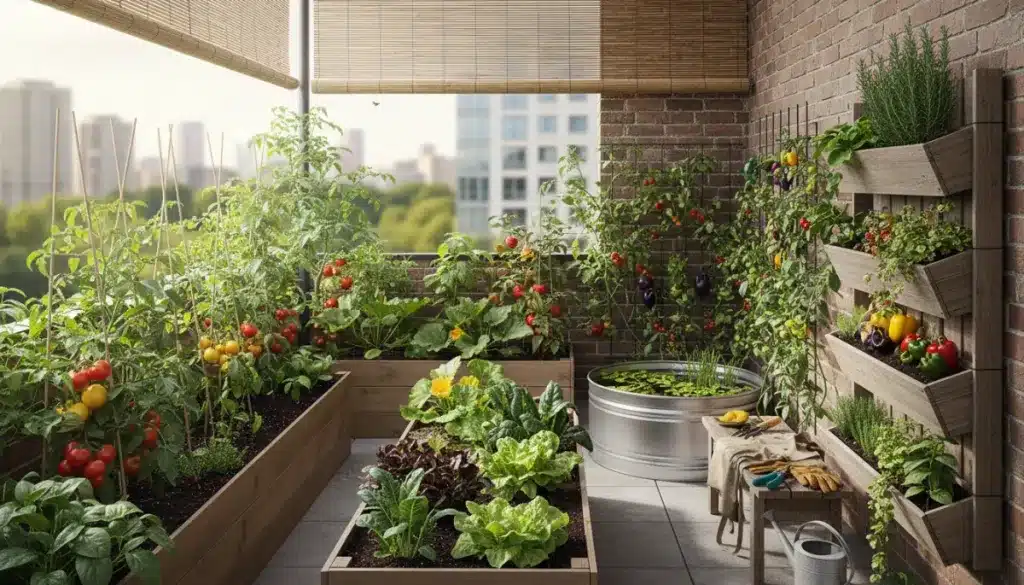
Vertical gardening techniques are indispensable for a 50-square-foot edible garden, allowing you to grow more in less horizontal area. Think upwards with trellises, hanging planters, and stacked containers. These methods not only increase yield but also add aesthetic appeal to your garden.
- Utilize trellises for climbing plants like tomatoes, cucumbers, and beans.
- Install wall-mounted planters for herbs, leafy greens, and strawberries.
- Employ tiered raised beds or stackable containers for root vegetables and compact varieties.
By integrating vertical elements, you can effectively multiply your growing surface. This approach is particularly beneficial in urban environments where ground space is at a premium, making your 50-square-foot edible garden significantly more productive.
Companion Planting for Enhanced Growth
Companion planting is a time-tested strategy that leverages beneficial interactions between different plant species, a smart move for any 50-square-foot edible garden. Certain plants can deter pests, attract pollinators, or improve soil health when grown together. This natural synergy reduces the need for chemical interventions and promotes a healthier ecosystem.
For instance, planting marigolds near tomatoes can help repel nematodes and other pests, while basil planted alongside tomatoes is said to improve their flavor. Similarly, nasturtiums can act as a trap crop for aphids, diverting them from more valuable produce. Researching compatible plant pairings is a key step in optimizing your small garden’s output.
Embracing companion planting within your 50-square-foot edible garden not only enhances plant vigor but also contributes to a more resilient and biodiverse growing environment. It’s a holistic approach that aligns perfectly with sustainable gardening principles and boosts the overall health of your crops.
Choosing the Right Crops for Limited Space
Selecting appropriate crops is paramount when planning for a 50-square-foot edible garden, as not all plants are equally suited for compact environments. Focus on varieties that offer high yield per square foot, have a shorter growth cycle, or can be harvested multiple times. This thoughtful selection ensures maximum productivity from your limited area.
Prioritize plants that you and your household consume regularly to make the most of your efforts. Consider dwarf varieties of popular vegetables, which are specifically bred for smaller spaces. These selections will form the backbone of your productive 50-square-foot edible garden.
Experimentation with different crops is encouraged, but always start with a few tried-and-true favorites to build confidence and ensure initial success. This approach allows you to learn what thrives best in your specific microclimate and soil conditions.
High-Yield Vegetables for Small Gardens
When cultivating a 50-square-foot edible garden, focusing on high-yield vegetables is essential for a rewarding harvest. These plants are chosen for their ability to produce a significant amount of food in a compact footprint. Maximizing output per plant is key to making the most of your limited space.
- Leafy Greens: Spinach, lettuce, and kale can be harvested repeatedly, providing a continuous supply.
- Radishes and Carrots: Fast-growing root vegetables that can be succession planted.
- Bush Beans and Peas: Compact varieties that offer substantial yields without sprawling.
These selections allow for intensive planting, meaning you can fit more plants into your 50-square-foot edible garden. Regular harvesting of leafy greens, for example, encourages new growth, extending their productive life and ensuring a steady supply of fresh produce.
Herbs and Small Fruits: Essential Additions
Incorporating herbs and small fruits into your 50-square-foot edible garden adds versatility and flavor to your homegrown produce. Many herbs are compact and can thrive in containers or small sections of the garden, while certain fruit varieties are well-suited for limited spaces. These additions enhance both the culinary and aesthetic appeal of your garden.
Consider perennial herbs like rosemary, thyme, and oregano, which provide continuous harvests with minimal effort. Strawberries, blueberries (in large pots), and dwarf fruit trees are excellent choices for small fruits, offering sweet rewards. These plants are often low-maintenance and contribute significantly to the overall biodiversity of your 50-square-foot edible garden.
The inclusion of herbs and small fruits ensures a diverse harvest, from fresh seasonings to sweet treats. They also attract beneficial insects, further supporting the health and productivity of your entire gardening system. This thoughtful integration elevates the functionality and enjoyment of your small edible space.
Sustainable Practices for a Thriving Edible Garden
Adopting sustainable practices is fundamental to maintaining a healthy and productive 50-square-foot edible garden for years to come. These methods reduce environmental impact, conserve resources, and foster a resilient growing ecosystem. From soil management to water conservation, every sustainable choice contributes to a more robust garden.
Focus on building healthy soil through composting and the use of organic amendments. Rich, living soil is the foundation of a successful edible garden, providing essential nutrients and supporting beneficial microbial life. This approach minimizes the need for synthetic fertilizers and promotes vibrant plant growth.
Integrated pest management (IPM) is another critical component, utilizing natural predators and cultural practices to control pests rather than relying on harmful chemicals. By embracing these sustainable techniques, your 50-square-foot edible garden becomes a model of ecological harmony and consistent production.
Composting and Soil Enrichment
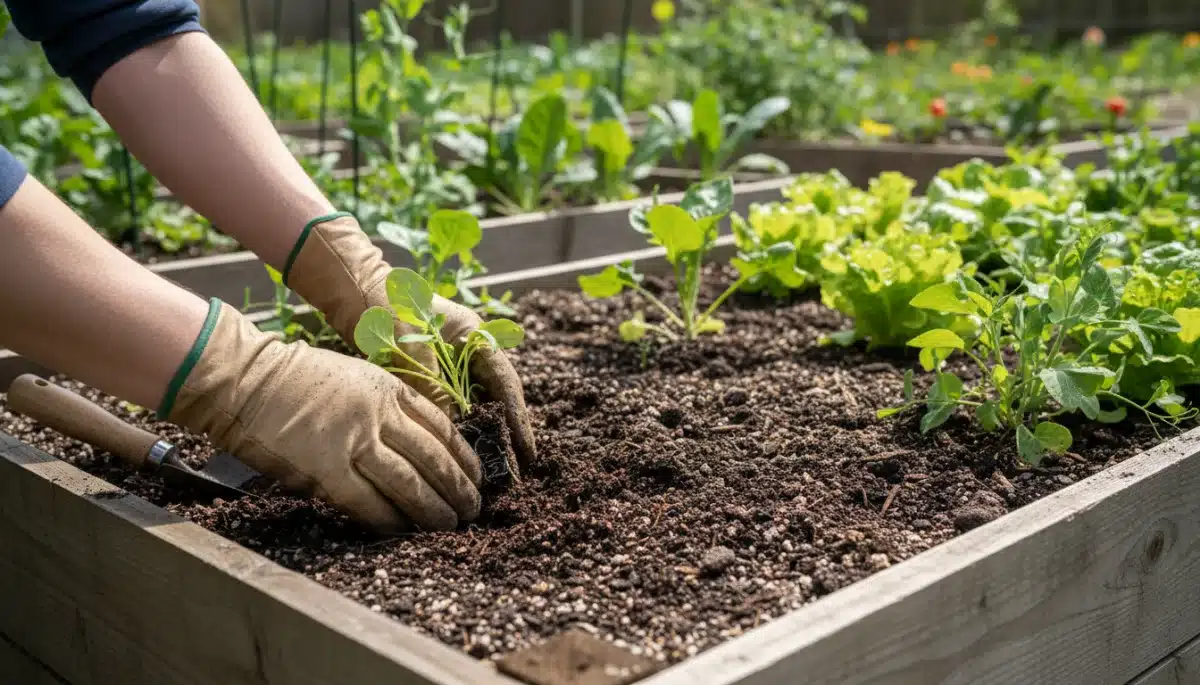
Composting is a cornerstone of sustainable gardening, transforming kitchen and yard waste into nutrient-rich humus for your 50-square-foot edible garden. This practice improves soil structure, enhances water retention, and provides a slow-release source of essential nutrients. Creating your own compost reduces waste and enriches your garden naturally.
Regularly amending your garden beds with compost revitalizes the soil, making it more fertile and resistant to erosion. It also introduces beneficial microorganisms that break down organic matter and make nutrients available to plants. This continuous cycle of enrichment is vital for the long-term health and productivity of your small edible garden.
Beyond compost, consider cover crops during off-seasons to protect and improve soil structure. These plants prevent nutrient leaching and add organic matter when tilled back into the soil, ensuring your 50-square-foot edible garden remains fertile and ready for planting.
Water Conservation Techniques
Efficient water management is crucial for any 50-square-foot edible garden, especially in regions facing water scarcity. Implementing smart irrigation strategies not only conserves a precious resource but also ensures your plants receive adequate moisture without waste. Sustainable watering practices are key to environmental responsibility and garden success.
- Install drip irrigation or soaker hoses to deliver water directly to the plant roots, minimizing evaporation.
- Apply a thick layer of organic mulch around plants to retain soil moisture and suppress weeds.
- Collect rainwater in barrels for use in your garden, reducing reliance on municipal water sources.
By adopting these water-saving methods, you can significantly reduce your garden’s water footprint. This thoughtful approach to irrigation supports the health of your plants while contributing to broader environmental conservation efforts, making your 50-square-foot edible garden more resilient.
Pest and Disease Management in a Small Garden
Effective pest and disease management is crucial for maintaining the health and productivity of your 50-square-foot edible garden. In a confined space, an outbreak can spread rapidly, so early detection and intervention are key. Adopting organic and preventative strategies minimizes harm to both your plants and the environment.
Regularly inspect your plants for any signs of trouble, such as discolored leaves, chewed foliage, or unusual spots. Early identification allows for targeted treatment before the problem escalates. This proactive vigilance is a hallmark of successful small-space gardening.
Understanding common pests and diseases specific to your chosen crops will empower you to implement appropriate solutions. By focusing on prevention and natural remedies, your 50-square-foot edible garden can remain healthy and productive throughout the growing season.
Organic Pest Control Methods
For a 50-square-foot edible garden, embracing organic pest control methods is vital for ensuring your produce remains chemical-free and safe for consumption. These strategies focus on ecological balance rather than harsh chemicals, promoting a healthier garden ecosystem. Natural pest management protects beneficial insects while deterring harmful ones.
- Introduce beneficial insects like ladybugs and lacewings, which prey on common garden pests.
- Use physical barriers such as row covers to protect young plants from flying insects.
- Employ homemade insecticidal soaps or neem oil sprays for targeted pest infestations.
These organic approaches are gentle on your plants and the environment, ensuring your 50-square-foot edible garden thrives naturally. They require consistent monitoring and application but yield safe, healthy produce without compromising ecological integrity.
Disease Prevention and Treatment
Preventing plant diseases in your 50-square-foot edible garden starts with good cultural practices and selecting disease-resistant varieties. Healthy plants are better equipped to fend off pathogens, so focus on proper watering, adequate spacing, and good air circulation. These preventative measures are far more effective than trying to cure a widespread infection.
Ensure your tools are clean to avoid transferring diseases from one plant to another. Remove and dispose of infected plant material promptly to prevent further spread. For fungal issues, consider organic fungicides like copper or sulfur, applied according to instructions.
Maintaining optimal growing conditions and choosing resilient plant types greatly reduces the risk of disease in your 50-square-foot edible garden. A proactive stance on plant health ensures a vibrant and continuous harvest throughout the season.
Harvesting and Enjoying Your Edible Garden’s Bounty
Knowing when and how to harvest your crops is as crucial as growing them, especially in a 50-square-foot edible garden where maximizing yield is paramount. Timely harvesting encourages plants to produce more, extending your growing season and ensuring a continuous supply of fresh produce. Proper techniques also preserve the quality and flavor of your harvest.
Different vegetables and fruits have specific indicators of ripeness, from color changes to firmness. Familiarize yourself with these signs for each crop you grow to ensure you are picking at peak flavor and nutritional value. This attention to detail enhances the reward of your gardening efforts.
Beyond harvesting, consider how you will preserve any surplus produce to enjoy throughout the year. Freezing, canning, or drying can extend the life of your bounty, making your 50-square-foot edible garden a year-round source of food. This comprehensive approach ensures no effort goes to waste.
Techniques for Continuous Harvesting
To maximize the yield from your 50-square-foot edible garden, employing continuous harvesting techniques is essential. This involves regularly picking mature produce, which signals the plant to produce more flowers and fruits. Consistent harvesting prevents plants from putting all their energy into seed production, extending their productive life.
- Cut-and-Come-Again Greens: Harvest outer leaves of lettuce, spinach, and kale, allowing the inner leaves to continue growing.
- Bush Beans and Peas: Pick pods regularly to encourage new flower and bean development.
- Zucchini and Cucumbers: Harvest while young and tender; frequent picking prevents oversized, less flavorful produce.
These methods ensure a steady supply of fresh produce from your 50-square-foot edible garden. Regular interaction with your plants also allows for early detection of any issues, contributing to overall garden health and productivity.
Preserving Your Homegrown Produce
Once you’ve harvested your bounty from the 50-square-foot edible garden, preserving the excess ensures you can enjoy it long after the growing season ends. Various methods allow you to store fresh flavors and nutrients, reducing food waste and extending the value of your gardening efforts. Strategic preservation complements the hard work put into cultivation.
Freezing is ideal for many vegetables and fruits, often requiring blanching beforehand to maintain quality. Canning, while more involved, is excellent for creating shelf-stable goods like sauces, jams, and pickles. Dehydrating herbs and some fruits offers another way to store them compactly.
Planning your preservation strategy before the harvest peak ensures you have the necessary equipment and knowledge. This foresight transforms your 50-square-foot edible garden into a year-round pantry, providing fresh, healthy food regardless of the season.
Advanced Strategies for a Highly Productive Small Garden
For those looking to push the boundaries of their 50-square-foot edible garden, advanced strategies can significantly boost productivity and diversity. These techniques move beyond basic gardening principles, incorporating more intricate methods to optimize every aspect of your small plot. The goal is to create a hyper-efficient and resilient food system within limited confines.
Consider implementing succession planting, where you plant new crops immediately after harvesting others, ensuring no soil space remains idle. This continuous rotation maximizes the number of harvests you can achieve in a single season. It requires careful planning but yields impressive results for your 50-square-foot edible garden.
Exploring permaculture principles, even on a small scale, can also enhance your garden’s self-sufficiency and ecological balance. Integrating edible perennials, creating microclimates, and designing for natural water flow contribute to a more robust and less labor-intensive system. These advanced approaches elevate the potential of your 50-square-foot edible garden.
Season Extension Techniques
Extending your growing season is a powerful advanced strategy for any 50-square-foot edible garden, allowing you to harvest fresh produce for more months of the year. Techniques like using cold frames, hoop houses, or row covers can protect plants from early frosts and late freezes. This proactive approach ensures a longer period of productivity.
Starting seeds indoors under grow lights also gives you a head start on the season, allowing plants to be more mature when transplanted outdoors. Similarly, protecting plants from intense summer heat with shade cloths can prevent bolting and stress, prolonging their productive life. These methods are invaluable for maximizing your 50-square-foot edible garden’s output.
By strategically implementing season extension tools, you can significantly increase the quantity and variety of crops harvested. This creates a more consistent supply of homegrown food, making your small garden even more valuable and sustainable.
Crop Rotation and Soil Health
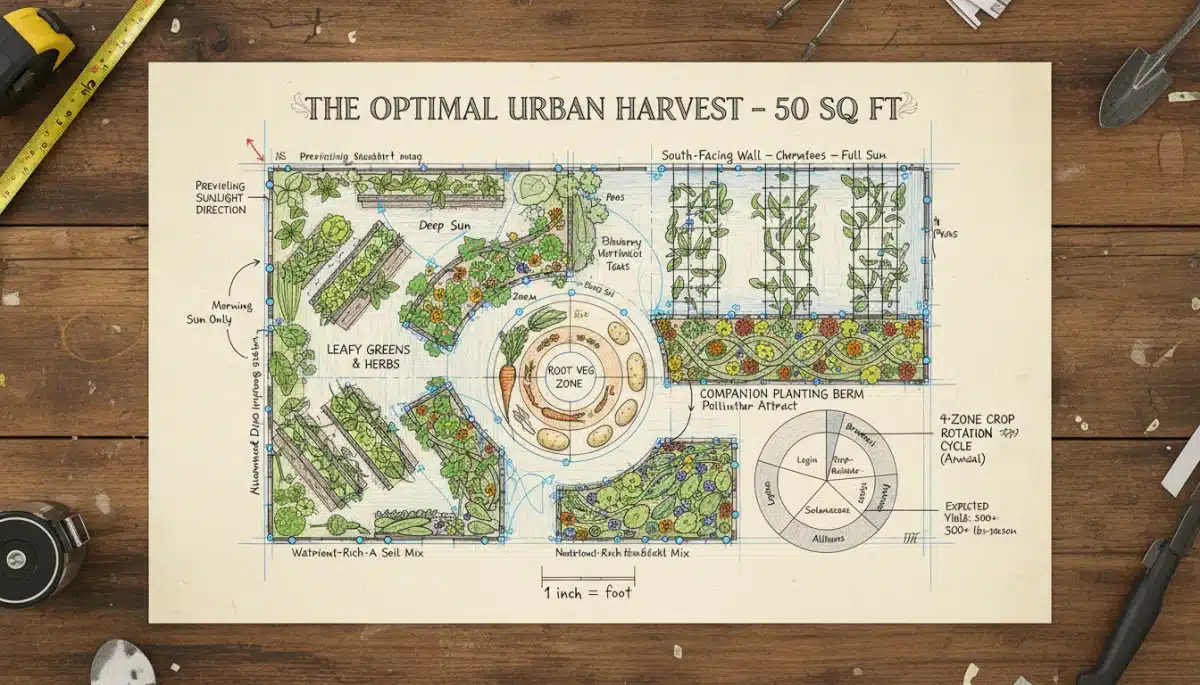
Implementing a systematic crop rotation plan is crucial for the long-term health and productivity of your 50-square-foot edible garden. This practice involves changing the location of different plant families each season, which helps prevent the build-up of soil-borne diseases and pests. It also optimizes nutrient utilization, as different plants have varying nutritional needs.
Rotating crops ensures that no single nutrient is depleted excessively from one area and prevents specific pathogens from establishing a permanent foothold. For instance, following a heavy nitrogen feeder with a legume (which fixes nitrogen) can naturally replenish soil fertility. This thoughtful approach maintains soil vitality without heavy reliance on external inputs.
A well-executed crop rotation plan is a cornerstone of sustainable agriculture, even in a small 50-square-foot edible garden. It keeps your soil vibrant, your plants healthy, and your harvests consistently abundant, contributing to the overall resilience of your gardening system.
The Future of Home Gardening: Trends for 2026
As we look towards 2026, the landscape of home gardening is evolving rapidly, driven by technological advancements and a renewed focus on sustainability. The 2026 Guide to Home Gardening: Cultivating a 50-Square-Foot Edible Garden incorporates these emerging trends, offering a glimpse into the future of small-scale food production. Innovations in automation and data-driven gardening are set to transform how we grow our food.
Smart gardening systems, leveraging IoT sensors and AI, will become more accessible, helping gardeners optimize watering, nutrient delivery, and pest detection. These tools empower even novice gardeners to achieve professional-level results, making the smart home edible garden more efficient than ever. Integration of technology promises to simplify complex gardening tasks.
Furthermore, an increasing emphasis on biodiversity and native plant integration will shape future gardening practices. Creating habitats for beneficial insects and pollinators will be central to maintaining ecological balance within and around the edible garden. These trends highlight a holistic approach to cultivation, moving beyond mere production to ecosystem stewardship.
Technological Integration in Small Gardens
The integration of technology is poised to revolutionize the 50-square-foot edible garden by 2026, making gardening more precise and less labor-intensive. From automated irrigation systems to smart sensors, technology offers solutions for common challenges. These innovations promise to streamline operations and enhance plant health, optimizing every aspect of cultivation.
- Smart Irrigation: Systems that adjust watering schedules based on soil moisture and weather forecasts.
- Automated Monitoring: Sensors that track pH levels, nutrient deficiencies, and environmental conditions.
- Vertical Hydroponics/Aeroponics: Compact, water-efficient systems for growing greens and herbs indoors or in small outdoor spaces.
These technological advancements make it easier to maintain optimal growing conditions, reducing guesswork and increasing yields in your 50-square-foot edible garden. They represent a significant leap forward in making sustainable food production accessible to everyone, regardless of experience.
Community and Educational Initiatives
The growth of home gardening is also fueled by robust community and educational initiatives, which will continue to expand by 2026. These programs provide vital support, knowledge sharing, and resources for individuals embarking on or advancing their 50-square-foot edible garden projects. Collaborative efforts foster a sense of shared purpose and collective learning.
Local garden clubs, workshops, and online forums offer invaluable platforms for exchanging tips, troubleshooting problems, and celebrating successes. Community gardens often provide space and mentorship, especially for those in urban areas with limited private land. These initiatives strengthen the social fabric and promote food literacy.
Educational resources, like The 2026 Guide to Home Gardening: Cultivating a 50-Square-Foot Edible Garden, play a crucial role in disseminating best practices and inspiring new gardeners. By fostering a supportive network, these programs ensure that the benefits of home gardening are widely accessible and continually evolving.
| Key Aspect | Description |
|---|---|
| Space Optimization | Utilizing vertical gardening, companion planting, and efficient layouts for a 50-square-foot edible garden. |
| Crop Selection | Choosing high-yield, compact varieties and fast-growing plants suitable for limited garden spaces. |
| Sustainable Practices | Implementing composting, water conservation, and organic pest control for ecological balance. |
| Future Trends | Integrating smart technology and community initiatives for enhanced gardening efficiency and knowledge sharing. |
Frequently Asked Questions About Edible Home Gardening
The ideal first step is thorough planning. Assess your available space, observe sunlight patterns throughout the day, and determine which vegetables and herbs you wish to grow. This initial assessment helps you design an efficient layout that maximizes every inch of your 50-square-foot edible garden.
Maximizing yield involves several strategies: utilize vertical space with trellises and hanging planters, practice companion planting for natural pest control, and choose high-yield, compact plant varieties. Continuous harvesting and succession planting also ensure consistent production from your 50-square-foot edible garden.
Key sustainable practices include composting kitchen and yard waste to enrich soil, employing drip irrigation or rainwater harvesting for water conservation, and using organic pest control methods. These approaches minimize environmental impact and foster a healthy ecosystem within your 50-square-foot edible garden.
Yes, many plants are well-suited for compact spaces. Leafy greens (lettuce, spinach, kale), radishes, bush beans, herbs, and compact tomato or cucumber varieties are excellent choices. Prioritize plants with high yield-to-space ratios and those that can be harvested multiple times to optimize your 50-square-foot edible garden.
By 2026, technology will increasingly integrate into home gardening through smart irrigation systems, automated sensors for soil health, and compact hydroponic setups. These innovations will simplify maintenance, optimize growing conditions, and empower gardeners to achieve better results, even in a small 50-square-foot edible garden.
Looking Ahead: The Evolving Landscape of Home Gardening
The insights provided in The 2026 Guide to Home Gardening: Cultivating a 50-Square-Foot Edible Garden underscore a significant shift towards more efficient and sustainable growing practices. As urban development continues, the emphasis on maximizing small spaces will only intensify, making these strategies increasingly vital. Readers should continue to monitor advancements in smart garden technology and community-led initiatives, which are poised to further democratize access to fresh, homegrown food. The principles of a 50-square-foot edible garden will remain at the forefront of this green revolution, fostering resilience and self-sufficiency in households across the nation.
