
Advertisements
The latest 2026 Home Renovation Trends indicate a significant 15% increase in smart home integration, reshaping residential living. This report provides crucial insights into emerging design preferences, technological advancements, and sustainable practices influencing future homes across the United States.
Home Renovation Trends is not just a projection but a clear direction for the housing market.
Homeowners are actively seeking renovations that incorporate cutting-edge technology, reflecting a broader societal shift towards connectivity and efficiency in daily life. This article delves into the specifics of this transformation, offering a comprehensive overview of what to expect.
Advertisements
The Rise of Smart Home Integration in 2026 Home Renovation Trends
The landscape of home renovation is undergoing a profound transformation, with smart home technologies taking center stage. Experts predict a substantial 15% increase in smart home integration, signaling a pivotal shift in how Americans envision and upgrade their living spaces. This surge is driven by a confluence of factors, including enhanced convenience, energy efficiency, and heightened security.
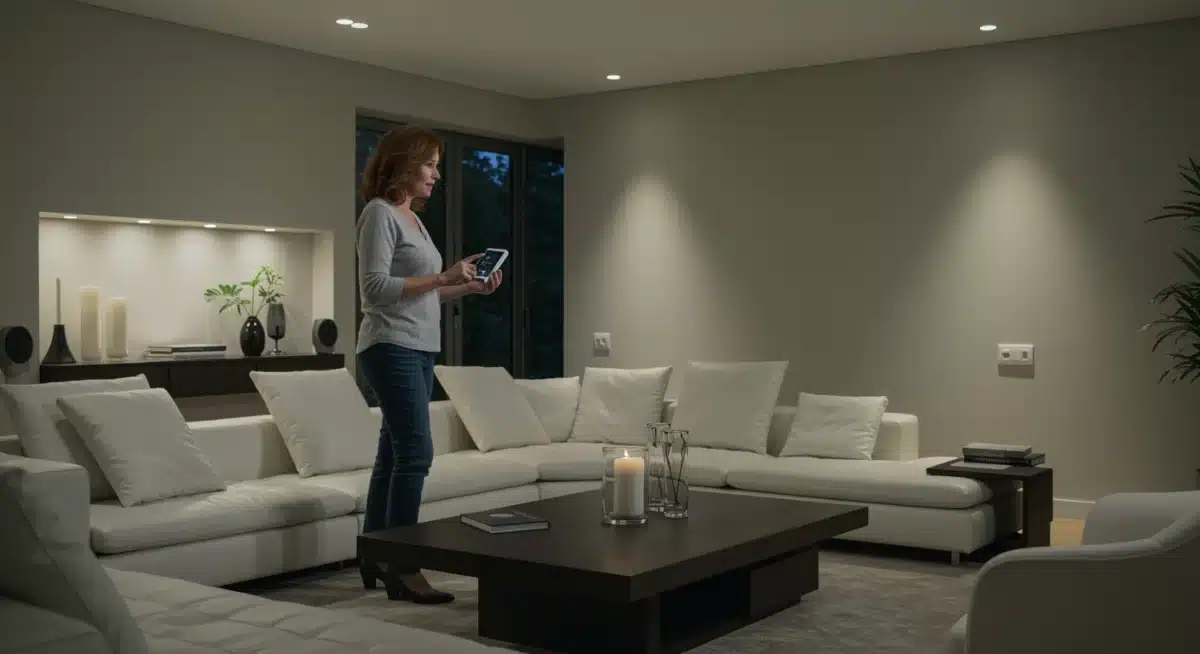
As homeowners increasingly prioritize seamless control over their environments, the demand for integrated systems is escalating. From automated lighting and climate control to advanced security systems and intelligent appliances, smart solutions are becoming indispensable elements of modern home design. This trend is not merely about novelty; it’s about creating more intuitive and responsive homes that adapt to the occupants’ needs.
This significant growth in smart home adoption within 2026 Home Renovation Trends reflects a mature market where technology is no longer a luxury but a fundamental expectation. The focus is on creating cohesive ecosystems where devices communicate effortlessly, offering unparalleled comfort and operational efficiency. The integration extends beyond individual gadgets to comprehensive, interconnected home management systems.
Advertisements
Key Drivers Behind the 15% Increase in Smart Home Adoption
Several factors are propelling the rapid adoption of smart home technologies, making them a cornerstone of 2026 Home Renovation Trends. Cost-effectiveness, driven by advancements in manufacturing and increased competition, has made these systems more accessible to a broader demographic. This affordability, coupled with tangible benefits, makes smart home solutions an attractive investment.
The desire for enhanced energy efficiency is another significant catalyst. Smart thermostats, automated blinds, and intelligent lighting systems enable homeowners to significantly reduce their energy consumption and utility bills. This economic incentive resonates strongly with environmentally conscious consumers and those looking to optimize household expenses in the long run.
Furthermore, the growing emphasis on home security and personal safety plays a crucial role. Smart locks, video doorbells, and integrated surveillance systems provide homeowners with peace of mind and greater control over their property. The ability to monitor and manage home security remotely adds a layer of convenience and responsiveness previously unavailable, solidifying its place in 2026 Home Renovation Trends.
Technological Advancements and User Experience
Innovations in artificial intelligence and machine learning are making smart home systems more intuitive and proactive.
Voice-activated assistants and predictive algorithms learn user preferences, automating tasks and anticipating needs without explicit commands. This seamless user experience is a major draw for homeowners seeking effortless control over their living spaces.
Interoperability between different smart devices and platforms has also improved significantly. The fragmentation that once plagued the smart home market is gradually being overcome, allowing for more integrated and unified control systems.
This ensures that various smart devices can work together harmoniously, enhancing overall functionality and user satisfaction.
Sustainability and Eco-Conscious Renovations
The push for sustainable living is deeply intertwined with the evolution of smart homes. Many smart devices are designed to optimize resource usage, contributing to a smaller carbon footprint.
This alignment with eco-friendly values makes smart home integration a natural fit for homeowners undertaking green renovations, further embedding it within 2026 Home Renovation Trends.
- Energy-efficient smart thermostats and lighting systems.
- Smart irrigation systems reducing water waste.
- Integration with renewable energy sources for optimized consumption.
Emerging Design Principles Integrating Smart Technologies
The integration of smart home technology is no longer an afterthought but a fundamental aspect of architectural and interior design. Designers are now conceptualizing spaces where technology is seamlessly embedded, often invisibly, enhancing aesthetics while providing advanced functionality. This holistic approach ensures that smart features complement the overall design rather than detracting from it.
Minimalism and functionality are key tenets of these emerging design principles. Cables are concealed, control panels are integrated flush with walls, and devices blend effortlessly into their surroundings. The objective is to create environments that feel natural and intuitive, where technology serves to simplify life without overwhelming the visual space.
Future-proofing homes is also a significant consideration, driving decisions in 2026 Home Renovation Trends. Renovations are being planned with scalability and adaptability in mind, allowing for easy upgrades and integration of future technologies. This foresight ensures that today’s smart home investments remain relevant and valuable for years to come.
Smart Kitchens and Bathrooms: Innovation Hubs
Kitchens and bathrooms are leading the charge in smart home integration, transforming into highly efficient and luxurious spaces.
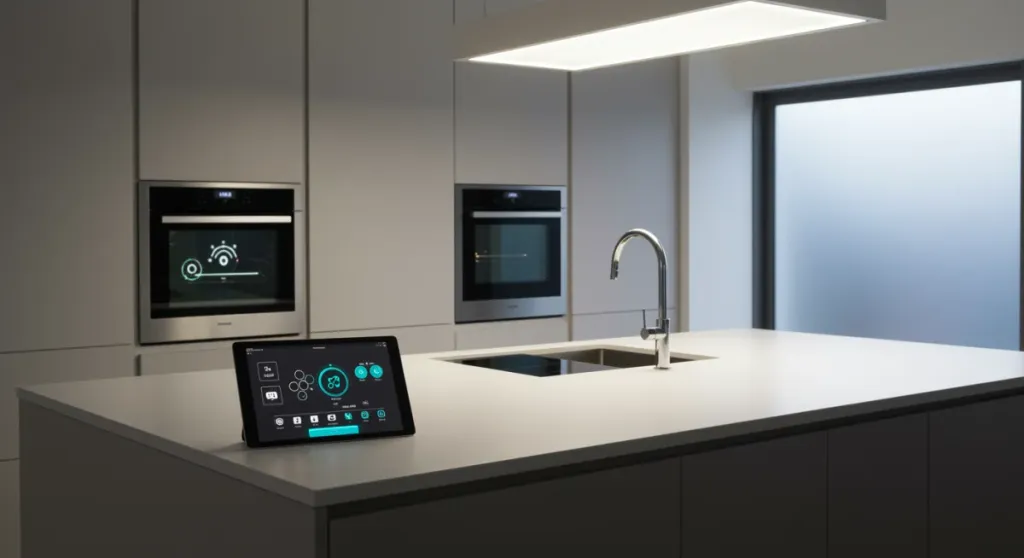
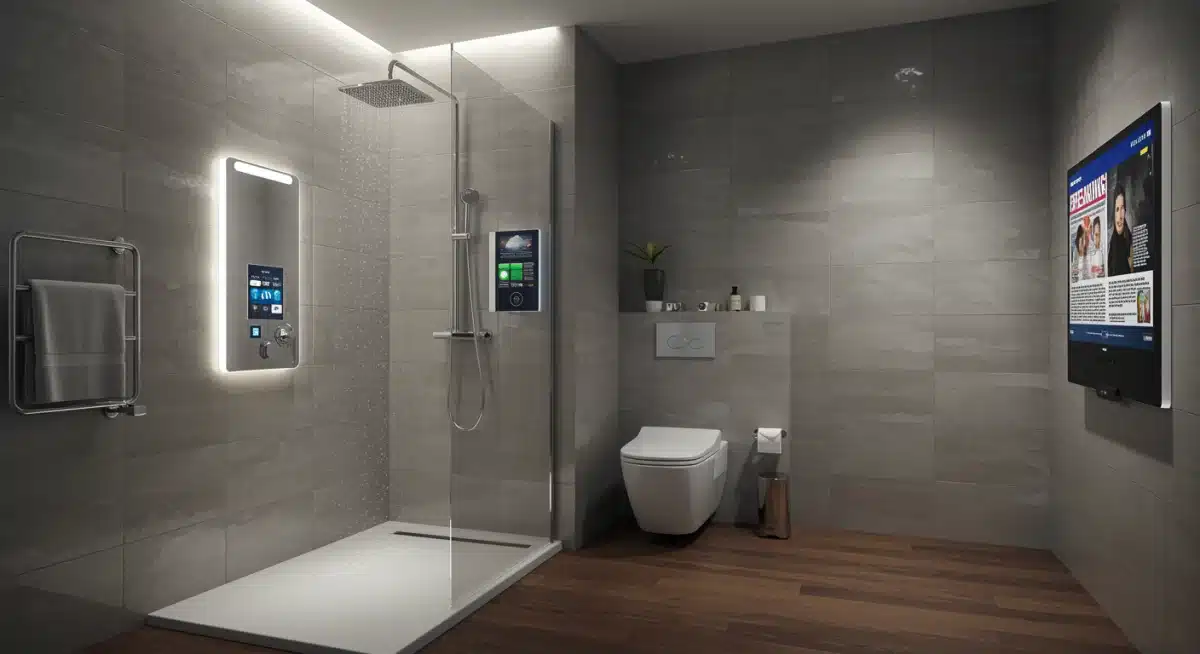
Smart appliances in the kitchen, like refrigerators with inventory management and ovens with remote control, are becoming standard. In bathrooms, automated showers, smart mirrors, and self-cleaning toilets offer unparalleled convenience and hygiene.
These spaces are designed for both utility and indulgence, with technology enhancing every aspect of daily routines.
From personalized lighting and temperature settings to voice-activated entertainment systems, the focus is on creating environments that cater to individual preferences and elevate the living experience. This focus is central to 2026 Home Renovation Trends.
- Smart refrigerators with touch screens and recipe suggestions.
- Automated coffee makers and intelligent dishwashers.
- Voice-controlled lighting and ventilation in bathrooms.
Impact on Property Value and Resale Market
For homeowners considering renovations, the integration of smart home technologies presents a compelling return on investment. Properties equipped with advanced smart systems often command higher resale values and attract a wider pool of prospective buyers. This is particularly true as the market increasingly recognizes the long-term benefits of smart living, making it a crucial aspect of 2026 Home Renovation Trends.
Buyers are increasingly seeking homes that offer turn-key smart solutions, avoiding the hassle and expense of installing these systems themselves. A well-integrated smart home signifies modernity, efficiency, and preparedness for the future, factors that are highly desirable in today’s competitive real estate market. This trend is expected to intensify as technology continues to evolve.
The perception of a smart home as a premium offering is evolving; it is quickly becoming a standard expectation. Homes that lack these features may soon be seen as outdated, potentially impacting their marketability. Therefore, investing in smart home integration is not just about personal convenience but also a strategic move for future property value, a key takeaway from 2026 Home Renovation Trends.
Challenges and Considerations in Smart Home Renovations
While the benefits of smart home integration are clear, homeowners and contractors must navigate specific challenges during renovation projects. Compatibility issues between different brands and ecosystems can complicate the integration process, requiring careful planning and expert consultation. Ensuring all devices communicate effectively is paramount for a truly smart home.
Data privacy and cybersecurity are also significant concerns. As more devices connect to the internet, the risk of data breaches and unauthorized access increases. Homeowners need to prioritize robust security measures and choose reputable brands that offer strong encryption and regular software updates. This awareness is growing as part of the broader discussion around 2026 Home Renovation Trends.
The initial investment for comprehensive smart home systems can be substantial, although prices are steadily declining. Homeowners must weigh the upfront costs against the long-term savings in energy consumption and the added convenience and security. A phased approach, integrating key smart features over time, can be a practical strategy for managing budgets effectively when considering 2026 Home Renovation Trends.
Professional Installation and Maintenance
The complexity of integrating multiple smart systems often necessitates professional installation.
Expert technicians ensure that devices are correctly configured, networks are secure, and all components work together seamlessly. This specialized knowledge is crucial for optimizing performance and avoiding potential issues down the line.
Ongoing maintenance and software updates are also essential for the longevity and security of smart home systems.
Homeowners should be aware of these requirements and choose systems that offer reliable support and frequent updates. Neglecting maintenance can lead to system vulnerabilities or reduced functionality over time, impacting the overall smart home experience.
Sustainable Practices and Smart Home Synergy
The synergy between smart home technology and sustainable renovation practices is becoming increasingly evident, shaping the future of residential development. Smart systems play a critical role in optimizing resource consumption, making eco-friendly homes not just a concept but a tangible reality. This integration is a defining characteristic of 2026 Home Renovation Trends, pushing towards greener living.
From smart energy monitors that track real-time consumption to automated water management systems, technology empowers homeowners to make informed decisions about their environmental impact. These systems provide valuable data and control, enabling significant reductions in utility usage and fostering a more sustainable lifestyle. The focus is on efficiency without sacrificing comfort.
Furthermore, smart home integration facilitates the use of renewable energy sources. Intelligent energy management systems can prioritize using solar power during peak generation times and store excess energy, maximizing the effectiveness of home solar installations. This holistic approach to energy management is a cornerstone of sustainable 2026 Home Renovation Trends.
Future Outlook: Beyond 2026 Home Renovation Trends
Looking beyond 2026, the trajectory for home renovation trends points towards even deeper integration of artificial intelligence and personalized automation. Homes will become more intuitive, anticipating needs and adjusting environments proactively, creating truly responsive living spaces. The interaction between human and habitat will grow increasingly seamless and sophisticated.
Expect to see advancements in health and wellness technologies embedded within smart homes. Air quality monitoring, advanced sleep tracking, and even integrated medical sensors will become more common, transforming homes into personalized health hubs. This focus on well-being will be a significant driver for future innovations, extending the scope of smart home integration.
The concept of the ‘adaptive home’ will gain prominence, where spaces can reconfigure themselves based on the time of day, occupants’ activities, or even external weather conditions. Modular designs combined with smart technology will allow for unparalleled flexibility and customization, further solidifying the impact of smart systems on long-term 2026 Home Renovation Trends and beyond.
Personalized Experiences and Predictive Automation
The future of smart homes lies in hyper-personalization, where AI-driven systems learn individual habits and preferences to create bespoke living experiences.
Imagine a home that adjusts lighting, temperature, and even music based on your mood or the task you are performing, all without explicit commands. This level of predictive automation will redefine comfort and convenience.
Integration with wearable technology and even biometric data will further enhance this personalization, allowing the home to respond to subtle cues from its occupants.
This seamless interaction will make living spaces feel more alive and connected to their inhabitants, marking a new era in residential technology and influencing 2026 Home Renovation Trends significantly.
The Role of AI and Machine Learning in Smart Home Evolution
Artificial intelligence (AI) and machine learning (ML) are the engines driving the next wave of smart home evolution, moving beyond simple automation to intelligent anticipation. These technologies enable devices to learn from user behavior, optimize energy consumption, and proactively address potential issues, making homes truly ‘smart’ rather than merely ‘connected.’ This advanced capability is a cornerstone of 2026 Home Renovation Trends.
AI algorithms analyze vast amounts of data from various sensors and devices within the home, identifying patterns and making informed decisions. For instance, an AI-powered thermostat can learn your daily schedule and preferred temperature settings, adjusting itself to maximize comfort and minimize energy waste without constant manual input. This level of autonomy enhances user experience significantly.
Beyond automation, AI is enhancing security features through advanced facial recognition and anomaly detection in surveillance systems. It can differentiate between familiar faces and potential threats, providing more accurate alerts and reducing false alarms. The continuous learning capabilities of ML ensure that these systems become more effective and reliable over time, a key aspect of 2026 Home Renovation Trends.
Enhanced Connectivity and Network Infrastructure
The increasing sophistication of smart homes demands robust and reliable network infrastructure.
The rollout of 5G technology and advancements in Wi-Fi standards are crucial for supporting the growing number of interconnected devices and the vast data they generate. A strong, stable network ensures seamless communication and optimal performance for all smart home components.
Edge computing, where data processing occurs closer to the source rather than in distant cloud servers, is also gaining traction. This reduces latency and improves the responsiveness of smart home systems, making interactions faster and more fluid.
This technological backbone is essential for realizing the full potential of smart home integration within 2026 Home Renovation Trends.
Government Initiatives and Industry Standards
As smart home technology proliferates, government initiatives and industry-wide standards are emerging to ensure interoperability, security, and consumer protection.
These regulatory frameworks aim to foster a more cohesive and trustworthy smart home ecosystem, benefiting both consumers and manufacturers. This standardization is vital for the sustained growth seen in 2026 Home Renovation Trends.
Organizations are working on common communication protocols that allow devices from different brands to work together seamlessly, reducing the frustration of incompatible systems.
These efforts are crucial for widespread adoption, as they simplify the integration process for homeowners and provide greater flexibility in choosing devices. This collaborative approach enhances the overall market appeal.
Furthermore, regulations concerning data privacy and cybersecurity are being developed to protect sensitive user information. These measures build consumer confidence and ensure that smart home technologies are implemented responsibly and ethically.
The establishment of clear guidelines is fundamental for the long-term success and acceptance of smart homes, a key element of 2026 Home Renovation Trends.
Consumer Education and Awareness
Educating consumers about the capabilities, benefits, and potential risks of smart home technology is paramount.
As smart homes become more complex, homeowners need to understand how these systems work, how to manage their data, and how to maintain security. Industry bodies and consumer advocacy groups are playing a vital role in disseminating this information.
Workshops, online resources, and clear product labeling help homeowners make informed decisions when selecting and installing smart home devices.
This increased awareness empowers consumers to leverage the full potential of their smart homes while mitigating potential downsides, contributing to the informed growth of 2026 Home Renovation Trends.
| Key Aspect | Brief Description |
|---|---|
| Smart Home Growth | Projected 15% increase in smart home integration by 2026. |
| Driving Factors | Convenience, energy efficiency, security, and affordability. |
| Design Integration | Seamless embedding of tech into minimalist and functional designs. |
| Future Outlook | Hyper-personalization, AI-driven automation, health tech integration. |
Frequently Asked Questions About 2026 Home Renovation Trends
The latest 2026 Home Renovation Trends are primarily defined by a significant surge in smart home integration, emphasizing connectivity, energy efficiency, and personalized living experiences. Sustainable practices and an aesthetic blend of technology into design are also key elements shaping these trends.
Smart home integration is increasing due to several factors: enhanced convenience through automation, significant energy savings, improved home security, and increasing affordability of devices. Technological advancements in AI and better interoperability also contribute to its rapid adoption.
Integrating smart home technologies positively impacts property values. Homes with well-implemented smart systems are more attractive to buyers, often commanding higher resale prices. They are perceived as modern, efficient, and future-proof, making them a desirable investment in the current real estate market.
Challenges in adopting smart home renovations include ensuring compatibility between diverse devices, addressing data privacy and cybersecurity concerns, and managing the initial investment costs. Professional installation and ongoing maintenance are also crucial considerations for homeowners.
Yes, sustainable practices will be a core part of future renovations, especially with smart home integration. Smart systems optimize resource consumption, reducing energy and water waste. This synergy between technology and eco-consciousness is a defining feature of current and future home renovation trends.
Looking Ahead
The significant 15% increase in smart home integration within 2026 Home Renovation Trends marks a definitive turn in how homes are conceived and experienced.
This shift underscores a broader demand for efficiency, security, and personalized living spaces that adapt to modern lifestyles.
As technology continues its rapid evolution, homeowners and industry professionals alike must remain vigilant to these ongoing developments, ensuring that renovations are not only aesthetically pleasing but also technologically advanced and future-ready.
The trajectory points towards an era where homes are not just structures, but intelligent partners in daily life.
