
Ceramic vs stainless steel cookware: how materials compare
Advertisements
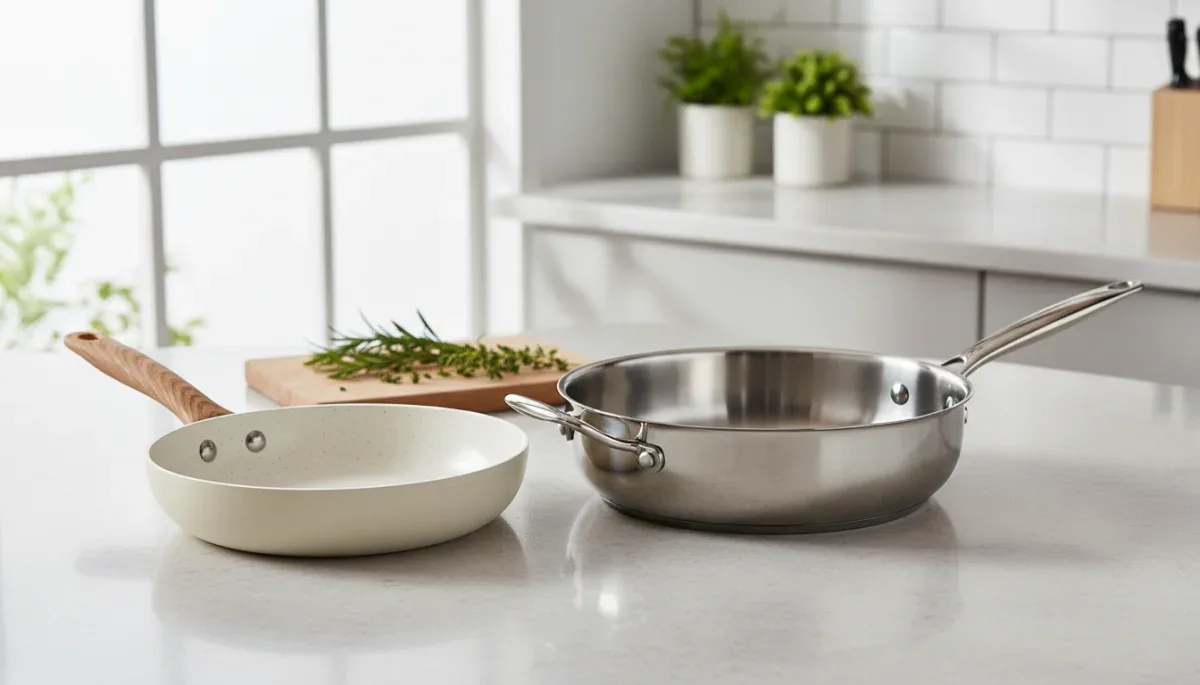
Choosing between ceramic vs stainless steel cookware comes down to how you prepare daily meals, manage cooking heat, and maintain your kitchen tools. Ceramic pans provide immediate, low-effort food release at low to moderate temperatures, while stainless steel pans offer exceptional longevity, heat tolerance, and the ability to build rich flavors through pan browning.
This comparison helps home cooks evaluate material safety, heat distribution, daily durability, and long-term costs without marketing hype. Understanding the physical properties of both materials makes it easier to decide whether your kitchen needs a single versatile workhorse, a specialized nonstick surface, or a balanced combination of both.
Material construction and manufacturing methods
To understand performance differences in ceramic vs stainless steel cookware, one must examine how manufacturers build each surface. Modern ceramic cookware does not consist entirely of clay or pottery. Instead, it features a metallic core, usually stamped or cast aluminum, coated with an inorganic, mineral-based sol-gel solution derived primarily from silica. This liquid solution is sprayed onto the metal base and cured at high temperatures to create a hard, slick, glossy release layer that contains no synthetic fluoropolymers such as polytetrafluoroethylene (PTFE).
Advertisements
Stainless steel cookware relies on a fundamentally different metallurgy. Pure stainless steel is a poor heat conductor on its own, so manufacturers construct quality pieces using clad layering, often labeled as tri-ply, 5-ply, or multi-ply. These pans feature an exterior and cooking surface made from food-grade stainless steel, typically 304 grade containing 18 percent chromium and 10 percent nickel, bonded tightly around an inner core of aluminum or copper. The interior core spreads heat rapidly across the base and up the sidewalls, while the hard, non-porous steel surface provides structural rigidity and chemical inertness.
Advertisements
Key structural components to identify
- Sol-gel ceramic coating: A thin silica-based mineral layer applied over an aluminum base to provide temporary nonstick properties without traditional chemicals.
- Cladded metal core: One or more layers of conductive aluminum or copper sandwiched inside stainless steel sheets to eliminate hot spots.
- Austenitic steel interior: High-grade 18/10 stainless steel that resists rust, corrosion, and physical pitting from acidic ingredients.
Heat tolerance and thermal performance
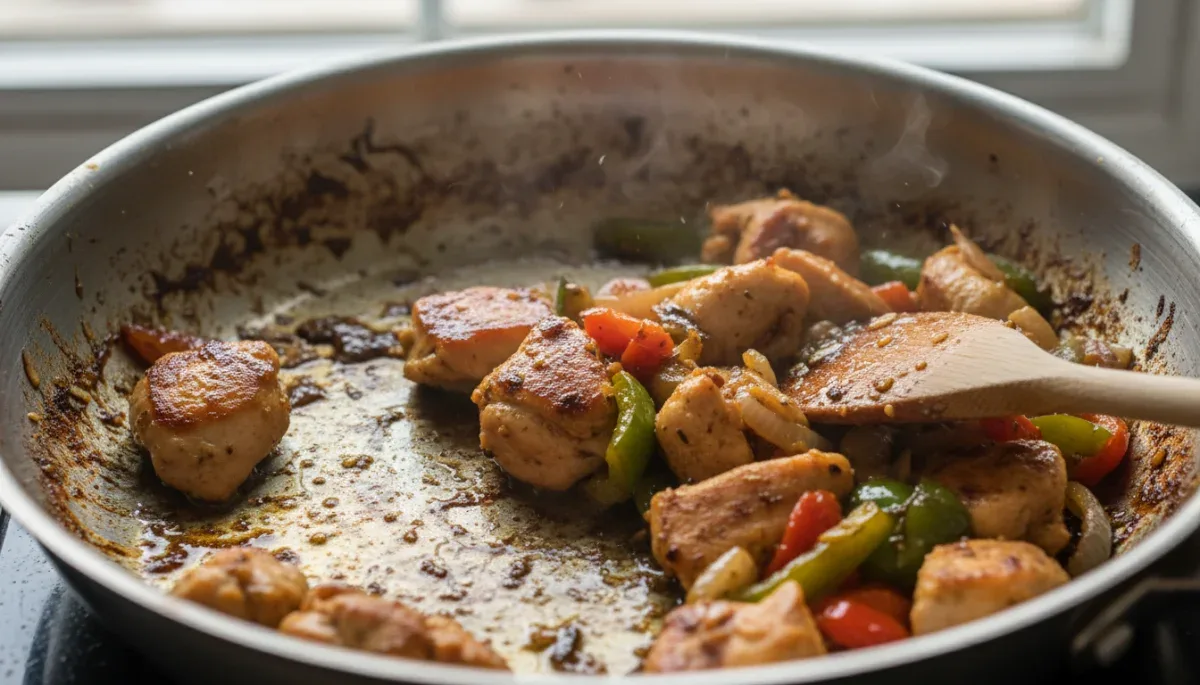
Heat management represents one of the starkest practical divides when comparing ceramic vs stainless steel cookware. Ceramic coatings excel at gentle cooking because the underlying aluminum base warms quickly and transfers energy directly into delicate ingredients. However, the mineral coating degrades rapidly under intense heat. Most manufacturers state that sol-gel surfaces should not exceed 400 to 450 degrees Fahrenheit on the stovetop. Exposing ceramic pans to empty preheating or maximum burner settings breaks down the microscopic structure of the silica layer, permanently diminishing its nonstick capabilities.
Stainless steel possesses high thermal resilience, making it suitable for high-heat techniques including hard searing, pan-roasting, and broiling. Uncoated stainless steel pans easily tolerate oven and stovetop temperatures ranging from 500 to 600 degrees Fahrenheit, limited only by the material of the handle attachments. Because stainless steel holds onto heat effectively once brought to temperature, it recovers quickly when cold proteins are placed into the pan, preventing unwanted temperature drops that can cause meat to steam rather than sear.
Thermal responsiveness also dictates how cooks control delicate processes. An aluminum-core ceramic pan cools down swiftly when removed from the burner, which helps prevent overcooking scrambled eggs or custards. Stainless steel retains thermal energy longer, which helps maintain steady simmering but requires more proactive temperature adjustment from the cook.
Daily cooking performance and food release
The everyday experience of cooking with ceramic vs stainless steel cookware depends on the specific foods you prepare. Ceramic cookware is engineered primarily for effortless food release with minimal cooking oils. Ingredients prone to sticking, such as delicate white fish, fried eggs, pancakes, and soft cheeses, glide across a fresh ceramic surface with minimal resistance. This makes ceramic an accessible option for quick weekday breakfasts and lighter cooking styles that prioritize low fat usage.
Stainless steel operates on the principles of controlled surface adhesion. Because the steel surface is micro-textured rather than coated with a slick barrier, proteins initially bond to the metal when placed in the pan. As the exterior of the food cooks, caramelization occurs through the Maillard reaction, and the food naturally releases itself from the surface once a crisp, golden crust forms. This process leaves behind concentrated, browned food remnants on the pan bottom, known in culinary terms as fond, which forms the flavor base for pan sauces, gravies, and reductions when deglazed with broth, wine, or water.
Best cooking applications for each material
- Delicate morning proteins: Omelets, fried eggs, and tofu cook seamlessly in ceramic pans without tearing or burning.
- High-heat meat searing: Steaks, pork chops, and skin-on poultry develop deep, flavorful crusts in stainless steel.
- Acidic simmered sauces: Tomato sauces, wine reductions, and citrus glazes react safely in stainless steel without stripping delicate coatings.
- Quick reheats: Leftover grains and vegetables warm evenly in ceramic with minimal cleanup friction.
Durability, longevity, and maintenance requirements
When evaluating ceramic vs stainless steel cookware from a long-term investment perspective, life expectancy is a primary factor. Ceramic nonstick coatings are fundamentally consumable surfaces. Even with careful handling, wood or silicone utensils, and hand washing, microscopic friction from cooking and cleaning gradually wears down the sol-gel layer. Most ceramic pans demonstrate a noticeable decline in nonstick performance within one to three years of regular use, eventually requiring replacement once food begins sticking persistently.
Stainless steel cookware is virtually indestructible under normal household kitchen conditions. Because it has no coating to chip, peel, scratch, or wear thin, a well-made multi-ply stainless steel pan can last for decades or even generations. Cooks can safely use metal spatulas, whisks, and tongs without fear of ruining the cooking surface. While stainless steel may develop temporary cosmetic scratches, mineral clouding, or rainbow heat tint over time, these superficial marks do not compromise structural integrity or cooking performance.
Maintenance routines also differ substantially between the two materials. Ceramic requires gentle care: mild dish soap, non-abrasive soft sponges, and strict avoidance of dishwasher cycles, as harsh dishwasher detergents accelerate the breakdown of the silica matrix. Stainless steel can withstand rigorous scrubbing, dishwasher cycles, and restorative scouring with oxalic acid cleaners, such as Bar Keepers Friend, to remove baked-on grease and restore original shine.
Health considerations and environmental impact
Safety is a frequent consideration for consumers shopping the ceramic vs stainless steel cookware category. Both materials are widely recognized as non-toxic alternatives to traditional nonstick cookware manufactured with per- and polyfluoroalkyl substances (PFAS). Ceramic coatings are free of PTFE, PFOA, lead, and cadmium, ensuring that they do not release synthetic chemical fumes even if accidentally subjected to higher temperatures, though extreme heat will still ruin the pan's physical release performance.
High-grade stainless steel offers an exceptionally inert cooking surface that does not leach chemicals, synthetic compounds, or significant metallic flavors into food. While trace amounts of nickel and chromium can theoretically migrate into highly acidic foods cooked for extended periods, the amounts remain well within standard dietary safety thresholds for the vast majority of individuals, excluding those with severe, diagnosed nickel sensitivities.
From an ecological standpoint, stainless steel presents a smaller long-term footprint due to its extraordinary durability and high recyclability. Buying one stainless skillet that lasts forty years prevents dozens of worn, coated aluminum pans from entering municipal waste streams. Ceramic cookware requires less energy to manufacture than fluoropolymer pans, but its short operational lifespan generates more frequent manufacturing, packaging, and disposal cycles over a cook's lifetime.
Cost analysis and building a practical collection
Price points across ceramic vs stainless steel cookware vary based on brand prestige, ply construction, and manufacturing origins. Budget ceramic fry pans are readily available at accessible prices, often ranging between twenty and fifty dollars per pan. High-end ceramic sets marketed with stylish exterior colors command higher prices, yet they utilize the same underlying sol-gel technology and share the same finite lifespan as less expensive alternatives.
Quality multi-ply stainless steel requires a higher initial financial outlay, with individual skillets from reputable manufacturers generally starting between fifty and one hundred fifty dollars. However, when assessed on a cost-per-year basis, stainless steel represents superior economic value. Paying a higher upfront cost for a pan that lasts a lifetime avoids the recurring expense of replacing worn nonstick cookware every few years.
Many experienced home cooks resolve the ceramic vs stainless steel cookware debate by assembling a hybrid set. Rather than purchasing a uniform 10-piece collection made entirely from one material, practical kitchens benefit from using each material for its intended strength. Maintaining one or two inexpensive ceramic pans for quick egg preparation alongside durable stainless steel saucepans, skillets, and stockpots delivers optimal culinary versatility and longevity.
At a glance
| Factor | What to know |
|---|---|
| Surface lifespan | Ceramic lasts one to three years; stainless steel lasts decades with no coating to wear away. |
| Heat capacity | Ceramic requires low-to-medium heat; stainless steel easily handles high heat, searing, and broiling. |
| Cleaning difficulty | Ceramic wipes clean effortlessly by hand; stainless steel requires proper soaking and occasional scouring. |
| Best use case | Ceramic excels with delicate, low-fat foods; stainless steel is ideal for browning, deglazing, and everyday cooking. |
Frequently asked questions
Can I use metal utensils on ceramic cookware?
No, you should never use metal utensils on ceramic cookware. Metal tools scratch and pit the delicate silica sol-gel surface, accelerating nonstick degradation. Stick to silicone, wooden, or heat-resistant plastic utensils to prolong the life of the ceramic coating.
Why does food stick to my stainless steel pan?
Food sticks to stainless steel when the pan is not properly preheated or the oil is added too late. Preheat the dry pan over medium heat, add cooking oil until it shimmers, and allow meats to sear undisturbed until they release naturally from the surface.
Is ceramic cookware safer than traditional nonstick pans?
Yes, ceramic cookware is free from PTFE, PFOA, lead, and cadmium, meaning it does not emit synthetic chemical fumes when heated. It provides a mineral-based alternative for cooks seeking nonstick convenience without fluorinated industrial chemicals.
Can stainless steel pans go in the dishwasher regularly?
Yes, most multi-ply stainless steel pans are dishwasher safe and can withstand standard wash cycles without structural harm. However, hand washing with warm water and mild soap helps maintain the pan's polished exterior luster over extended periods.
The bottom line
Choosing between ceramic vs stainless steel cookware depends on whether you value effortless nonstick release for quick meals or permanent durability for serious culinary browning. Ceramic pans simplify delicate cooking tasks but require frequent replacement, while stainless steel handles high temperatures and lasts a lifetime once you master basic preheating techniques. Before purchasing a full set, check the manufacturer's ply specifications and warranty terms to ensure the construction matches your daily cooking habits.

Written by
Maria Teixeira
Maria Teixeira covers clothing and shoes for S2YOU, from seasonal sales and sizing guides to free-trial and review programs run by fashion brands. She compares prices, return policies and program rules across retailers, and checks every detail on the brand's official site before publishing.