
How to Read Clothing Care Symbols and Laundry Labels
Advertisements
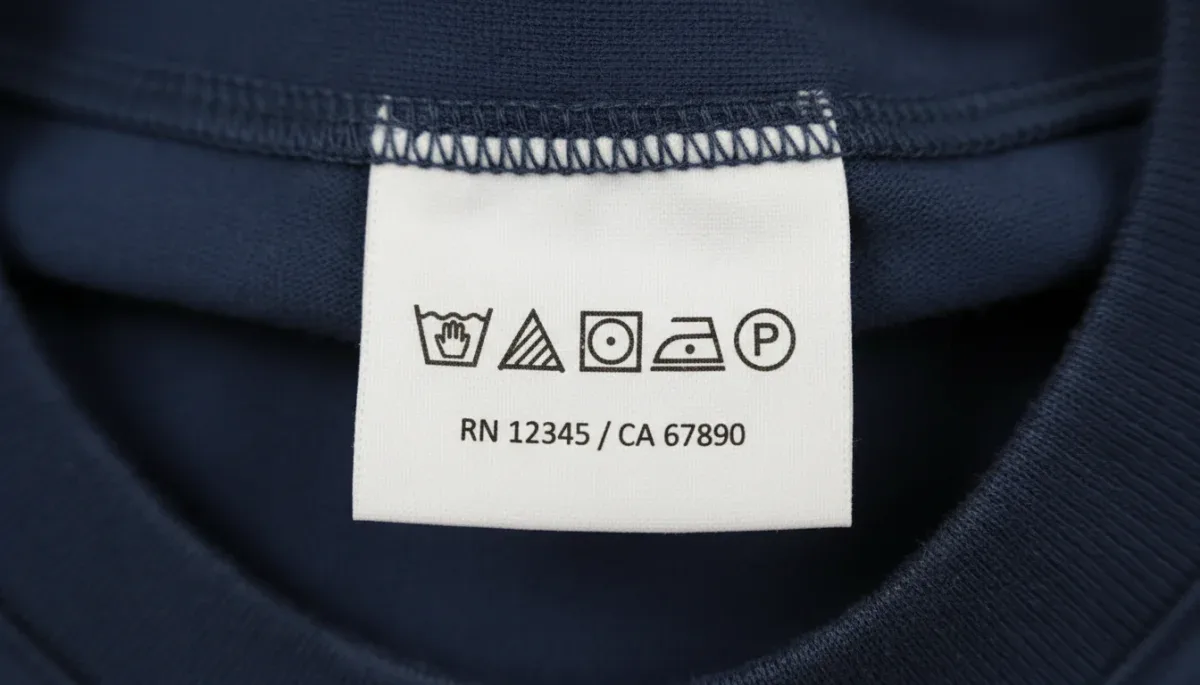
Reading clothing care symbols correctly keeps your garments from shrinking, fading, pilling, or tearing in the wash. The standardized icons sewn into seams represent five essential steps: washing, bleaching, drying, ironing, and professional cleaning.
This reference helps anyone caring for everyday apparel, delicate fabrics, or fast-fashion purchases avoid accidental laundry damage. The main trade-off is simple: following the gentlest instructions on the tag preserves garment structure and color vibrancy, but it often requires cooler water, lower dryer heat, and occasional air drying instead of running quick, high-heat machine cycles.
The five core symbols on every garment tag
In the United States, the Federal Trade Commission enforces the Care Labeling Rule, which requires manufacturers to attach permanent labels giving clear care instructions. Most apparel brands worldwide use symbols established by ASTM International or the International Organization for Standardization, known as ISO. Regardless of where you buy your clothes, the basic system consists of five distinct geometric shapes presented in a standard order from left to right.
Advertisements
Every standard tag follows the lifecycle of washing a garment. Recognizing these shapes at a glance makes it easy to decide whether an item can go into the regular laundry hamper or needs separate handling before wash day.
Advertisements
The foundational care shapes
- Wash tub: A small basin filled with water indicates home laundering instructions, water temperature limits, and recommended cycle agitation.
- Triangle: Represents bleaching rules, indicating whether you can safely use chlorine bleach, non-chlorine bleach, or no bleach at all.
- Square: Directs drying methods, showing whether an item can handle machine tumble drying or requires natural air drying on a line or flat surface.
- Iron: Outlines safe ironing temperatures and shows whether fabric steaming is permitted.
- Circle: Indicates professional textile care, including standard dry cleaning and specialized wet cleaning systems.
Modifiers applied to these shapes change their meaning. An X drawn through any symbol means you must not perform that action. Dots placed inside an icon indicate heat intensity, where more dots mean higher temperatures. Horizontal bars placed beneath an icon indicate a gentler machine cycle, meaning the fabric needs reduced agitation to prevent surface distortion.
Understanding washing tub symbols and water temperatures
The wash tub symbol tells you how to wash the item without causing shrinkage, seam slippage, or color bleeding. Water temperature plays a critical role in how fibers behave. Hot water relaxes natural fibers like cotton and linen, which can lead to progressive shrinkage, while cold water protects elastic fibers and prevents dark dyes from rinsing out.
American care tags often use small dots inside the wash tub to specify water temperature. In contrast, European and imported garments frequently print the maximum water temperature in degrees Celsius directly inside the tub basin. Knowing how to translate both formats ensures you do not expose heat-sensitive synthetics like polyester, nylon, and spandex to damaging water temperatures.
Decoding wash temperature and cycle marks
- One dot or 30°C: Cold water wash, typically around 65°F to 85°F, recommended for dark fabrics, bright colors, and delicate synthetic blends.
- Two dots or 40°C: Warm water wash, roughly 105°F, suitable for moderate soils on everyday casual wear, permanent press items, and light colors.
- Three dots or 50°C: Warm-to-hot wash, near 120°F, applied to durable fabrics that hold onto body oils.
- Four to six dots: Hot water cycles reaching 140°F up to 200°F, reserved for heavy-duty cotton linens, white socks, and durable towels.
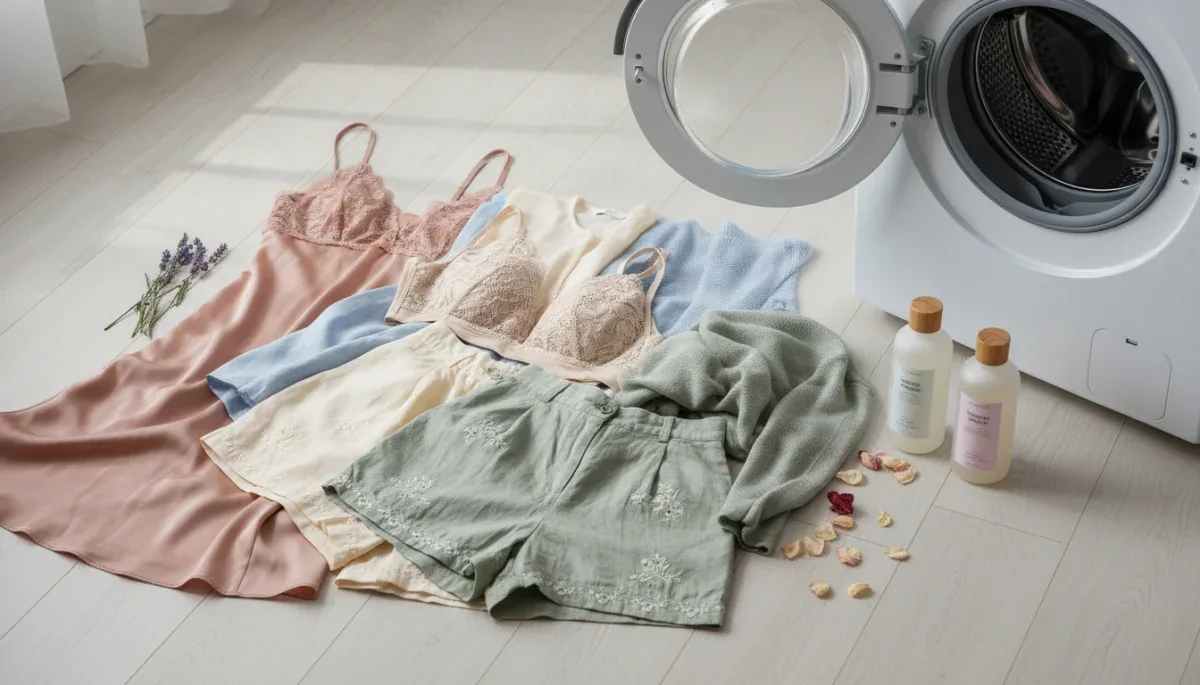
- A hand inside the tub: Hand wash only, meaning machine agitation could fray seams or unravel delicate knitwear; keep water temperature at or below 104°F.
- One bar underneath: Permanent press or synthetics cycle, which uses mild agitation and a cooling rinse before spinning.
- Two bars underneath: Gentle or delicate cycle, designed for sheer fabrics, lace, and loose knits with minimal mechanical tumbling.
When an X covers the wash tub, do not wash the piece in water. Such items often contain inner canvasing, delicate animal fibers, or glued structural components that dissolve or misshape upon water contact.
Bleaching instructions and fabric safety
Bleaching can brighten whites or remove stubborn organic stains, but using the wrong chemical formulation dissolves natural protein fibers like wool and silk and weakens synthetic polymers like spandex. The triangle icon informs you whether chemical stain removers and brighteners are safe for that specific textile dye and fiber construction.
Standard household laundry bleach contains sodium hypochlorite, a powerful oxidizer. Many modern color-safe bleaches use hydrogen peroxide instead. Garment manufacturers test whether these agents strip dyes or degrade yarn tensile strength before printing the label.
Bleach symbol variations
- Plain open triangle: Any standard bleaching agent, including chlorine and non-chlorine oxidizers, is safe to use as directed.
- Triangle with diagonal stripes: Use only non-chlorine, oxygen-based bleach; chlorine bleach will discolor or weaken the fabric.
- Solid triangle with an X: Do not bleach; avoid stain removers containing concentrated oxidizing agents.
- Open triangle with an X: An alternative international symbol meaning do not bleach under any conditions.
If you purchase budget-friendly garments containing elastane, check the bleach symbol carefully. Even indirect contact with chlorine bleach breaks down elastic cores, causing leggings, swimwear, and stretch denim to lose recovery and sag permanently.
Drying symbols: tumble drying versus natural air drying
High dryer heat is responsible for more clothing shrinkage and surface wear than any other part of the laundry process. The square symbol on your tag specifies whether the item can tolerate mechanical heat or needs ambient air drying. Tumble drying uses a circle inside a square, while air drying methods use lines inside an open square.
Knitted garments and lightweight woven tops often require natural drying to keep hems from twisting. Mechanical agitation in the dryer rubs loose surface fibers together, creating friction that leads directly to fabric pilling and seam distortion.
Reading dryer symbols
- Circle inside a square: Tumble dry allowed on standard heat settings.
- One dot in the circle: Tumble dry on low heat, standard for nylon, polyester activewear, and delicate lingerie.
- Two dots in the circle: Tumble dry on medium heat, suitable for casual shirts and cotton-synthetic blends.
- Three dots in the circle: Tumble dry on high heat, intended for durable cottons, bedding, and heavy workwear.
- Solid filled circle: Tumble dry with no heat, circulating room-temperature air to fluff items.
- One or two bars below square: Tumble dry using gentle or permanent press cycles to limit mechanical abrasion.
- Single curved line inside top: Line dry or hang dry on a clothesline or hanger in an airy space.
- Three vertical lines inside: Drip dry, meaning hang wet without wringing out water to let gravity pull out wrinkles.
- One horizontal line inside: Dry flat, essential for heavy sweaters and wool knits that stretch out of shape on hangers.
- Two diagonal lines in the corner: Dry in the shade away from direct sunlight, preventing ultraviolet fading on vibrant dyes.
- Twisted fabric with an X: Do not wring or twist the garment, as twisting snaps delicate stitching and stretches fine yarns.
When an X crosses out the circle inside the square, keep the garment out of the clothes dryer completely. Air drying these pieces extends their useful lifespan and preserves the original fit.
Ironing and steaming temperature controls
Ironing smooths out wrinkles by temporarily relaxing chemical bonds in plant and synthetic fibers using weight, moisture, and heat. However, applying an iron that is too hot directly to synthetic fabrics like acrylic, polyester, or acetate will melt the fibers, creating permanent shiny marks or burning holes through the cloth.
The iron icon uses the standard dot system to correlate directly with temperature settings found on most domestic handheld irons. Following these heat thresholds ensures crisp collars and smooth hemlines without scorching.
Interpreting iron symbols
- Iron with one dot: Low heat setting, maximum 230°F (110°C); use for synthetics like nylon, acrylic, acetate, and spandex.
- Iron with two dots: Medium heat setting, maximum 300°F (150°C); suitable for wool fabrics, silk blends, and polyester-cotton mixes.
- Iron with three dots: High heat setting, maximum 390°F (200°C); intended for durable natural plant fibers such as cotton and linen.
- Crossed-out steam under iron: Dry iron only without using steam functions, as steam droplets can leave water spots on delicate weaves.
- Iron with an X: Do not iron; avoid applying heated metal plates or handheld steam nozzles directly to the fabric.
When pressing delicate synthetics or textured fabrics, using a clean cotton press cloth between the iron soleplate and the garment prevents shine and protects the outer surface.
Professional dry cleaning and specialty care icons
The circle symbol is designated for professional dry cleaners and commercial laundry services. Dry cleaning does not mean cleaning without liquid; instead, it uses chemical solvents rather than water to dissolve soils without wetting swelling-prone fibers like structured wool, rayon, or real silk.
Letters inside the circle tell professional cleaners which solvent systems are safe for that specific garment. While consumers do not need to memorize chemical names, recognizing the basic circle warnings helps you decide whether an item requires an extra trip to the dry cleaner or can be handled at home.
Professional cleaning indicators
- Open circle: Dry clean only or dry clean recommended; safe for commercial cleaning processes.
- Circle with an X: Do not dry clean; solvents will dissolve garment glues, trim materials, or waterproof backing layers.
- Circle with the letter P: Safe for perchloroethylene and standard hydrocarbon solvent cleaning.
- Circle with the letter F: Flammable solvent cleaning only, reserved for sensitive specialty items.
- Circle with the letter W: Professional wet cleaning, a computerized water-based cleaning alternative to chemical solvents.
- Bars under the circle: Professional cleaner must use reduced moisture, lower heat, or shorter mechanical cycles.
If a label reads "Dry Clean Only," the manufacturer has determined that home washing causes measurable damage, shrinkage, or dye bleed. If the label simply states "Dry Clean," dry cleaning is the suggested method, but careful hand washing in cold water might be possible depending on fiber composition.
At a glance
| Care Step | What to Know |
|---|---|
| Wash Tub Icon | Dots indicate safe water temperature, while underline bars call for gentler spin cycles. |
| Triangle Icon | Specifies whether chlorine bleach, non-chlorine bleach, or zero bleach should touch the fabric. |
| Square Icon | A circle inside means tumble drying; straight lines specify hanging, dripping, or flat air drying. |
| Iron and Circle | The iron manages direct heat levels, while the circle directs professional dry cleaning procedures. |
Frequently asked questions
What does a circle inside a square mean on a tag?
A circle inside a square indicates that the garment is safe to tumble dry in a standard clothes dryer. Dots inside the circle define the safe heat level: one dot means low heat, two dots indicate medium heat, and three dots allow high heat settings.
Can I wash an item labeled dry clean only in water?
You should not wash dry-clean-only items in water because water can shrink natural fibers, distort structured tailoring, or dissolve internal interfacing adhesives. While some plain unlined silks might survive cold hand washing, structured blazers, pleated skirts, and lined wool coats require professional solvent cleaning.
What happens if I use bleach when the triangle has diagonal stripes?
If you use regular chlorine bleach on a garment showing diagonal stripes inside the triangle, the fabric can permanently discolor or yellow. The diagonal lines permit only oxygen-based, non-chlorine bleaches, which remove stains without breaking down sensitive chemical dyes or degrading synthetic fibers.
Why do some care symbols have horizontal bars underneath them?
Horizontal bars underneath a care symbol mean the garment requires a gentler mechanical cycle to prevent fabric damage. One bar indicates a permanent press or mild cycle with reduced spinning, while two bars indicate an ultra-gentle cycle with minimal agitation for delicate items.
The bottom line
Clothing care symbols provide a universal system to help you wash, dry, and press garments without causing shrinkage, color loss, or fabric destruction. Taking ten seconds to check the wash tub, triangle, square, iron, and circle icons prevents costly laundry mishaps and keeps budget-friendly wardrobes looking fresh. Before washing any new garment for the first time, check the inner side-seam label to confirm the recommended water temperature and drying method.

Written by
Lucas Bastos
Lucas Bastos covers electronics and gadgets for S2YOU, from audio, smart-home and phone accessories to product-testing programs for tech. He compares specs, prices and return policies across retailers, and checks every detail on the brand's official site before publishing.