
Advertisements
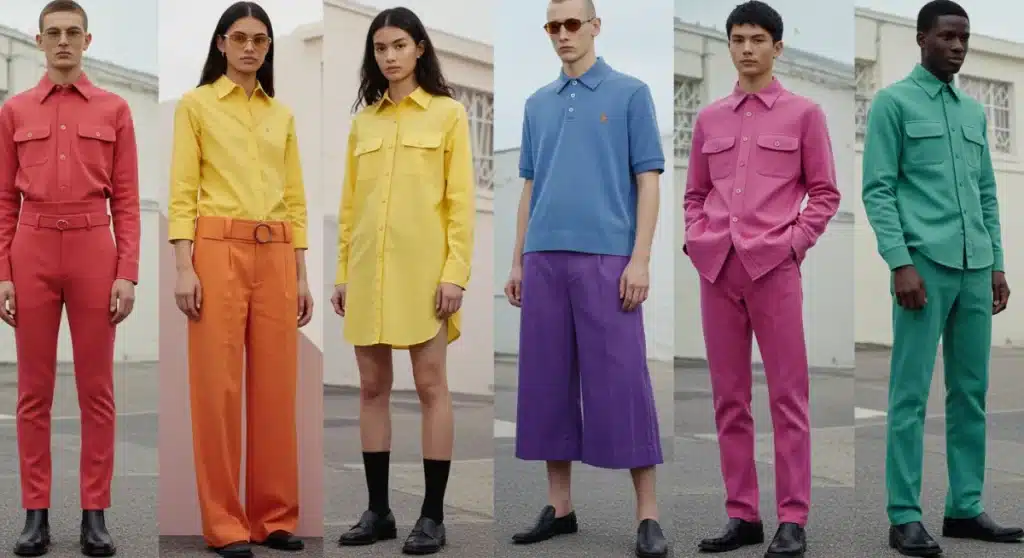
In 2026, the intersection of color psychology and personal style is transforming how we curate our wardrobes.
Moving beyond mere aesthetics, individuals are now leveraging color to intentionally influence their mood, professional presence, and social interactions, making every garment a strategic choice for well-being and self-expression.
The Evolving Landscape of Color Psychology in Clothing in 2026
As we approach 2026, the understanding of how colors impact human perception and emotion continues to deepen, moving beyond anecdotal observations to scientifically backed principles.
Advertisements
Fashion houses and consumers alike are increasingly recognizing the strategic power of hue selection in daily attire.
This shift reflects a broader societal trend towards intentional living and self-awareness, where clothing is not merely a covering but a deliberate tool for communication and self-regulation.
The choices we make about our wardrobe colors are becoming more informed and purposeful.
Advertisements
The implications for personal branding, social interactions, and even mental well-being are significant, prompting a reevaluation of traditional color norms.
Understanding color psychology clothing 2026 becomes crucial for anyone looking to optimize their sartorial choices.
Key Trends Influencing Color Choices and Mood in 2026
Emerging trends for 2026 suggest a move towards colors that promote well-being, mindfulness, and authenticity. These choices are less about fleeting fads and more about sustained emotional and psychological benefits.
Consumers are seeking clothing that not only looks good but also feels good and contributes positively to their mental state. This includes a preference for natural dyes and sustainable processes, aligning ethical considerations with psychological impact.
The confluence of sustainability, personal well-being, and digital influence is redefining how we interact with color. This holistic approach to fashion drives the discussion around color psychology clothing 2026.
The Rise of Biophilic Hues and Earth Tones
Biophilic design principles, which emphasize human connection to nature, are heavily influencing color palettes. Greens, blues, and earthy browns are gaining prominence for their calming and grounding effects.
These shades are chosen to reduce stress, improve concentration, and foster a sense of connection to the natural world, even in urban environments. The psychological benefits are tangible, promoting a balanced state of mind.
- Greens for growth and harmony.
- Blues for tranquility and stability.
- Browns for warmth and reliability.
Vibrant Accents for Energy and Creativity
While calming tones dominate, strategic pops of vibrant colors are used to inject energy and stimulate creativity. These are often incorporated as accessories or single statement pieces.
Yellows, oranges, and certain purples are being utilized to evoke optimism, enthusiasm, and innovation. They serve as psychological boosts, especially in professional or social settings where dynamism is valued.
- Yellow for optimism and clarity.
- Orange for enthusiasm and communication.
- Purple for creativity and luxury.
How Specific Colors Influence Mood and Perception in 2026
The precise influence of individual colors is being meticulously studied, moving beyond general associations to nuanced psychological responses. This allows for more targeted and effective wardrobe planning.
Different shades of the same color can evoke distinct feelings, highlighting the importance of specificity in color selection. For instance, a deep navy conveys authority, while a light sky blue suggests serenity.
Understanding these subtle differences is key to mastering color psychology clothing 2026 and leveraging it for desired outcomes. It’s about tailoring your chromatic message.
Red: Power, Passion, and Attention
Red remains a powerful color, associated with energy, passion, and urgency. In 2026, its use is becoming more intentional, often reserved for situations requiring strong presence or immediate attention.
Wearing red can boost confidence and project assertiveness, making it suitable for negotiations or public speaking. However, overuse can sometimes be perceived as aggressive, so balance is key.
A red accent, like a scarf or a handbag, can provide a controlled burst of energy without overwhelming. This strategic application is a hallmark of current trends in color psychology clothing 2026.
Blue: Calmness, Trust, and Professionalism
Blue continues to be a staple for conveying trustworthiness, stability, and calm. Its versatility makes it a popular choice across various contexts, from corporate environments to casual wear.
Lighter blues promote relaxation and open communication, while darker blues suggest authority and reliability. This makes blue an excellent choice for professional settings or situations where building rapport is essential.
The widespread acceptance and positive associations of blue contribute to its perennial relevance in discussions about color psychology clothing 2026.
Green: Harmony, Growth, and Renewal
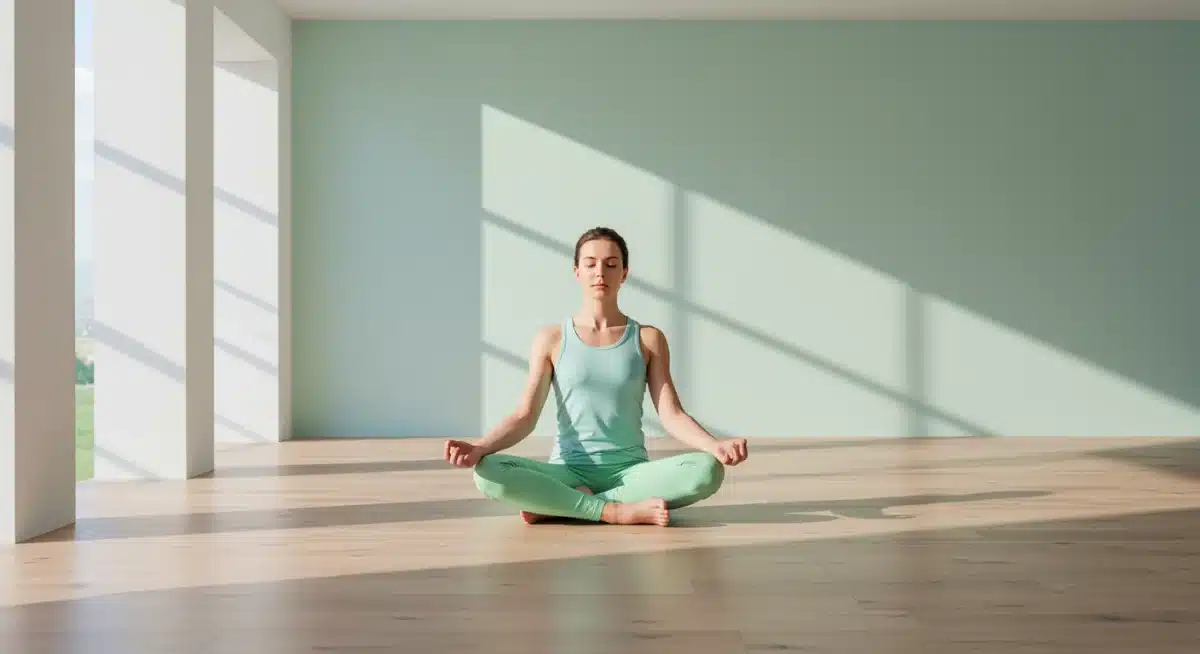
Green, deeply connected to nature, is increasingly favored for its associations with harmony, balance, and renewal. It offers a refreshing and stable presence, ideal for fostering positive interactions.
It is particularly effective in environments where creativity and collaboration are encouraged, as it can promote a sense of well-being and reduce visual fatigue. Lighter greens suggest freshness, while deeper greens convey sophistication.
The growing emphasis on environmental consciousness further amplifies the appeal of green in the context of color psychology clothing 2026, linking personal style with broader values.
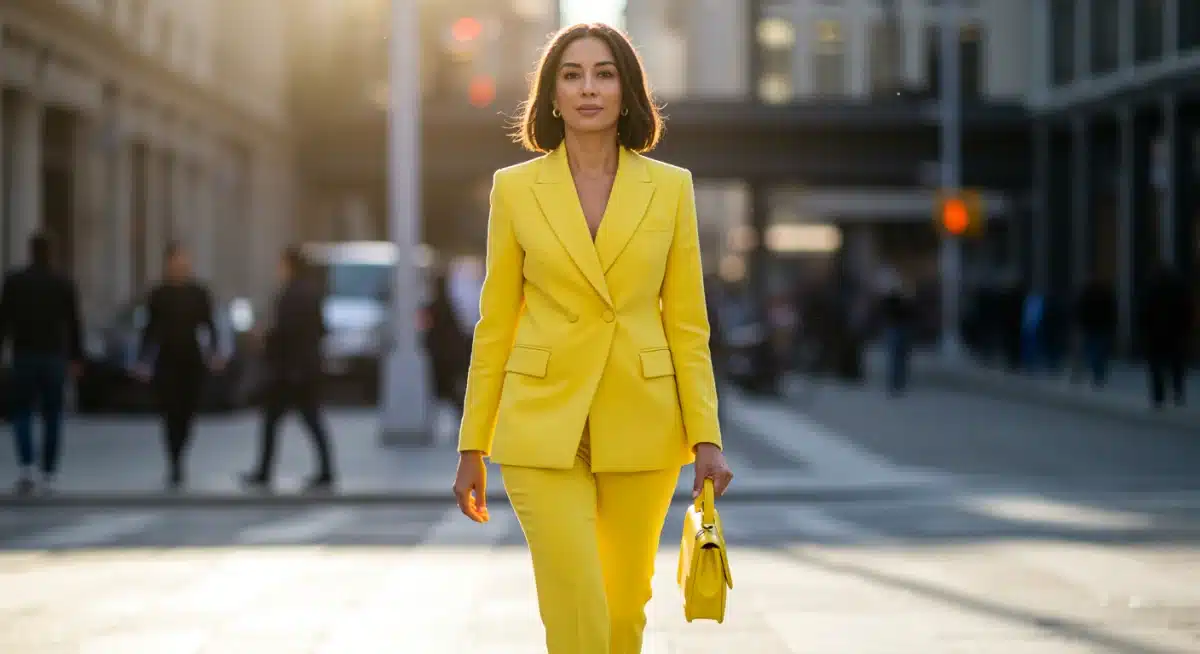
Yellow: Optimism, Joy, and Creativity
Yellow is the color of sunshine, inherently linked to optimism, happiness, and intellectual stimulation. Its presence can uplift moods and encourage cheerfulness, making it a powerful choice for social settings.
However, too much yellow can sometimes be overwhelming or signal caution, so moderation and careful shade selection are important. Bright, sunny yellows are excellent for injecting positivity.
- Light yellow for gentle warmth.
- Mustard yellow for intellectual depth.
Purple: Luxury, Creativity, and Spirituality
Purple, historically associated with royalty, continues to signify luxury, creativity, and spiritual depth. Its rich and complex nature makes it a compelling choice for expressing individuality and sophistication.
Lighter shades like lavender evoke romance and nostalgia, while deeper purples convey ambition and power. It’s a color that encourages introspection and artistic expression.
The nuanced perception of purple makes it a fascinating element in the evolving conversation around color psychology clothing 2026.
Black and White: Timeless Statements and Modern Interpretations
Black and white remain foundational colors in fashion, offering timeless elegance and versatility. Their psychological impacts are distinct yet complement each other in various stylistic approaches.
Black projects sophistication, authority, and often a degree of mystery, while white symbolizes purity, new beginnings, and clarity. Together, they create powerful contrasts and bold statements.
In 2026, these classic hues are being reinterpreted through textures, silhouettes, and layering, ensuring their continued relevance in the dynamic field of color psychology clothing 2026.
Black: Authority, Sophistication, and Mystery
Black is a color of undeniable power and elegance. It can convey seriousness, professionalism, and a sleek, modern aesthetic. It’s often chosen for formal events or when a strong, authoritative presence is desired.
While sometimes associated with mourning, in fashion, black primarily signifies sophistication and timeless style. It also has a slimming effect, which contributes to its enduring popularity.
The psychological weight of black makes it a deliberate choice for those aiming to project confidence and gravitas, a consistent factor in color psychology clothing 2026.
White: Purity, Simplicity, and Freshness
White embodies purity, innocence, and simplicity. It reflects light, giving an impression of freshness and cleanliness. It’s a popular choice for summer wear, bridal attire, and minimalist aesthetics.
Wearing white can create a sense of openness and approachability. It’s also often chosen for its ability to project a calm and uncluttered image, making it versatile for various occasions.
The direct and clear message of white ensures its place as a key player in the lexicon of color psychology clothing 2026.
The Impact of Neutrals: Gray and Beige in 2026 Fashion
Neutrals like gray and beige are far from boring; they serve as essential foundations for any wardrobe, offering balance and sophistication. Their subtle influence creates a backdrop for other colors to shine.
These colors are valued for their versatility, allowing for easy mixing and matching, and for their ability to project a sense of understated elegance. They are the workhorses of a well-curated closet.
The strategic use of neutrals is integral to achieving a cohesive and impactful look, demonstrating their quiet power in color psychology clothing 2026.
Gray: Balance, Formality, and Practicality
Gray represents balance, neutrality, and practicality. It’s a sophisticated color that can convey professionalism and stability without the starkness of black or the absolute purity of white.
Different shades of gray can evoke varied feelings; lighter grays are softer and more approachable, while darker charcoals offer a more formal and serious tone. It serves as an excellent base for brighter accents.
- Light gray for subtle elegance.
- Charcoal gray for business formality.
Beige: Warmth, Reliability, and Comfort
Beige, a warm neutral, conveys reliability, comfort, and understated elegance. It’s an approachable color that suggests stability and a natural, earthy connection, making it highly versatile.
Often seen as a less formal alternative to gray, beige can soften an outfit and provide a welcoming aesthetic. It pairs well with both vibrant and muted colors, enhancing their presence.
- Light beige for a soft, inviting look.
- Darker beige for a grounded, refined feel.
Strategic Color Combinations for Desired Outcomes in 2026
Beyond individual color choices, the art of combining colors offers another layer of psychological influence. Strategic pairings can amplify certain messages or create entirely new emotional landscapes.
Color blocking, monochromatic schemes, and analogous combinations are being employed with greater intent to craft specific visual and emotional narratives. This advanced application of color psychology clothing 2026 is gaining traction.
Understanding how colors interact is crucial for maximizing their impact on both the wearer’s mood and the perceptions of others. It’s about creating a harmonious or deliberately contrasting effect.
Monochromatic Schemes: Sophistication and Unity
Wearing different shades of a single color creates a monochromatic look that exudes sophistication, unity, and a deliberate sense of style. This approach can be incredibly impactful.
It allows for subtle variations in texture and tone to add depth without introducing visual clutter. A monochromatic outfit can make the wearer appear taller and more streamlined.
This method provides a strong, coherent message, making it a powerful tool in color psychology clothing 2026 for projecting a polished image.
Complementary Colors: Energy and Dynamism
Pairing complementary colors – those opposite each other on the color wheel – creates high contrast and visual energy. This can be used to make a bold statement and capture attention.
Examples include red and green, blue and orange, or yellow and purple. While vibrant, these combinations require careful balancing to avoid overwhelming the viewer, often with one color dominating.
Such pairings are ideal for creative fields or social events where a dynamic and memorable presence is desired, showcasing the versatility of color psychology clothing 2026.
Personalizing Color Psychology for Your 2026 Wardrobe
While general principles of color psychology are valuable, personalizing these insights is paramount. Individual experiences and cultural backgrounds can subtly alter how colors are perceived.
Experimentation and self-reflection are encouraged to discover which colors genuinely resonate with your personal mood and goals. What works for one person might have a different effect on another.
Ultimately, the most effective application of color psychology clothing 2026 involves an understanding of both universal truths and unique personal preferences. It’s about finding your authentic color voice.
Understanding Your Personal Color Palette
Identifying your personal color palette, often based on skin undertones, hair, and eye color, can significantly enhance the impact of your clothing choices. Colors that flatter your complexion can boost confidence.
This goes beyond simply choosing colors you like; it involves understanding which hues bring out your best features and make you feel most vibrant. A well-chosen color can literally make you glow.
Consulting a color analyst or experimenting with different shades in natural light can help uncover your most flattering palette, a crucial step in mastering color psychology clothing 2026 for personal benefit.
Adapting Colors to Occasion and Intent
The context in which you wear a color is as important as the color itself. Adapting your color choices to suit the occasion and your specific intent maximizes their psychological impact.
For a job interview, a professional blue or gray might be more appropriate than a vibrant red, unless you aim for a very assertive impression. For a creative event, bolder choices might be preferred.
This strategic adaptation ensures that your clothing communicates your desired message effectively, making every outfit a deliberate act of expression in color psychology clothing 2026.
Future Outlook: AI, Data, and Color Psychology in Fashion
Looking ahead, the integration of artificial intelligence and data analytics is poised to revolutionize how we approach color psychology clothing 2026. Personalized recommendations will become increasingly sophisticated.
AI-powered tools may analyze individual preferences, past choices, and even biometric data to suggest colors that optimize mood and performance. This will offer an unprecedented level of customization.
The future of fashion will likely see a deeper, data-driven understanding of chromatic influence, making color selection an even more precise and powerful tool for personal and social impact.
| Key Point | Brief Description |
|---|---|
| Mood Influence | Colors can actively shape personal mood and emotional states. |
| Perception Impact | Shades influence how others perceive confidence, authority, or approachability. |
| Strategic Selection | Intentional choice of colors for specific social or professional outcomes. |
| 2026 Trends | Emergence of biophilic hues, vibrant accents, and data-driven personalization. |
Frequently Asked Questions About Color Psychology in Clothing
Color psychology in clothing operates on the principle that specific colors evoke consistent emotional and psychological responses. These responses can impact the wearer’s mood and influence how they are perceived by others, leveraging universal associations and cultural contexts to communicate non-verbally.
For professional settings in 2026, blues and grays remain top choices for conveying trust, authority, and professionalism. Darker shades of green are also gaining traction for their association with growth and balance, while judicious use of black maintains its sophisticated edge.
Yes, clothing color can genuinely influence your mood. Wearing vibrant colors like yellow or orange can boost optimism and energy, while soft blues and greens can promote calmness and relaxation. This effect is rooted in established psychological associations and personal experiences with color.
While many color associations are universal (e.g., red for passion), cultural nuances can alter their meanings. For instance, white signifies purity in Western cultures but mourning in some Eastern traditions. Understanding your audience and context is key when applying color psychology clothing 2026 principles.
Start by identifying the mood or impression you wish to convey. Choose colors known to evoke those feelings. Experiment with primary garments and accessories, observing how different shades make you feel and how others react. Gradually build a wardrobe that strategically supports your daily intentions, applying insights from color psychology clothing 2026.
Looking Ahead: The Personalized Power of Color
The continued evolution of color psychology in clothing for 2026 emphasizes a shift towards more personalized and intentional wardrobe choices.
As insights deepen and technology advances, individuals will have unprecedented tools to harness the emotional and social power of color.
This development suggests that fashion will become an even more profound extension of self-expression and well-being.
Keeping abreast of these trends and integrating them into daily life will be key for anyone seeking to optimize their style and influence their environment.
The future promises a more nuanced and data-driven approach to dressing, where every shade chosen carries a deliberate message.
To further explore the impact of your wardrobe choices, you can discover more about the science behind these hues in The Good Trade’s guide to clothing color psychology.
Ultimately, understanding the power of your palette will allow you to curate a look that resonates deeply, both for the wearer and for the world around them.
