
Cotton vs modal: which fabric works best for everyday shirts
Advertisements
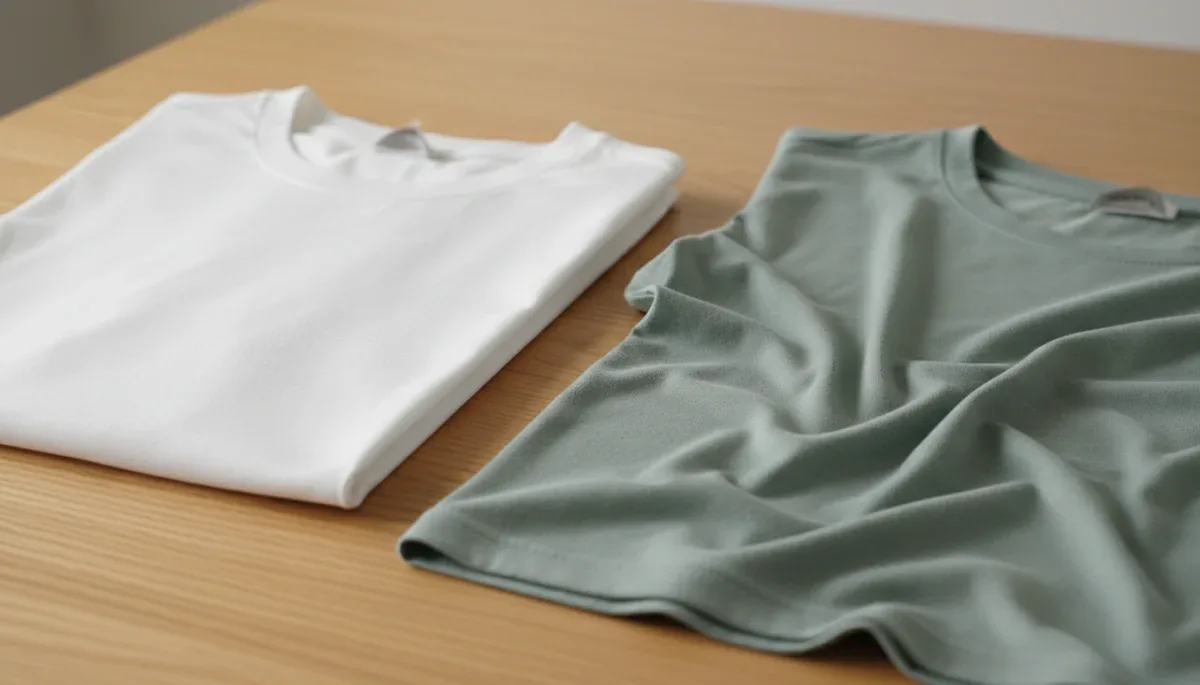
Cotton offers structured breathability and a familiar crisp texture, while modal provides a fluid drape, silky softness, and resistance to color fading. The primary difference lies in how each fiber behaves when knit into everyday jersey, affecting how shirts hang against your body, handle moisture, and hold up across dozens of laundry cycles.
This comparison helps shoppers evaluating everyday basics on budget fashion sites identify which fabric fits their wardrobe and climate, though modal generally demands more delicate laundry habits while cotton requires careful drying to avoid shrinking. Knowing the physical properties of both materials makes it easier to spot durable garments when shopping online without touching the material first.
How cotton and modal fibers are made
Cotton is a completely natural plant fiber harvested from the protective bolls surrounding the seeds of the cotton plant. Once harvested, the raw fibers are ginned to separate the lint from seeds, carded to align the fibers, and spun into yarn. In standard everyday t-shirts, you will encounter either carded open-end cotton or combed ring-spun cotton. Carded cotton uses shorter staple lengths and results in a slightly heavier, fuzzier hand-feel. Combed ring-spun cotton removes short fibers and impurities, creating a much smoother, finer yarn that feels softer against the skin and resists unraveling over time.
Advertisements
Modal is a semi-synthetic fiber classified chemically as a modified type of rayon. It is manufactured from reconstituted cellulose, which is extracted primarily from sustainably farmed beechwood trees. The wood pulp undergoes an chemical extraction and purification process before being dissolved in a solvent and forced through fine spinneret nozzles into a chemical bath. This extrusion process solidifies the liquid cellulose back into solid filament strands. Because the manufacturing process is tightly controlled, modal fibers are uniform in diameter and length, giving the resulting yarns a uniform consistency that natural cotton cannot match without intensive processing.
Advertisements
Key fiber production differences
- Raw source material: Cotton comes directly from natural agricultural seed bolls, while modal originates as processed wood pulp derived from beech trees.
- Manufacturing classification: Cotton is a purely natural staple fiber, whereas modal is a regenerated cellulosic fiber produced via chemical extrusion.
- Yarn uniformity: Modal filaments emerge from spinnerets with precise microscopic uniformity, while raw cotton fibers vary naturally in length, width, and maturity.
- Processing chemicals: Modal relies on sodium hydroxide and carbon disulfide during fiber regeneration, whereas basic cotton processing requires mechanical cleaning and optional mercerization.
Breathability, sweat, and temperature regulation
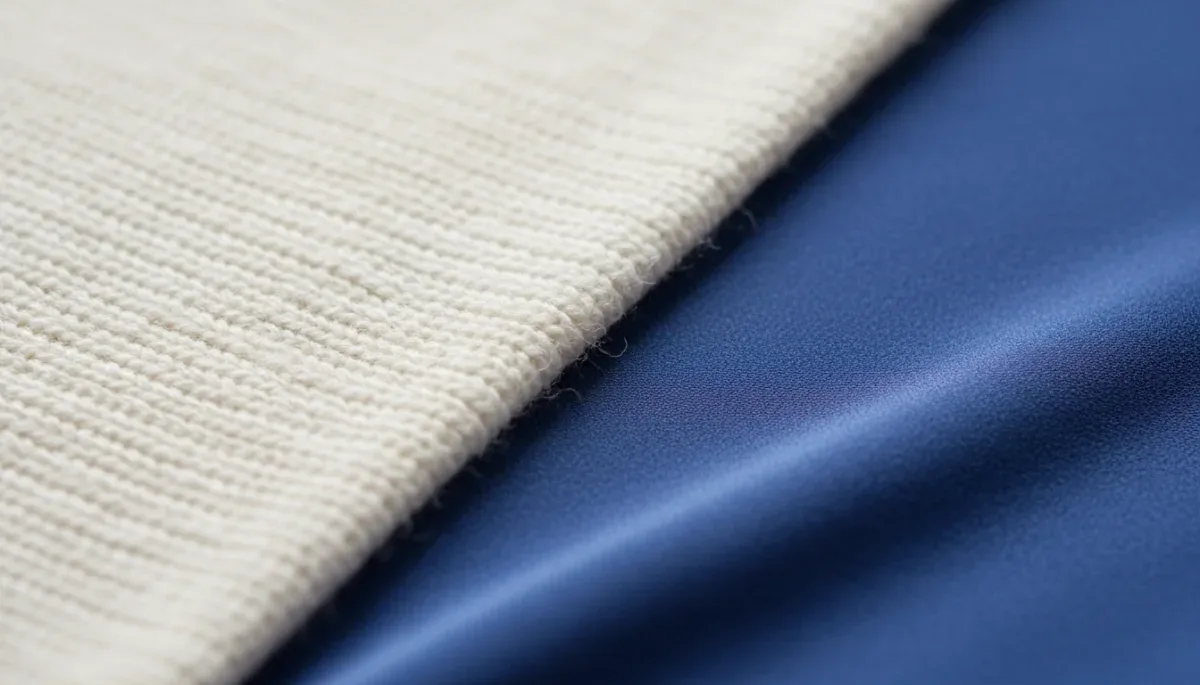
Both cotton and modal are renowned for breathability, yet they manage heat and perspiration through different physical mechanisms. Cotton possesses a hollow fiber structure called a lumen. This natural tube allows air to pass through freely between the knit loops, permitting heat to escape your torso during warm weather. In dry heat, a standard lightweight cotton t-shirt keeps you cool because ambient air circulates across your skin uninterrupted. Cotton absorbs roughly seven to eight percent of its dry weight in atmospheric moisture before feeling damp, drawing sweat off your skin effectively.
Modal absorbs approximately fifty percent more moisture per unit volume than cotton. Because the regenerated cellulose filaments are micro-porous, modal acts like a thirsty wick that pulls liquid perspiration away from the skin instantly. However, modal holds onto this moisture tightly inside its fiber core. In extremely humid conditions, a pure modal shirt can become saturated with perspiration and take longer to dry than a light open-weave cotton top. When wet, modal drapes heavily against the skin rather than standing off, which can create a clingy sensation if you are working outdoors in dense humidity.
Performance in hot and humid weather
- Air circulation: Open-knit cotton allows superior passive air currents to reach your body compared to dense modal jerseys.
- Moisture capacity: Modal pulls liquid sweat away from the body faster and holds significantly more moisture before feeling completely soaked.
- Drying time: Lightweight cotton generally dries faster in open air than saturated modal shirts due to cotton larger pore spacing.
- Skin contact: Saturated cotton retains some physical stiffness that prevents total fabric adhesion, while wet modal tends to cling closely to contours.
Softness, drape, and everyday fit
The tactile experience of wearing these two fabrics creates very different shirt silhouettes. Standard cotton tees possess a degree of structural integrity and body. A midweight cotton shirt hangs away from the torso, creating clean lines that disguise undergarments, waistbands, and posture changes. For buyers who prefer a boxy, casual, or vintage aesthetic, standard cotton provides the necessary substance. While combed ring-spun cotton feels soft immediately, standard carded cotton often starts with a dry, slightly stiff hand that requires several laundry cycles to break in and soften.
Modal feels noticeably cool, silky, and slippery right out of the package. The fiber surfaces are smooth and circular, meaning they produce minimal friction when sliding against skin or neighboring layers of clothing. Modal has an exceptionally low bending modulus, which gives the fabric a fluid, liquid drape. When cut into an everyday shirt, modal falls against every curve of your upper body rather than holding an independent shape. This makes modal an exceptional choice for fitted undershirts, elegant women tops, and layering pieces that need to sit invisible under sweaters, blazers, or overshirts without bunching up.
Silhouette and layering qualities
- Independent structure: Cotton holds its own architectural shape, creating boxy and relaxed streetwear fits that sit away from the torso.
- Body contouring: Modal flows over physical contours fluidly, making it ideal for slimming base layers and tailored undershirts.
- Layering friction: Modal smooth surface slides under outerwear smoothly without generating static electricity or catching on rougher jacket linings.
- Collar stability: Crew necks and ribbed collars on cotton shirts stay flat and upright longer than the softer, more pliable collars found on pure modal shirts.
Durability, shrinking, and washing requirements
Everyday shirts endure constant washing, drying, and friction, making maintenance a major consideration. Cotton displays a rare physical quirk: it is roughly twenty percent stronger when wet than when dry. This allows standard cotton shirts to handle vigorous machine agitation, warm water cycles, and standard detergent powders without fiber breakdown. The primary vulnerability of cotton is shrinkage. When cotton yarns are spun and knit, the fibers are held under industrial mechanical tension. Exposure to hot water and tumbling dryer heat releases that tension, causing the fibers to curl and shorten. An un-preshrunk cotton shirt can easily lose a full size if dried on high heat.
Modal exhibits high wet modulus characteristics, meaning it holds its dimensions better than regular viscose rayon when wet. However, modal fibers can weaken slightly under wet agitation compared to dry conditions. If washed with abrasive items like heavy denim or exposed zippers, pure modal can develop surface fuzzing, known as pilling, over repeated cycles. On the positive side, modal is remarkably colorfast. Dye molecules bond permanently inside the regenerated cellulose matrix during production, preventing the fading, graying, and chalky wash wear commonly seen on black or dark navy cotton shirts after a dozen cycles. Modal also resists mechanical shrinkage in the wash, retaining its original length reliably.
Laundering guidelines for longer wear
- Water temperature: Wash modal shirts in cold water on a gentle cycle, while reserving warm or normal wash cycles for standard white and durable cottons.
- Drying technique: Tumble dry cotton on low to medium heat to mitigate shrinkage, but lay modal flat or tumble dry on ultra-low heat to avoid fiber stress.
- Abrasive contact: Separate modal shirts from garments featuring heavy metal zippers, hook-and-loop fasteners, or coarse denim pockets to prevent snagging.
- Detergent selection: Use mild liquid detergents for both fabrics, avoiding bleach and harsh enzymatic cleansers on modal to preserve the delicate fiber exterior.
Cost factors and common fabric blends
Price differences between cotton and modal stem directly from their manufacturing paths. Conventional cotton is produced globally at immense industrial scale, making it one of the most cost-effective clothing fibers available. You can routinely find multi-packs of plain cotton shirts for budget-friendly prices. Premium cotton variants, such as Pima or Egyptian long-staple cotton, command higher prices due to limited farming regions and smoother yarn quality, but standard upland cotton remains an accessible staple for budget clothing lines.
Modal requires specialized chemical production facilities and pure wood pulp inputs, which raises baseline raw material expenses. As a result, pure modal shirts generally carry a higher price tag than basic cotton garments. To bridge this price and performance gap, garment manufacturers frequently produce cotton-modal blended shirts, typically in ratios like sixty percent cotton and forty percent modal. Blending these two fibers combines the structural integrity and lower production cost of cotton with the silky hand-feel, drape, and colorfastness of modal, producing an everyday shirt that holds up well in home laundry while feeling noticeably softer than plain cotton.
Advantages of cotton-modal blends
- Balanced structure: Blends prevent the clingy, overly revealing drape of pure modal while eliminating the initial stiffness of standard cotton.
- Enhanced durability: The presence of cotton fibers reinforces the wet tensile strength of the garment, decreasing the risk of wash-cycle snags.
- Reduced shrinkage: Modal stability helps curb the natural tendency of cotton fibers to contract when exposed to dryer heat.
- Cost efficiency: Incorporating cotton allows manufacturers to offer the luxurious feel of modal at an accessible price point for everyday basics.
How to choose the right fabric for your wardrobe
Deciding between cotton, modal, or a blend depends on your daily routine, wardrobe styling preferences, and laundry patience. If you need a utility shirt for physical chores, yard work, or outdoor summer heat where you want airflow and easy maintenance, standard cotton is the most dependable choice. It tolerates hot water washing, holds up against abrasive friction, and provides a neutral, classic profile that matches rugged canvas jackets, jeans, and casual shorts effortlessly.
Modal is the better selection if you prioritize luxurious skin contact, professional undershirt utility, or elevated casual wear. For people working in air-conditioned offices, modal shirts offer a refined sheen and smooth drape that look sharp under an unbuttoned casual shirt or tailored jacket. Modal is also ideal if you wear deep saturated tones like jet black, forest green, or burgundy, as the fabric maintains its rich color long after cotton alternatives have faded. Assess your willingness to follow gentle wash cycles before filling your closet with modal tops.
At a glance
| Factor | What to know |
|---|---|
| Hand feel | Cotton feels crisp and structured, while modal feels silky and fluid. |
| Sweat handling | Cotton breathes through open pores, while modal wicks and absorbs more liquid. |
| Color retention | Modal holds deep dye without fading, whereas cotton fades gradually over wash cycles. |
| Shrinkage risk | Cotton shrinks noticeably under high dryer heat, while modal retains its dimensions. |
Frequently asked questions
Does modal shrink more than cotton?
No, cotton shrinks significantly more than modal when exposed to laundry heat. Cotton fibers release mechanical tension and contract in hot water or high dryer settings. Modal is chemically stabilized during extrusion, meaning it holds its original garment dimensions and length far better through repeated laundering.
Can modal replace cotton as an undershirt?
Yes, modal makes an exceptional undershirt fabric due to its thin, slippery drape and high absorption. It sits flat against your skin without bunching under dress shirts, creates minimal friction with outer fabrics, and absorbs body sweat quickly to protect formal clothing from perspiration marks.
Is modal cooler to wear than cotton?
Modal feels noticeably cooler against the skin at first touch due to its smooth surface and high thermal conductivity. However, in hot and stagnant humidity, lightweight cotton allows better airflow, whereas modal can hold heavy moisture and cling uncomfortably if completely soaked with sweat.
Which fabric lasts longer with frequent washing?
Cotton typically lasts longer under aggressive laundry habits because it strengthens when wet and resists surface pilling from coarse items. Modal lasts very well if washed on gentle cycles in cold water, but rough washing and high heat can cause surface fuzzing over time.
The bottom line
Cotton remains the gold standard for durable, structured, and easy-care shirts that handle hard wear, while modal excels when you want silky softness, elegant drape, and long-lasting dark colors. For the best balance of longevity and comfort, consider a cotton-modal blend for your daily wardrobe rotation. Before buying, check the garment care tag to ensure you are comfortable using cold water and low-heat drying if the shirt contains a high percentage of modal.

Written by
Lucas Bastos
Lucas Bastos covers electronics and gadgets for S2YOU, from audio, smart-home and phone accessories to product-testing programs for tech. He compares specs, prices and return policies across retailers, and checks every detail on the brand's official site before publishing.