
Electronics Warranty vs Return Window: Key Differences
Advertisements
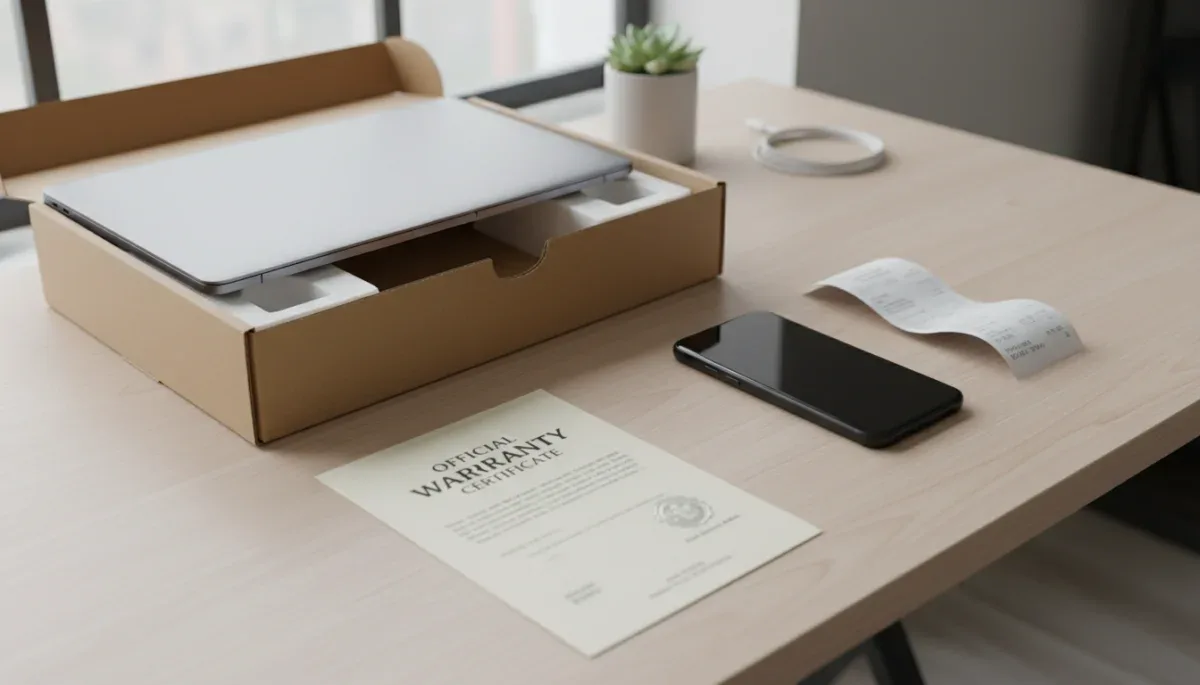
Store return windows give you a temporary chance to send back a gadget for a full refund or exchange through the retailer, while manufacturer warranties protect you against hardware defects over a longer term through repair or replacement by the brand that made it. Knowing which policy applies helps you resolve defective gear without losing money or paying unnecessary shipping costs, though navigating both requires keeping your receipts and watching strict calendar deadlines.
Many consumers mistake the retailer for the long-term guarantor of their purchases, only to discover customer service refusing assistance just weeks after checkout. Understanding how these two layers of consumer protection operate independently ensures you never miss a critical return deadline or forfeit your warranty coverage.
What a store return window actually provides
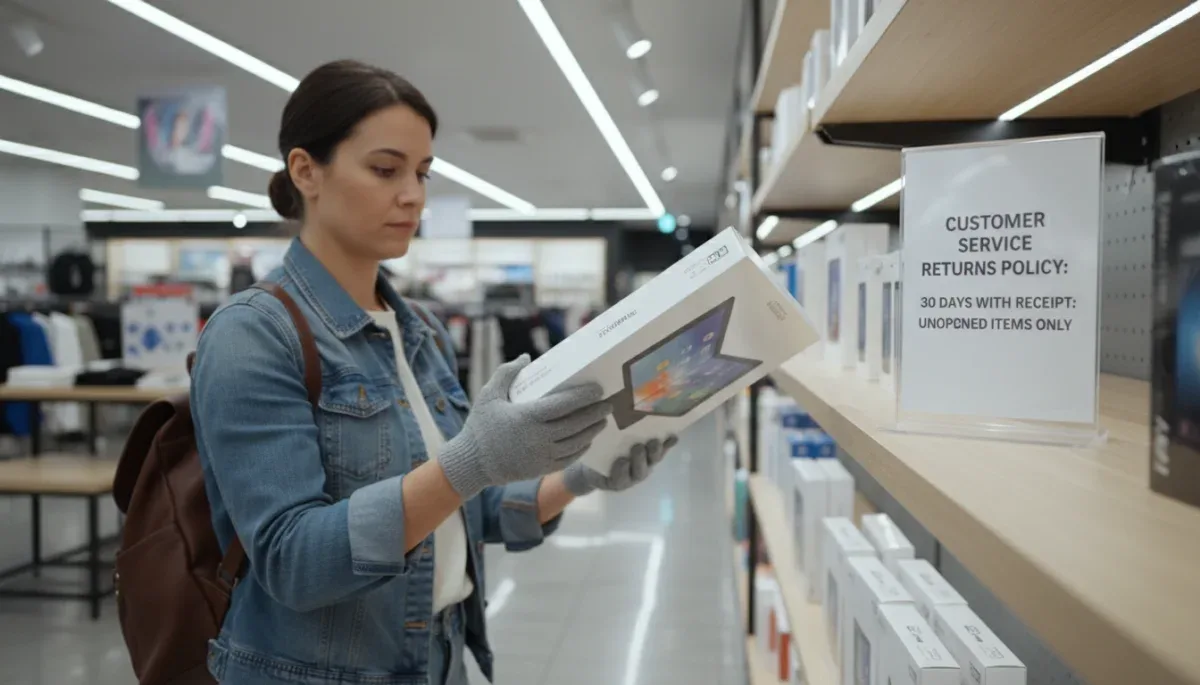
A store return window is an agreement between you and the retailer where you made your purchase, granting you the right to bring an item back for a refund, store credit, or direct replacement. Major United States retailers set their own return timelines for electronics, which are almost universally shorter than the windows granted for general merchandise like clothing or kitchenware. For instance, while standard goods might carry ninety-day return allowances, consumer technology items frequently carry windows as brief as fourteen to thirty days. Retailers enforce these condensed schedules because electronics depreciate rapidly and require specialized testing before they can be restocked or returned to distributors.
Advertisements
During this open window, you do not need to prove that a product suffered from an inherent manufacturing flaw. If you simply dislike the user interface of a tablet, find that a set of wireless headphones does not fit your ears comfortably, or decide that an external monitor is too large for your desk, the retailer will accept the return under their stated terms. This flexibility makes the return period ideal for testing basic ergonomics, software compatibility, and hardware performance under regular operating conditions. However, stores usually mandate that you return the merchandise in like-new condition, complete with original packaging, charging cables, user manuals, and promotional inserts.
Advertisements
Failing to supply all original packaging materials can result in the store refusing your return entirely or deducting an open-box fee from your original payment method. Most national chains track customer returns through electronic identification systems to curb potential fraud, meaning that excessive returns within a calendar quarter can prompt automated restrictions. The primary advantage of returning an item to the store remains immediate resolution: you hand over the item and receive your money back or leave with an identical product on the spot.
How a manufacturer warranty functions over time
A manufacturer warranty is an express legal guarantee provided by the company that engineered and produced the device, assuring you that the hardware will remain free from defects in materials and workmanship for a defined duration. In the United States, standard consumer technology typically includes a limited warranty spanning one calendar year from the date of initial retail purchase, although some budget accessories carry shorter ninety-day coverages and premium hardware occasionally includes two-year protections. Unlike retailer policies, a manufacturer warranty never covers buyer remorse, aesthetic dissatisfaction, or accidental physical damage caused by drops, spills, or rough handling.
When you file a claim under a factory warranty, the brand retains the unilateral authority to decide whether to repair your defective unit, replace it with a factory-refurbished equivalent, or, in rare instances, issue a cash refund equivalent to its depreciated value. If an internal power supply fails, a camera sensor stops focusing, or a motherboard fails to boot under normal operating conditions, the manufacturer is contractually obligated to remedy the issue. However, you must first establish that you purchased the device from an authorized reseller, as grey-market items, third-party marketplace auctions, and unauthorized discount outlets frequently invalidate factory protections entirely.
The warranty process also demands patience from the consumer. You must generally contact customer support, complete remote troubleshooting diagnostics, secure a Return Merchandise Authorization (RMA) tracking code, and physically mail the device to an authorized repair depot. In many cases, the consumer pays the initial outbound shipping and insurance costs, while the manufacturer handles standard ground return shipping. The total turnaround time can easily stretch from two to six weeks, leaving you temporarily without the device while technicians evaluate and service the internal components.
Key factors that divide store returns from warranties
Distinguishing between these two relief avenues requires evaluating four primary operational elements: who handles the request, what issues qualify, what resolution you receive, and how much time you have to act. Retailers prioritize inventory turnover and customer goodwill during the earliest days of ownership, whereas manufacturers operate under strict contractual frameworks designed to manage liability across mass-produced units. Conflating the two frequently leads buyers to miss short store deadlines while attempting prolonged technical troubleshooting with remote phone agents.
Critical differences to evaluate before filing a claim
- Accountable party: The store where you purchased the item manages the return window, whereas the brand engineering department manages the warranty claim.
- Allowable reasons: Store returns accommodate personal preference, buyer remorse, and early defects; warranties exclusively cover mechanical breakdowns and manufacturing flaws.
- Resolution outcome: Retailers primarily issue full cash refunds or immediate shelf exchanges; manufacturers deliver repairs or certified refurbished replacements.
- Time limitations: Retail windows usually expire between fourteen and thirty days post-purchase, while manufacturer warranties typically extend for twelve months.
Recognizing who bears responsibility during each phase of ownership helps you choose the fastest path to resolution. If a television arrives with a cracked screen right out of the box, returning it to the local store counter resolves the nightmare in thirty minutes. If you wait until day thirty-one to contact the television brand directly, you will almost certainly face a denied claim, as manufacturers classify cracked display glass as accidental damage unless proven otherwise upon delivery.
Common traps: restocking fees, open boxes, and exclusions
Navigating electronics purchases requires close scrutiny of the fine print, as retailers and manufacturers insert specific conditions that can void your protections or cost you significant money. One of the most common friction points during store returns involves restocking fees on opened high-value electronics. National retailers regularly levy a restocking fee ranging between ten and fifteen percent on opened items such as digital cameras, drones, projectors, and specialty computing hardware. These fees compensate the merchant for the instant depreciation that occurs once a consumer breaks the factory plastic seal, meaning an impulse purchase can carry a costly penalty even when returned within twenty-four hours.
Factory warranties feature an even broader array of restrictive exclusions. Manufacturers systematically exclude consumable parts from long-term coverage, meaning rechargeable lithium-ion batteries that naturally lose storage capacity through standard charge cycles will not qualify for free replacement past initial delivery. Cosmetic wear, including scratched outer casings, worn finishes, and minor dents, falls outside standard warranty coverage unless it directly impacts the core mechanical function of the unit. Furthermore, opening the chassis yourself, breaking tamper-evident internal seals, or hiring an unauthorized third-party technician to conduct repairs can permanently void your manufacturer warranty under published brand guidelines.
Software conflicts represent another significant point of friction. Neither store return counters nor factory warranty depots cover issues arising from third-party operating systems, sideloaded applications, software modifications, or computer viruses. If an operating system update corrupts your operating boot sequence, a manufacturer will typically guide you through an operating system factory reset rather than approving a hardware replacement. Ensuring you preserve factory software states and maintain physical records prevents premature claims rejections from technical inspection teams.
Steps to take when your new device malfunctions
Taking immediate, structured action the moment an electronic device malfunctions prevents you from running out the clock on your most generous consumer rights. Your first step should always be checking the date printed on your physical receipt or electronic order confirmation against the published store policy. If you fall comfortably within the store return window, pack the device into its retail box alongside all accessories, navigate to the retail counter or online returns portal, and request a clean exchange or complete refund rather than agreeing to extended troubleshooting.
Recommended procedure for managing defective equipment
- Review purchase date: Confirm immediately whether you remain inside the retailer fourteen-to-thirty-day return period.
- Inspect packaging: Gather all internal packing materials, inserts, power supplies, and documentation to avoid incomplete-return penalties.
- Document the issue: Record brief video or photographic proof demonstrating the specific hardware failure under normal operation.
- Contact the merchant: Process a return or direct exchange at the point of purchase before engaging with manufacturer support.
- Initiate warranty claim: If the store window has expired, register the device on the manufacturer website using your original proof of purchase.
When the store return window has officially closed, you must transition your focus entirely to the manufacturer. Locate the serial number on the device casing or digital settings menu, register the product on the official manufacturer portal, and upload a digital copy of your receipt. Clear documentation establishes your official claim date, ensuring that even if customer service takes days to respond, your reported breakdown remains officially logged within the active warranty duration.
At a glance
| Factor | What to know |
|---|---|
| Primary contact | Contact the selling retailer for returns and the equipment manufacturer for warranty claims. |
| Qualifying issues | Returns accept preference changes and defects; warranties cover only built-in manufacturing flaws. |
| Remedy provided | Returns yield original payment refunds; warranties provide component repairs or refurbished hardware. |
| Typical lifespan | Return periods run fourteen to thirty days; manufacturer warranties usually last twelve full months. |
Frequently asked questions
Can I return an opened electronic item to the store?
Yes, most retailers permit returns on opened electronics within their standard return windows, provided you return every original accessory, cable, and packaging component. However, opened items like cameras or laptops may incur a ten to fifteen percent restocking fee depending on specific store policy rules.
Does a manufacturer warranty cover accidental water or drop damage?
No, standard factory warranties cover only component defects and assembly faults that occur during normal, specified use. Dropping a device onto concrete or spilling liquid into its circuitry constitutes accidental external damage, which requires dedicated protection plans or credit card insurance to repair.
What happens if a gadget breaks right after the return window ends?
You must file a warranty claim directly with the product manufacturer once the retailer return window expires. You will need your original purchase receipt, the device serial number, and an RMA approval before mailing the unit to an authorized brand repair facility.
Do refurbished replacements extend the original manufacturer warranty?
No, receiving a warranty replacement unit rarely resets your coverage clock back to day one. In most instances, the replacement device inherits whatever time remained on your original one-year warranty, or receives a ninety-day temporary coverage window, whichever duration provides longer remaining protection.
The bottom line
Store return windows provide fast, definitive relief through cash refunds and direct swaps, making them your best option during the first weeks of owning an electronic device. In contrast, manufacturer warranties serve as an essential safety net for hardware breakdowns across your first year, though they involve repair wait times, strict proof-of-purchase rules, and refurbished replacements. Before you discard product boxes or attempt technical repairs yourself, always verify the exact return cutoff date printed on your retail receipt.

Written by
Mariana Viana
Mariana Viana covers discounts and savings for S2YOU, from coupons and cashback to free-trial and sample programs. She compares offers and program rules across retailers, and checks every detail on the brand's official site before publishing.