
How to check garment lining quality before ordering
Advertisements
You can evaluate garment lining quality before placing an online order by checking the listed fiber content, examining zoom photos for construction ease, and searching customer reviews for mentions of static or bunching. A dependable lining improves how a garment hangs on your body, prevents outer fabrics from itching against bare skin, and protects delicate outer seams from friction.
This approach helps shoppers buying affordable apparel, tailored workwear, and seasonal outerwear spot flimsy construction before parting with their money. The main catch is that online retailers rarely photograph inner seams under high magnification, meaning you must piece together clues from the product description and customer feedback before you check out.
Understand fabric composition listed in product details
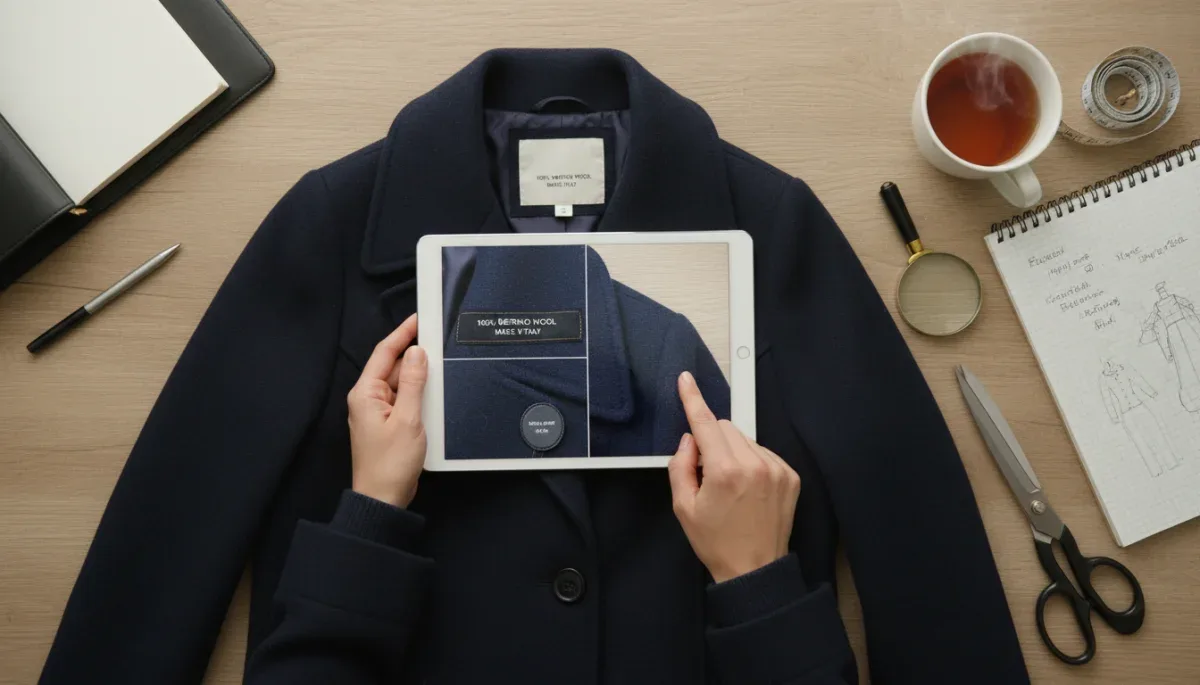
The product description on reputable retail sites usually provides an itemized breakdown of outer materials and inner layers. Inspecting this text is your first line of defense when determining garment lining quality. Look specifically for a separate line labeled lining, interior, or contrast fabric rather than assuming the entire piece uses the primary textile.
Advertisements
Synthetic textiles like polyester and acetate appear frequently in budget-friendly fashion. Polyester lining offers high durability and resists tears, making it suitable for structured items like blazers and winter coats, though it traps body heat and does not breathe well in warm weather. Acetate and cupro feel cool and drape softly, but low-density acetate can tear easily at stress points if cut too tight.
Advertisements
Natural and semi-synthetic fibers provide superior comfort when properly constructed. Cotton batiste or lawn linings work well in summer dresses because they absorb moisture and keep you cool. Rayon, modal, and viscose provide a silk-like glide against the skin, which prevents trousers and skirts from clinging to tights or legs during daily movement.
Key lining fibers to identify
- Viscose or rayon: Breathable, soft to the touch, and reduces static cling under lightweight dresses and skirts.
- Polyester: Inexpensive and tear-resistant, but prone to heat retention and static buildup in dry air.
- Cupro or Bemberg: Premium regenerated cellulose fibers known for high breathability and friction-free movement.
- Cotton voile: Crisp, hypoallergenic, and ideal for summer apparel that requires direct airflow.
Examine construction photos for hem attachment and drape
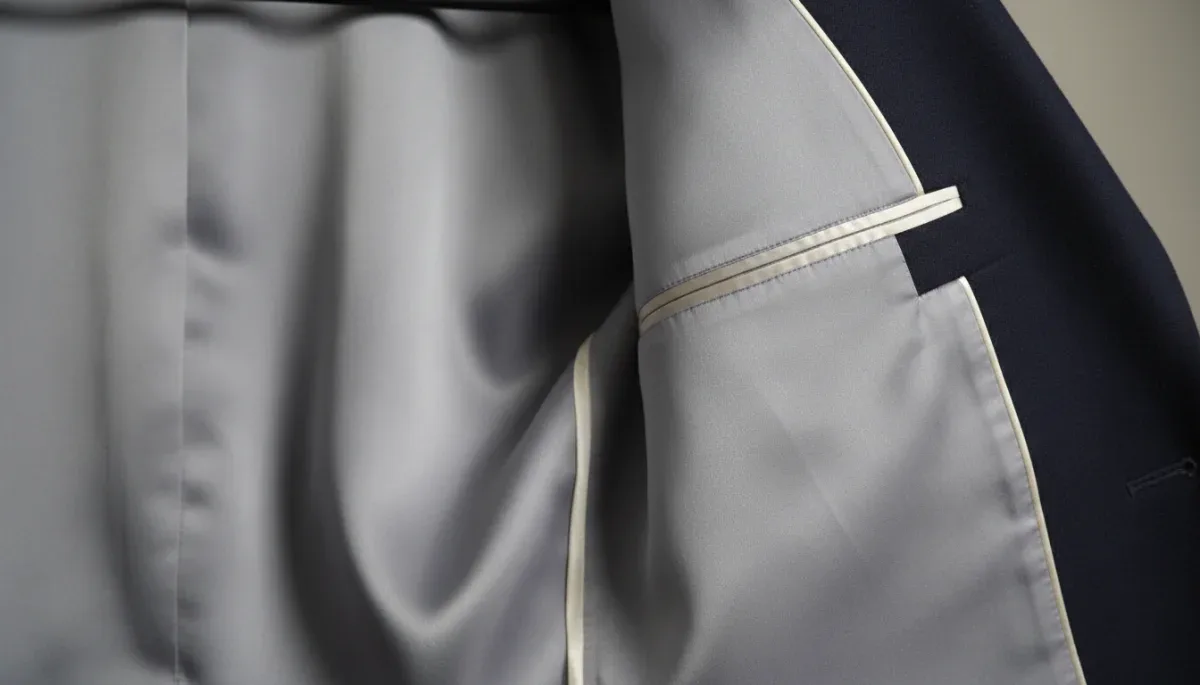
Photographs provided by the merchant can reveal how the manufacturer assembled the inner layer. When browsing product galleries, look for images that show the inside of jackets, the underside of skirts, or unbuttoned front plackets. High-resolution zoom tools help you spot whether a garment includes full lining, partial lining, or no lining at all.
In skirts and wide-leg trousers, quality linings hang free from the outer shell at the bottom hem, secured only at the waist or pocket bags. This construction method, known as a free-hanging or floating lining, allows both layers to move naturally without pulling against one another. If a lining is machine-stitched directly to the outer hem of a lightweight skirt, differential shrinkage between the two fabrics will cause puckering after washing.
For blazers and tailored coats, examine the center back seam. Well-made jackets feature an ease pleat, also called an expansion pleat, which is a neat vertical fold of extra lining fabric running down the center back or bottom hem. This deliberate excess of fabric gives you room to stretch your arms forward without ripping the interior seam.
Visual indicators of reliable assembly
- Center back pleat: An intentional fold of excess fabric that prevents seam blowout when reaching forward.
- French tacks: Small thread chains connecting a floating skirt lining to the main fabric at the hem.
- Covered interior seams: Clean edges finished with bias tape or overlock stitching rather than frayed raw margins.
- Hem clearance: An interior lining cut slightly shorter than the outer shell so it remains invisible while standing.
Analyze customer reviews and unfiltered photo uploads
Review sections offer concrete evidence of how the garment looks and performs in real life. While studio lighting and styling clips make every interior look polished, everyday buyers photograph clothing right out of the shipping package. These candid snapshots expose thin fabrics, poorly attached linings, and static cling that studio photos hide.
Use the search filter inside the customer reviews to look for specific keywords such as lining, inside, static, see-through, or slip. If multiple reviews report that an interior layer crawls up the thighs or creates excessive friction against underwear, the factory likely used an unyielding or cheap synthetic lining fabric that lacks proper drape.
Pay special attention to comments describing how the garment fits around the shoulders and hips. A lining that is cut smaller than the outer shell will pull the exterior fabric inward, causing visible puckering along the outside seams. When buyers mention that an item feels tight despite matching the size chart, an undersized lining is often the hidden culprit.
Check opacity and weight balance between layers
A primary function of any garment lining is ensuring modesty and maintaining the structural integrity of the outer fabric. Light-colored garments, especially white, cream, or pastel summer pieces, depend heavily on lining opacity. If you can see the outline of pocket bags or interior seam allowances in product images, the lining fabric is too thin to provide adequate coverage.
Weight balance between layers is equally critical for proper garment behavior. The lining must always be lighter than or equal to the weight of the shell fabric. When a heavy, rigid lining sits inside a lightweight chiffon or silk outer layer, the interior pulls downward and distorts the silhouette. Conversely, an outer coat of heavy wool paired with a paper-thin lining will quickly wear through at the elbows.
You can also check for partial lining versus full lining in product descriptions. Summer blazers frequently feature half-linings or butterfly linings across the upper back and chest. This intentional design reduces heat retention while maintaining clean shoulder lines, making it a desirable quality trait rather than a cost-cutting shortcut for warm-weather tailoring.
Inspect pocket construction and hardware reinforcement
The interior structure of an item does more than simply smooth out the fit; it supports pockets, zippers, and buttons. When a manufacturer invests in garment lining quality, they anchor pocket bags securely to structural seams rather than letting them float unsupported against light shell material.
Look at interior jacket photos to determine how the pocket bags are constructed. Sturdy pockets should feature lining fabric reinforced with a facing strip of the main exterior shell along the opening edge. This keeps the pocket opening neat and prevents bright lining material from showing when the pocket gapes open slightly during wear.
Zippers and fasteners also require proper interior backing. High-grade garments include an inner flap or woven interfacing between the zipper teeth and the lining to keep the lining fabric from catching in the zipper teeth during closure. If pictures show lining fabric running flush against rough metallic zippers, snagging and tearing become ongoing risks once you start wearing the piece.
At a glance
| Factor | What to know |
|---|---|
| Fiber type | Viscose and cotton breathe well; polyester is durable but prone to static. |
| Hem finish | Floating linings prevent hem puckering on skirts and lightweight pants. |
| Expansion pleats | Back pleats in jacket linings allow arm movement without seam tears. |
| Opacity check | Visible internal pockets in photos signal a lining that is too sheer. |
Frequently asked questions
What should I do if a product page does not list the lining material?
Assume the lining is standard, unbreathable polyester unless customer reviews clarify otherwise. You can also contact customer support with the item number to request the exact fabric breakdown before submitting your payment.
Why does my garment lining ride up when I walk?
Linings ride up due to static electricity, poor fabric friction, or being cut too narrow for your hips. Choosing smooth viscose or wearing a lightweight anti-static half-slip beneath the item helps minimize this issue.
Is a fully lined jacket always better than an unlined one?
Not always, as unlined and half-lined jackets provide better ventilation in warm weather. However, unlined garments must feature clean interior edge finishes, such as bound or taped seams, to prevent fraying over time.
Can a tailor fix a tight garment lining after it arrives?
A tailor can sometimes let out an ease pleat or replace the entire lining, but replacement often costs more than the original piece. Checking the dimensions and customer sizing feedback beforehand remains the safest route.
The bottom line
Evaluating garment lining quality before buying clothes online protects your budget from stiff, itchy, or ill-fitting deliveries. By verifying the exact fiber composition, searching customer reviews for mentions of static or puckering, and checking product photos for floating hems and back pleats, you can identify well-crafted pieces accurately. Before placing an order, confirm the retailer's return policy and review fee details on the official site so you know your options if the interior finish does not meet your expectations.

Written by
Lucas Bastos
Lucas Bastos covers electronics and gadgets for S2YOU, from audio, smart-home and phone accessories to product-testing programs for tech. He compares specs, prices and return policies across retailers, and checks every detail on the brand's official site before publishing.