Understanding Fabric Blends: The 2026 Guide to Choosing Clothes
Advertisements
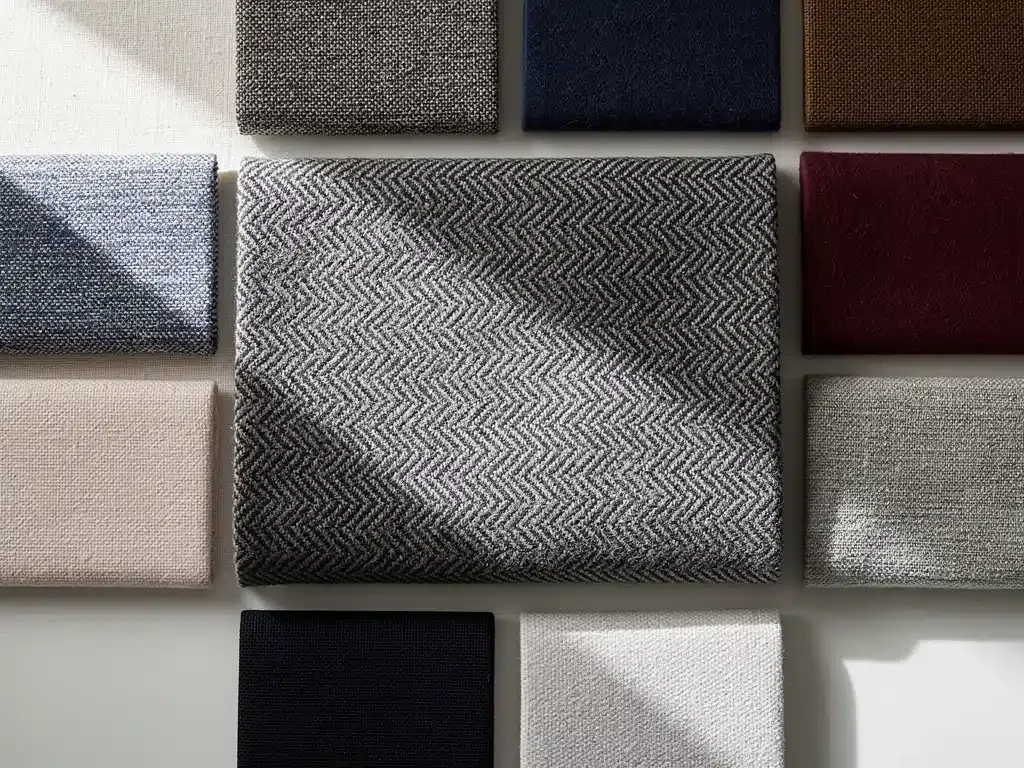
As the textile industry innovates with new combinations of natural and synthetic fibers, understanding fabric blends has become essential for building a versatile wardrobe.
This guide breaks down how different textile compositions impact comfort, durability, and style, helping consumers make smarter, more sustainable apparel choices in 2026.
The Evolution of Fabric Blends in 2026
The textile landscape in 2026 has seen significant advancements, driven by both technological innovation and shifting consumer preferences.
Advertisements
Fabric blends are no longer just about mixing two fibers; they now involve complex engineering to achieve specific performance characteristics. This evolution is central to Understanding Fabric Blends.
Advertisements
Manufacturers are increasingly focused on creating blends that offer enhanced breathability, moisture-wicking properties, and greater resistance to wear and tear.
These developments are directly influencing the types of garments available on the market. Understanding these new compositions is key to making smart purchasing decisions.
The demand for sustainable options also plays a crucial role, with many new blends incorporating recycled materials or fibers with lower environmental footprints.
This trend aligns with a broader industry push towards more responsible production methods. Consumers are empowered to choose options that reflect their values.
Why Blends Matter More Than Ever
Blends provide a synergistic effect, combining the best properties of individual fibers to create superior textiles.
A pure fiber might excel in one area but fall short in another, whereas a well-engineered blend can offer a balanced profile. This balance is critical for garments designed for diverse activities and climates.
For instance, cotton offers breathability but can wrinkle easily, while polyester is durable but less breathable.
A cotton-polyester blend often delivers the best of both worlds: comfort, wrinkle resistance, and improved durability. This intelligent combination enhances the overall user experience.
The strategic use of blends allows designers to meet specific functional requirements, such as stretch for activewear or insulation for cold weather gear.
This precision in textile engineering ensures that clothing is fit for purpose. It is a fundamental aspect of Understanding Fabric Blends.
Key Innovations in Blending Technology
- Smart Fibers Integration: Blends now incorporate temperature-regulating or odor-resistant smart fibers.
- Recycled Material Blends: Increased use of recycled polyester, nylon, and even cotton in new fabric compositions.
- Bio-Based Synthetics: Growing adoption of plant-derived synthetics blended with natural fibers for enhanced sustainability.
- Advanced Weaving Techniques: New methods to combine fibers at a microscopic level for improved performance and feel.
These innovations are not just theoretical; they are tangible improvements that impact the quality and functionality of everyday clothing.
Consumers benefit from garments that offer more than just basic coverage. The technological advancements are transforming expectations.
Decoding Common Fabric Blends for Optimal Wear
Navigating the vast array of fabric blends can be daunting, but understanding the most common combinations simplifies the process.
Each blend is designed with specific benefits in mind, catering to different needs for comfort, durability, and style. This knowledge is paramount for Understanding Fabric Blends.
Consumers frequently encounter blends like cotton-polyester, cotton-spandex, and various wool mixtures.
Knowing what each component contributes helps in making an informed decision about suitability. It ensures that the chosen garment will perform as expected.
The goal is to match the fabric’s properties with the intended use of the clothing, whether it’s for athletic performance, professional attire, or casual wear.
This strategic approach to clothing selection enhances satisfaction and extends garment life. It empowers consumers to be discerning.
https://www.youtube.com/embed/xkOPrvv9jbUCotton-Polyester Blends: The Everyday Workhorse
The cotton-polyester blend remains one of the most popular choices due to its balanced properties.
Cotton provides softness and breathability, making the fabric comfortable against the skin, while polyester adds strength, wrinkle resistance, and quick-drying capabilities.
This combination makes it ideal for a wide range of garments, from t-shirts to work uniforms.
This blend is particularly durable, resisting shrinking and stretching better than pure cotton.
It also holds its shape well and requires less ironing, offering practical benefits for busy individuals. The versatility and low maintenance of cotton-polyester make it a staple in many wardrobes.
When considering this blend, the ratio of cotton to polyester can significantly alter its characteristics.
A higher cotton content will feel softer and more breathable, while a higher polyester content will increase durability and wrinkle resistance. Consumers should always check the exact blend percentage on the label.
Spandex and Elastane Blends: The Stretch Factor
Spandex, also known as elastane or Lycra, is a synthetic fiber renowned for its exceptional elasticity.
When blended with other fibers like cotton, polyester, or nylon, it imparts significant stretch and recovery, allowing garments to move with the body and retain their shape. This is crucial for activewear, jeans, and form-fitting apparel.
Even a small percentage of spandex, typically 2-5%, can dramatically improve the comfort and fit of a garment. It provides flexibility without compromising the primary characteristics of the base fiber. This makes clothing more comfortable for daily activities and exercise.
However, excessive spandex can sometimes lead to reduced breathability in certain blends, so it’s important to consider the overall composition.
For activewear, spandex is often combined with moisture-wicking synthetics to maintain comfort during physical exertion. The stretch factor is a key component of Understanding Fabric Blends.
Wool Blends: Warmth and Durability
Wool, known for its warmth and natural moisture-wicking properties, is frequently blended with other fibers to enhance its performance and reduce its cost.
Common wool blends include wool-cashmere for added softness, wool-polyester for increased durability and shape retention, and wool-acrylic for a more affordable and easier-to-care-for option.
These blends allow consumers to enjoy the benefits of wool, suchs as insulation and breathability, with improved practical features like resistance to pilling or easier machine washing.
The addition of synthetic fibers can also make wool less itchy for those with sensitive skin. This makes wool blends more accessible and versatile.
When choosing wool blends, consider the climate and the garment’s intended use. A higher percentage of natural wool will offer superior warmth, while synthetic additions can provide better resilience for everyday wear.
The careful selection of wool blends ensures both luxury and practicality in cold weather apparel.
The Impact of Fabric Blends on Comfort and Feel
Comfort is a primary consideration when choosing clothing, and fabric blends play a pivotal role in determining how a garment feels against the skin.
The tactile experience, breathability, and moisture management are all directly influenced by the fiber composition. This is a critical aspect of Understanding Fabric Blends.
Different blends offer varying levels of softness, drape, and thermal regulation, impacting overall wearer satisfaction. A blend designed for activewear will prioritize moisture-wicking and breathability, while a blend for loungewear will focus on softness and warmth. These intentional designs cater to specific comfort needs.
Understanding these nuances allows consumers to select clothing that not only fits well but also feels pleasant to wear throughout the day. The right fabric blend can significantly enhance the comfort of any garment. It is about more than just aesthetics.
Breathability and Moisture Management
A fabric’s ability to breathe and manage moisture is crucial for comfort, especially in varying temperatures or during physical activity.
Natural fibers like cotton and linen are inherently breathable, allowing air to circulate and heat to escape. However, they can absorb moisture and dry slowly, potentially leading to a clammy feeling.
Synthetic fibers such as polyester and nylon are excellent at wicking moisture away from the skin, but they can sometimes feel less breathable than natural fibers.
Blending these two types of fibers creates textiles that offer both breathability and effective moisture management. This synergy provides optimal comfort in diverse conditions.
For example, a cotton-polyester blend often provides a good balance, offering some breathability from the cotton while the polyester helps to move sweat away.
Performance fabrics frequently combine these properties to keep the wearer dry and comfortable. The effective management of moisture is paramount for active lifestyles.
Softness, Drape, and Texture
The feel and appearance of a fabric are heavily influenced by its blend. Silk and cashmere are known for their luxurious softness and elegant drape, but they are often blended with other fibers to improve durability or reduce cost.
Cotton blends can offer varying degrees of softness depending on the cotton type and weave.
Synthetic additions like rayon or modal can enhance the softness and drape of cotton or other natural fibers, creating a more luxurious feel.
These blends often mimic the properties of more expensive natural fibers at a fraction of the cost. They provide accessible luxury to a broader market.
The texture of a fabric also contributes to its comfort and aesthetic appeal. Blends can create unique textures, from smooth and silky to textured and rugged, offering a wide range of options for different styles and preferences.
The sensory experience is a vital part of clothing selection.
Durability and Longevity: Investing in Quality Blends
Durability is a key factor in the longevity of clothing, and fabric blends are engineered to withstand wear, tear, and repeated washing.
Investing in durable garments not only saves money in the long run but also contributes to more sustainable consumption habits. This focus on longevity is integral to Understanding Fabric Blends.
Certain fiber combinations can significantly extend the lifespan of a garment, making it more resistant to pilling, fading, and structural breakdown.
Understanding which blends offer superior durability allows consumers to make more economical and environmentally conscious choices. It is about smart stewardship of resources.
The construction of the fabric, including the weave and finish, also plays a role, but the fiber blend is the foundational element for resilience.
Prioritizing durable blends ensures that clothing remains functional and presentable for longer periods. This reduces the need for frequent replacements.
Resistance to Pilling and Abrasion
Pilling, the formation of small balls of fiber on the surface of a fabric, is a common issue that can make garments look old and worn.
Certain blends are more prone to pilling than others, particularly those with a mix of short and long fibers. Polyester, when blended with natural fibers, can sometimes contribute to pilling due to its strength holding the loose fibers in place.
However, many modern synthetic blends are specifically engineered to resist pilling and abrasion, making them ideal for high-wear items like outerwear or activewear.
Blends with tightly woven, smooth fibers tend to be more resistant to surface damage. This makes them suitable for rigorous use.
Consumers seeking long-lasting garments should look for blends known for their resistance to pilling and abrasion. Checking product descriptions for terms like “anti-pill” or “abrasion-resistant” can guide purchasing decisions.
This attention to detail ensures garments maintain their appearance over time.
Color Retention and Fade Resistance
The ability of a fabric to retain its color after repeated washing and exposure to sunlight is another aspect of durability influenced by the blend.
Synthetic fibers like polyester are generally excellent at holding dye and resisting fading, making them a popular choice for vibrant or dark-colored garments.
Natural fibers, while beautiful, can sometimes be more prone to fading, especially when exposed to harsh detergents or prolonged sunlight. Blending natural fibers with synthetics can significantly improve a garment’s color retention, ensuring it looks new for longer. This is particularly important for staples in a wardrobe.
When purchasing colored clothing, especially items that will be washed frequently, consider blends that incorporate fade-resistant fibers. This small detail can make a big difference in the perceived quality and longevity of an item. It helps preserve the aesthetic value of clothing.
Style and Aesthetics: How Blends Influence Fashion
Beyond comfort and durability, fabric blends profoundly influence the aesthetic appeal and style of clothing. The choice of blend can dictate a garment’s drape, sheen, texture, and how it takes color, all of which are critical elements in fashion design.
This connection to aesthetics is a key part of Understanding Fabric Blends.
Designers utilize specific blends to achieve desired visual effects, from the crispness of a cotton-linen shirt to the fluid elegance of a silk-rayon dress.
The way a fabric moves and reflects light contributes significantly to its overall stylishness. These considerations are fundamental to creating compelling fashion.
For consumers, understanding these aesthetic properties helps in selecting clothes that align with their personal style and the intended occasion. It enables a more sophisticated approach to building a wardrobe. The visual impact of fabric is undeniable.
Drape and Structure in Blended Fabrics
The drape of a fabric refers to how it hangs and flows, while its structure relates to its stiffness and ability to hold shape. Different blends offer a wide spectrum of these characteristics.
A blend with a higher percentage of flowing fibers like rayon or modal will have a softer, more fluid drape, ideal for elegant dresses and skirts.
Conversely, a blend containing more structured fibers like cotton or linen, especially in a tighter weave, will offer a crisper hand and more defined shape, suitable for tailored jackets or structured tops.
The balance of fibers in a blend allows designers to precisely control these properties. This control is vital for achieving specific silhouettes.
When choosing garments, consider how the fabric’s drape and structure will complement your body type and the desired look.
A well-chosen blend can enhance the silhouette and overall sophistication of an outfit. It makes a significant difference in how clothing presents itself.
Color Vibrancy and Texture
Fabric blends also impact how colors appear and how the material feels to the touch. Synthetic fibers often allow for brighter, more vibrant colors that resist fading, making them popular for bold fashion statements.
They can also be engineered to have a smooth, uniform texture.
Natural fibers, on the other hand, might offer a more subdued color palette and a richer, more organic texture.
Blending these can create textiles with the best of both worlds: the vibrancy of synthetics combined with the natural feel of organic fibers. This broadens the creative possibilities for designers.
The texture of a fabric also contributes to its comfort and aesthetic appeal. From the subtle sheen of a silk blend to the matte finish of a cotton-polyester, each blend offers unique aesthetic qualities.
These textures contribute to the garment’s overall character and appeal. This is a crucial element of Understanding Fabric Blends.
Sustainable Choices: Eco-Friendly Fabric Blends
As environmental awareness grows, the demand for sustainable clothing options has surged, leading to significant innovations in eco-friendly fabric blends.
These blends often incorporate recycled materials, organic fibers, or innovative bio-based synthetics. This trend is a vital part of Understanding Fabric Blends.
Consumers are increasingly looking for garments that minimize environmental impact without sacrificing performance or style.
Manufacturers are responding by developing blends that reduce waste, conserve resources, and avoid harmful chemicals. This shift reflects a broader commitment to ecological responsibility.
Making sustainable choices in fabric blends contributes to a more circular economy and supports ethical production practices.
Understanding these options empowers consumers to align their fashion choices with their values. It is a powerful way to make a positive impact.
Recycled and Upcycled Blends
Recycled fabric blends are gaining significant traction, utilizing post-consumer or post-industrial waste to create new textiles.
Recycled polyester, made from plastic bottles, is a prime example, often blended with cotton or other fibers to produce durable and comfortable fabrics. This process reduces landfill waste and conserves petroleum resources.
Upcycled blends take this a step further by transforming discarded garments or textile scraps into new fibers, reducing the demand for virgin materials.
These innovative approaches minimize the environmental footprint of clothing production. They represent a significant step towards a more sustainable fashion industry.
When choosing recycled or upcycled blends, consumers contribute to waste reduction and resource conservation.
Look for certifications that verify the recycled content and sustainable production practices. These choices support a healthier planet and a more responsible industry.
Organic and Natural Fiber Blends
Organic cotton, hemp, and linen are natural fibers grown without harmful pesticides or synthetic fertilizers.
When blended, they offer a comfortable, breathable, and environmentally friendly alternative to conventional textiles. These blends reduce exposure to chemicals for both farmers and consumers.
Organic fiber blends often provide a soft, natural feel and are suitable for sensitive skin. They are also biodegradable, making them a more sustainable choice at the end of their lifecycle.
The cultivation of these fibers generally requires less water and energy compared to conventional methods.
Supporting organic and natural fiber blends encourages sustainable agriculture and ethical sourcing. Look for certifications like GOTS (Global Organic Textile Standard) to ensure the integrity of organic claims.
These choices reflect a commitment to health and environmental stewardship.
Care and Maintenance of Blended Fabrics
Proper care and maintenance are essential for maximizing the lifespan and preserving the quality of clothing made from fabric blends.
Different blends have unique care requirements, and understanding these can prevent damage, maintain appearance, and ensure continued comfort. This practical knowledge is crucial for Understanding Fabric Blends.
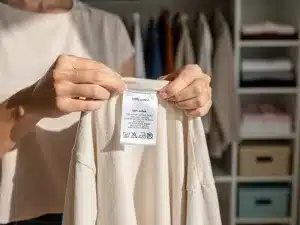
Always consult the care label on each garment, as it provides specific instructions tailored to the fabric composition.
Following these guidelines helps to prevent shrinking, stretching, fading, and pilling. It ensures that garments remain in excellent condition for longer.
Ignoring care labels can lead to irreversible damage, such as shrinking delicate blends in hot water or damaging elastic fibers with high heat in the dryer.
Taking a moment to read and understand these instructions can save you money and extend the life of your clothes. It is a small effort for a large reward.
If a garment contains multiple fibers, the care instructions will generally be geared towards the most delicate fiber in the blend.
When in doubt, opting for a gentler care method, such as cold water washing and air drying, is often the safest approach. This cautious approach preserves garment integrity.
Tips for Extending Garment Life
- Wash in Cold Water: Helps prevent shrinking, fading, and damage to elastic fibers in many blends.
- Use Gentle Cycles: Reduces friction and stress on fabrics, minimizing pilling and wear.
- Air Dry When Possible: High heat from dryers can damage fibers, especially synthetics and delicate blends.
- Turn Garments Inside Out: Protects the outer surface from abrasion during washing and reduces fading.
- Store Properly: Fold knits to prevent stretching and hang woven garments to maintain shape.
By implementing these simple care tips, consumers can significantly extend the life and appearance of their blended fabric garments. Proper maintenance is an investment in your wardrobe. It ensures your clothes continue to look and feel great.
Future Trends in Fabric Blends for 2026 and Beyond
The landscape of fabric blends is continuously evolving, with new trends emerging that promise even greater functionality, sustainability, and aesthetic appeal.
Looking ahead to 2026 and beyond, several key areas are set to reshape how we choose and interact with our clothing. This forward-looking perspective is crucial for Understanding Fabric Blends.
Innovations in biotechnology and material science are paving the way for blends with enhanced performance characteristics, such as self-cleaning properties or integrated wearable technology.
These advancements will push the boundaries of what clothing can do. They will transform the user experience.
The drive towards greater sustainability will also continue to accelerate, with a focus on closed-loop systems and fully biodegradable blends.
These developments promise a future where fashion is both high-performing and environmentally responsible. It is an exciting time for textile innovation.
Smart Textiles and Integrated Technology
The integration of smart technology into fabric blends is a rapidly expanding field.
Future blends may incorporate conductive fibers that can monitor vital signs, regulate temperature, or even charge small electronic devices. These smart textiles will offer unprecedented levels of functionality and convenience.
Imagine activewear that tracks your performance without external sensors, or professional attire that adapts to environmental changes.
These advancements will blur the lines between clothing and technology, creating garments that are truly interactive. The possibilities are vast and exciting.
However, challenges remain in making these technologies durable, washable, and affordable for mass consumption.
As research progresses, smart textile blends are set to become a significant part of our future wardrobes. They represent a new frontier in clothing design and utility.
Circular Economy and Biodegradable Blends
The concept of a circular economy, where materials are kept in use for as long as possible, is driving the development of fully recyclable and biodegradable fabric blends.
The goal is to create garments that can be easily broken down and repurposed at the end of their life cycle, minimizing waste.
New blends are being developed that combine natural fibers with bio-based synthetics, designed to decompose naturally without releasing harmful microplastics.
This addresses a major environmental concern associated with traditional synthetic blends. It is a critical step towards genuine sustainability.
These innovations promise a future where fashion is not only stylish and comfortable but also fully regenerative. Consumers will have the option to choose clothing that leaves no lasting environmental footprint.
This is the ultimate aspiration for eco-conscious production.
| Key Aspect | Description |
|---|---|
| Comfort | Blends optimize breathability, softness, and moisture-wicking for superior feel. |
| Durability | Engineered blends resist pilling, fading, and wear, extending garment lifespan. |
| Style | Fabric blends influence drape, texture, and color vibrancy for diverse aesthetics. |
| Sustainability | Focus on recycled, organic, and biodegradable options for eco-conscious choices. |
Frequently Asked Questions About Fabric Blends
Why are fabric blends becoming more common in clothing?▼Fabric blends are increasingly common because they combine the best attributes of different fibers, enhancing comfort, durability, and performance. This allows manufacturers to create garments optimized for specific uses, such as activewear or formal attire, by mitigating the weaknesses of individual fibers. Consumers benefit from more versatile and higher-performing clothing options.
How do fabric blends impact the comfort of a garment?▼Fabric blends significantly impact comfort by influencing breathability, moisture-wicking, and softness. For instance, a cotton-polyester blend can offer both the softness of cotton and the quick-drying properties of polyester. The right blend ensures optimal thermal regulation and a pleasant feel against the skin, adapting to various activities and climates.
What should I look for in a fabric blend for durability?▼For durability, look for blends that incorporate strong synthetic fibers like polyester or nylon with natural fibers. These combinations often resist pilling, abrasion, and stretching better than pure natural fabrics. Checking the blend ratio and specific performance claims on the care label can help identify garments designed for longevity and resilience.
Can fabric blends be sustainable or eco-friendly?▼Yes, many modern fabric blends are designed with sustainability in mind. This includes blends featuring recycled polyester from plastic bottles, organic cotton, or innovative bio-based synthetics. These options reduce environmental impact by minimizing waste, conserving resources, and promoting responsible production practices in the textile industry, aligning with eco-conscious consumer values.
How does Understanding Fabric Blends: The 2026 Guide to Choosing Clothes for Comfort, Durability, and Style. help my purchasing decisions?▼This guide empowers you to make informed purchasing decisions by demystifying fabric compositions. By understanding how different blends affect comfort, durability, and style, you can select clothing that precisely meets your needs and preferences. It enables you to invest in garments that perform better, last longer, and align with your personal values, enhancing overall wardrobe satisfaction.
Looking Ahead
The insights provided in this guide to Understanding Fabric Blends: The 2026 Guide to Choosing Clothes for Comfort, Durability, and Style underscore a dynamic and evolving industry.
Consumers are now better equipped to navigate the complexities of textile compositions, making choices that prioritize personal comfort, garment longevity, and environmental responsibility.
To dive deeper into specific fiber combinations and their unique properties, check out this comprehensive guide to fabric blends.
The ongoing innovations in material science and sustainable practices will continue to redefine what is possible in fashion.
As we move forward, the emphasis will remain on creating versatile, high-performance fabrics that meet diverse needs.
Staying informed about new blends and their properties will be key to building a functional and fashionable wardrobe. The future of clothing is intelligent, sustainable, and deeply connected to the fibers that compose it.
Monitoring industry reports and product labels will ensure consumers remain at the forefront of these developments.
The ability to discern quality and suitability in fabric blends translates directly into smarter investments and a more satisfying sartorial experience. This knowledge is an indispensable tool for the discerning shopper.

Written by
Lucas Bastos
Lucas Bastos covers electronics and gadgets for S2YOU, from audio, smart-home and phone accessories to product-testing programs for tech. He compares specs, prices and return policies across retailers, and checks every detail on the brand's official site before publishing.