

Advertisements
Creating a healthier home environment through a 3-month air quality plan is more critical than ever, with new research highlighting the profound impact of indoor air on long-term wellness.
Consequently, this guide provides a structured, actionable roadmap to systematically reduce pollutants and enhance your living space.
By breaking the process down into manageable monthly stages—covering everything from ventilation to advanced filtration—this plan ensures a comprehensive approach to cleaner, safer air.
Advertisements
Ultimately, adopting these expert-verified strategies is the most effective way to foster a sustainable and restorative home environment for you and your family.
Understanding Indoor Air Quality and Its Impact
Indoor air quality significantly affects our health, well-being, and overall comfort within our homes. Many common household items and activities contribute to pollutants that can accumulate and impact respiratory and general health.
Recognizing these sources is crucial for developing an effective home air quality plan.
Advertisements
Poor air quality can lead to a range of health issues, including allergies, asthma exacerbation, headaches, and fatigue. Long-term exposure to certain indoor pollutants has also been linked to more serious conditions.
Implementing a robust home air quality plan is thus a preventative measure for health.
This section explores the primary culprits behind compromised indoor air, setting the stage for the practical solutions detailed in the 3-month program. Addressing these fundamental issues forms the bedrock of a truly healthier home environment.
Common Indoor Air Pollutants
Volatile Organic Compounds (VOCs) are often found in paints, cleaning supplies, and furnishings, slowly off-gassing into the air.
These chemicals can cause respiratory irritation and other health problems, making their reduction a key part of any home air quality plan.
Particulate matter, including dust, pet dander, and pollen, circulates throughout homes, triggering allergic reactions and respiratory issues.
Effective filtration and regular cleaning are essential strategies for managing these ubiquitous allergens and improving your indoor air quality.
- VOCs from building materials and household products
- Particulate matter like dust, pet dander, and pollen
- Mold spores from damp areas
- Carbon monoxide from combustion appliances
- Radon gas from soil and building materials
Biological contaminants such as mold, bacteria, and viruses also play a significant role in indoor air pollution, particularly in humid environments.
Controlling moisture levels is paramount to preventing their growth and maintaining a healthy indoor space and a good home air quality plan.
Month 1: Foundation and Initial Improvements
The first month of your healthier home environment: a 3-month plan for air quality improvement focuses on establishing a strong foundation.
This involves assessing current conditions, implementing immediate changes, and introducing better habits. These initial steps are vital for kickstarting the purification process.
Begin by identifying potential sources of pollution in each room, from cleaning products to ventilation issues.
A thorough walkthrough will help pinpoint areas requiring urgent attention, making your efforts more targeted and effective. This diagnostic phase is non-negotiable.
This foundational month also emphasizes basic yet impactful interventions that can yield noticeable improvements in a relatively short period.
These actions lay the groundwork for a sustained enhancement of your home’s air quality.
Initial Assessment and Cleaning
Conduct a detailed inspection of your home for obvious signs of mold, dust accumulation, and poor ventilation.
Pay close attention to bathrooms, kitchens, and basements, which are often hotspots for moisture and microbial growth. This assessment is crucial for your home air quality plan.
Deep clean your home, focusing on dusting, vacuuming with a HEPA filter, and cleaning surfaces with non-toxic products.
This immediate action helps remove existing pollutants and allergens, providing an instant boost to your indoor air quality. Prioritize areas with high traffic and use.
- Inspect for mold, dust, and ventilation issues
- Deep clean all surfaces and floors with HEPA vacuum
- Use non-toxic cleaning products
Ensure your HVAC filters are clean or replaced, as dirty filters can recirculate pollutants and hinder proper airflow. This simple step is one of the most effective initial improvements you can make for your home air quality plan.
Month 2: Enhancing Filtration and Ventilation
The second month of your healthier home environment: a 3-month plan for air quality improvement builds upon the initial efforts by focusing on more advanced filtration and ventilation strategies.
These measures are key to continuously removing airborne contaminants and ensuring a steady supply of fresh air. Improving air circulation is paramount.
Consider installing high-efficiency particulate air (HEPA) filters in your HVAC system or using standalone air purifiers with HEPA technology.
These advanced filters can capture even the finest particles, significantly reducing allergens and pollutants in your home. This is a critical component of any effective home air quality plan.
Optimizing ventilation involves more than just opening windows; it requires understanding air pathways and sometimes investing in mechanical ventilation systems.
Proper ventilation dilutes indoor pollutants and brings in fresh outdoor air, which is essential for a healthy living environment.
Upgrading Air Filtration Systems
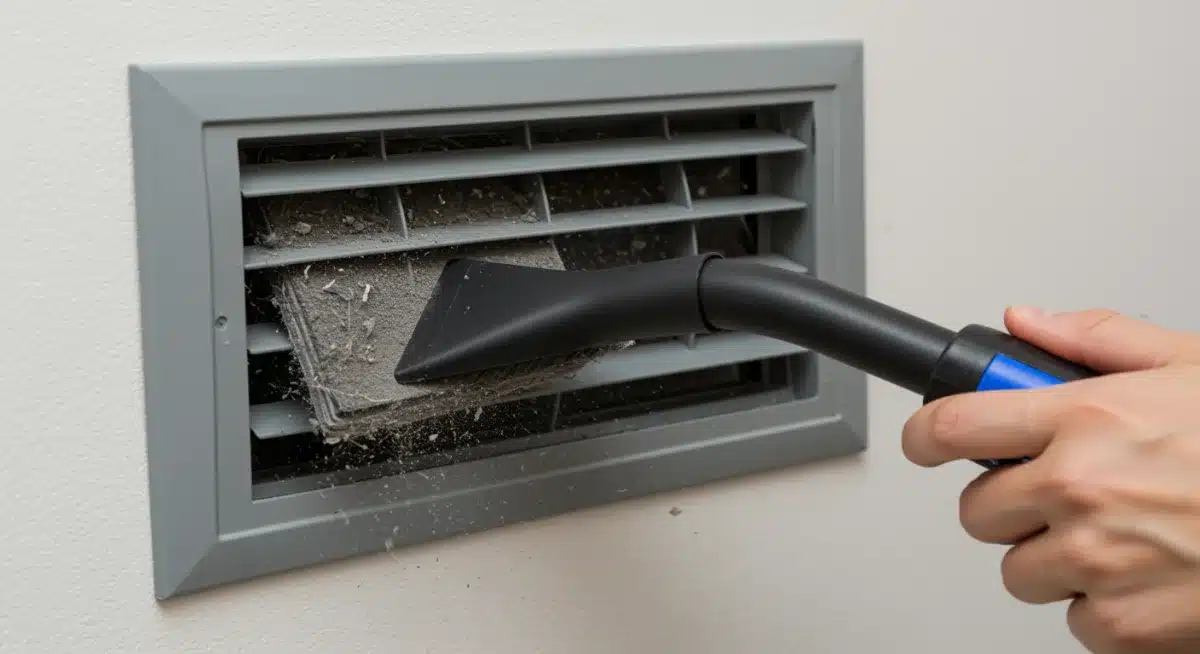
Invest in high-quality HVAC filters with a MERV rating of 11 or higher, replacing them every 1-3 months depending on usage and household conditions.
These filters are designed to capture a wider range of particles, improving overall indoor air quality. Regular replacement is key to maintaining efficiency for your home air quality plan.
For rooms with specific concerns, such as bedrooms or areas with pets, consider adding portable air purifiers equipped with HEPA and activated carbon filters.
These devices offer localized purification, targeting allergens, odors, and VOCs effectively. They provide an extra layer of protection.
- Install MERV 11+ HVAC filters
- Use portable HEPA air purifiers in key rooms
- Regularly check and replace filters
Regular maintenance of your filtration systems is as important as the initial installation. Ensure that all filters are changed on schedule and that air purifiers are cleaned according to manufacturer instructions. This diligence ensures continuous optimal performance of your home air quality plan.
Optimizing Home Ventilation
Increase natural ventilation by regularly opening windows and doors, especially during and after activities that generate pollutants like cooking or cleaning. Cross-ventilation, where air flows from one side of the house to another, is particularly effective.
Even short periods of ventilation can make a significant difference in your home air quality plan.
Utilize exhaust fans in bathrooms and kitchens to remove moisture and cooking fumes directly at the source.
Ensure these fans are properly vented to the outside, not into attics, to prevent moisture buildup and potential mold growth. Consistent use is crucial for humidity control.
- Open windows and doors regularly for cross-ventilation
- Use kitchen and bathroom exhaust fans
- Consider whole-house ventilation systems
For homes with limited natural ventilation, a balanced mechanical ventilation system, such as an energy recovery ventilator (ERV) or heat recovery ventilator (HRV), might be beneficial.
These systems exchange indoor air with fresh outdoor air while minimizing energy loss, providing continuous air renewal for your home air quality plan.
Month 3: Long-Term Maintenance and Sustainability
The final month of your healthier home environment: a 3-month plan for air quality improvement shifts focus to establishing sustainable practices and long-term maintenance strategies.
This ensures that the improvements made in the first two months are not just temporary but become an integral part of your home management. Consistency is the goal.
This phase involves integrating new habits into your daily routine and making informed choices about products and materials used in your home.
It’s about creating a proactive approach rather than a reactive one to maintaining good air quality. A sustainable home air quality plan is a continuous commitment.
By the end of this month, you should have a comprehensive understanding of how to keep your home’s air clean and healthy for the foreseeable future.
This includes monitoring, smart product choices, and ongoing vigilance against new sources of pollution.
Adopting Eco-Friendly Practices
Choose cleaning products, personal care items, and building materials that are low in VOCs and other harmful chemicals. Look for certifications like Green Seal or EPA Safer Choice to ensure products meet stringent environmental and health standards.
This conscious choice is vital for a sustainable home air quality plan.
Reduce reliance on artificial fragrances, air fresheners, and scented candles, which can release VOCs and other irritants into the air.
Opt for natural alternatives like essential oil diffusers or open windows for fresh air. Simple changes can have a big impact.
- Select low-VOC cleaning and personal care products
- Avoid artificial fragrances and scented candles
- Use natural alternatives for air freshening
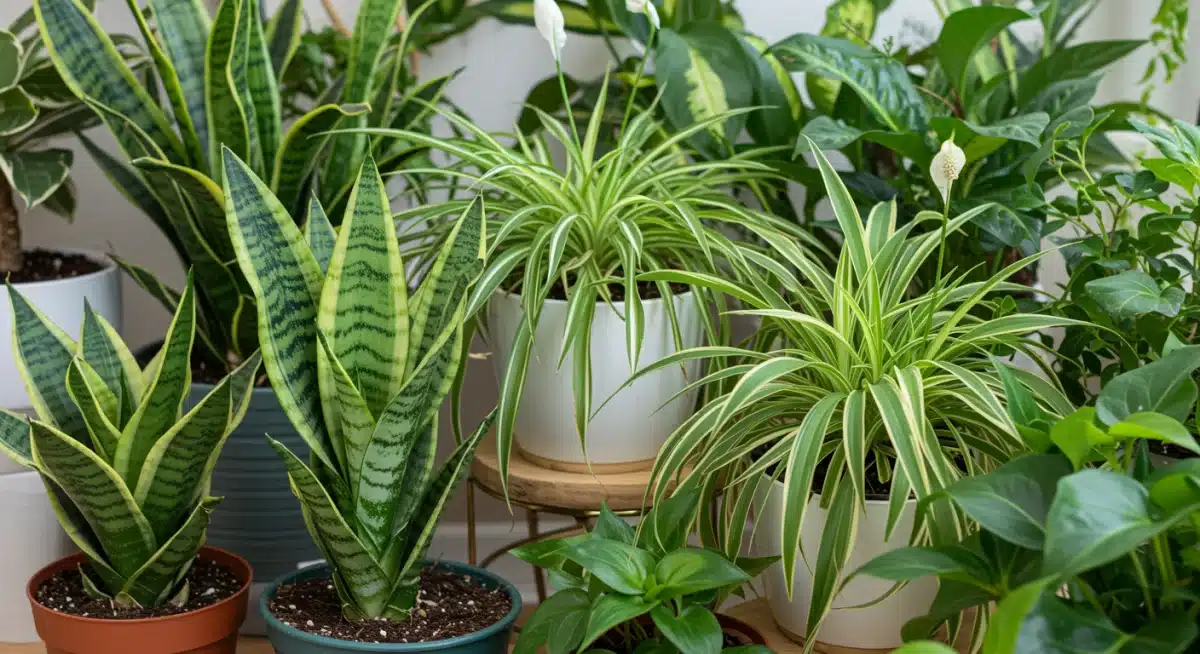
Consider incorporating houseplants known for their air-purifying properties, such as snake plants, spider plants, and peace lilies.
These plants can help filter out certain airborne toxins, contributing to a fresher indoor environment and enhancing your home air quality plan.
Monitoring and Continuous Improvement
Utilize indoor air quality monitors to track levels of common pollutants like VOCs, particulate matter, and carbon dioxide.
These devices provide real-time data, allowing you to identify potential issues and adjust your strategies as needed. Consistent monitoring is a cornerstone of an effective home air quality plan.
Regularly assess your home for new potential sources of pollution, such as new furniture, renovations, or changes in household activities.
Stay informed about product safety and environmental guidelines to make the best choices for your family’s health. Staying proactive is essential.
- Use indoor air quality monitors for real-time data
- Regularly assess for new pollution sources
- Stay informed about product safety and guidelines
Educate yourself and your family on the importance of maintaining good indoor air quality and encourage participation in daily habits that support this goal.
A collective effort ensures the long-term success of your healthier home environment: a 3-month plan for air quality improvement.
Addressing Specific Challenges: Mold and Pests
Mold and pests represent significant challenges to maintaining good indoor air quality, often contributing to allergens and other harmful substances.
Effective management of these issues is crucial for a truly healthier home environment. Ignoring them can undermine all other efforts in your home air quality plan.
Mold, in particular, thrives in damp conditions and can release spores that cause respiratory problems and allergic reactions.
Identifying and addressing moisture sources promptly is the first line of defense. Swift action prevents widespread contamination.
Pests like rodents and insects also introduce allergens and pathogens, impacting air quality through their droppings and shed skin. An integrated pest management approach is essential to control these unwanted guests effectively and improve your home air quality plan.
Mold Prevention and Remediation
Control indoor humidity levels, ideally keeping them between 30% and 50%, using dehumidifiers in damp areas like basements and bathrooms.
Proper ventilation and fixing leaks promptly are also critical for preventing mold growth. Regular inspections help catch issues early for your home air quality plan.
Clean up any small mold spots immediately with appropriate cleaning solutions, ensuring the area is thoroughly dried afterwards.
For larger mold infestations, consider consulting a professional mold remediation service to ensure safe and complete removal. Professional intervention is often necessary for severe cases.
- Maintain indoor humidity between 30-50%
- Fix leaks and dry wet areas immediately
- Clean small mold spots or hire professionals for larger ones
Ensure proper drainage around your home’s foundation to prevent water from seeping into basements or crawl spaces.
This external measure significantly reduces the risk of indoor dampness and subsequent mold development. Good exterior maintenance supports your home air quality plan.
Integrated Pest Management
Seal cracks and openings in your home’s foundation, walls, and around pipes to prevent pests from entering.
This physical barrier is a simple yet highly effective method for preventing infestations and maintaining a healthier indoor environment. Prevention is always better than cure.
Store food in airtight containers and keep kitchen areas clean, promptly cleaning up crumbs and spills.
Eliminating food sources and water access makes your home less appealing to pests, reducing their presence and impact on your home air quality plan. A clean home is a pest-free home.
- Seal entry points for pests
- Store food in airtight containers and keep kitchen clean
- Use non-toxic pest control methods or professional services
If pest problems persist, consider using non-toxic pest control methods or engaging professional pest control services that prioritize environmentally friendly solutions.
Avoid harsh chemical sprays that can introduce new pollutants into your indoor air. A balanced approach protects your family and your home air quality plan.
The Role of Plants in Enhancing Indoor Air Quality
Beyond mechanical solutions, incorporating certain houseplants can significantly contribute to a healthier home environment: a 3-month plan for air quality improvement.
Plants naturally filter airborne toxins, absorb carbon dioxide, and release oxygen, making them valuable allies in your quest for cleaner air. They add aesthetic value too.
Specific plant species are renowned for their ability to remove common indoor pollutants like formaldehyde, benzene, and trichloroethylene.
These natural purifiers work silently and continuously, complementing your other air quality efforts. Choosing the right plants is key.
Integrating plants into your home design is an eco-friendly and visually appealing way to boost your home air quality plan. Their presence can also improve mood and reduce stress, adding another layer of benefit to your living space.
Top Air-Purifying Houseplants
Snake plants (Sansevieria trifasciata) are incredibly resilient and effective at removing toxins such as formaldehyde and benzene from the air.
They are low-maintenance and can thrive in various light conditions, making them ideal for almost any room in your home. Their efficiency makes them a staple in any home air quality plan.
Spider plants (Chlorophytum comosum) are excellent at combating carbon monoxide, xylene, and formaldehyde.
They are easy to grow and produce plantlets that can be propagated, allowing you to expand your green clean air army throughout your home. Their rapid growth is a bonus.
- Snake Plant: removes formaldehyde, benzene
- Spider Plant: combats carbon monoxide, xylene, formaldehyde
- Peace Lily: filters ammonia, benzene, trichloroethylene
- Aloe Vera: cleans formaldehyde, benzene
Peace lilies (Spathiphyllum) are not only beautiful but also highly effective at filtering out ammonia, benzene, and trichloroethylene.
They prefer low light and consistent moisture, making them perfect for bathrooms or dimly lit corners. These plants are a powerful addition to your home air quality plan.
Education and Awareness for a Healthier Home
Central to a successful healthier home environment: a 3-month plan for air quality improvement is ongoing education and awareness.
Understanding how daily activities and product choices impact indoor air quality empowers residents to make informed decisions. Knowledge is indeed power when it comes to maintaining a healthy living space.
Staying informed about new research, product innovations, and best practices ensures that your efforts remain effective and up-to-date.
The landscape of indoor air quality science is constantly evolving, making continuous learning essential for any robust home air quality plan.
Moreover, sharing this knowledge with family members fosters a collective responsibility for maintaining a clean and healthy home.
When everyone is on board, the impact of your initiatives is significantly amplified, creating a truly supportive environment.
Informed Product Choices
Prioritize purchasing products labeled as low-VOC or VOC-free for paints, adhesives, and furniture.
Many manufacturers now offer healthier alternatives that significantly reduce chemical off-gassing into your home. This proactive approach supports your home air quality plan from the ground up.
When selecting cleaning supplies, opt for natural, unscented, or certified eco-friendly options.
Harsh chemical cleaners can release irritants and pollutants, negating other efforts to improve air quality. Conscious consumption is a key element.
- Choose low-VOC paints and furniture
- Select natural or eco-friendly cleaning supplies
- Avoid products with artificial fragrances
Be mindful of personal care products, as many contain synthetic fragrances and chemicals that contribute to indoor air pollution.
Look for products with minimal ingredients and natural scents to further enhance your home air quality plan. Every choice contributes to the overall air quality.
Seasonal Adjustments and Long-Term Strategies
Maintaining a healthier home environment: a 3-month plan for air quality improvement requires adapting to seasonal changes and implementing long-term strategies.
Different seasons present unique challenges to indoor air quality, from pollen in spring to increased indoor heating in winter. A dynamic approach ensures consistent results.
Understanding how external factors like weather and outdoor pollution affect your indoor air allows for proactive adjustments.
This foresight ensures that your home remains a sanctuary regardless of what’s happening outside. An adaptable home air quality plan is more effective.
Long-term strategies involve not just maintenance but also considering future home improvements that can further solidify your air quality efforts.
These investments can provide lasting benefits and enhance the overall health of your living space.
Seasonal Air Quality Management
During allergy seasons, keep windows closed and rely more on your HVAC system with high-MERV filters to prevent outdoor allergens from entering.
Portable air purifiers can also be highly effective in trapping pollen and other seasonal irritants. This targeted approach is crucial for your home air quality plan.
In winter, ensure proper ventilation, especially when using fireplaces or gas heaters, to prevent carbon monoxide buildup.
Humidity levels can also drop significantly, leading to dry air; consider using a humidifier to maintain optimal indoor humidity. Balancing these factors is essential.
- Close windows during high pollen counts
- Ensure ventilation with heating appliances
- Adjust humidity levels seasonally
Regularly clean and maintain gutters and downspouts to prevent water accumulation that can lead to mold growth around your home’s foundation.
This external maintenance is a crucial, often overlooked, aspect of seasonal air quality management and your home air quality plan.
The Future of Home Air Quality: Smart Solutions
As technology advances, the future of a healthier home environment: a 3-month plan for air quality improvement will increasingly integrate smart solutions.
These innovations offer unprecedented control and insights into indoor air quality, making management more efficient and effective. Smart homes will be healthier homes.
Smart air quality monitors, integrated HVAC systems, and automated ventilation controls are becoming more accessible.
These tools provide real-time data and can even make autonomous adjustments to optimize your home’s air. This level of precision enhances any home air quality plan.
Embracing these smart technologies not only simplifies air quality management but also contributes to greater energy efficiency and overall home comfort.
The synergy between technology and environmental health is paving the way for truly intelligent living spaces.
Integrating Smart Home Technology
Install smart air quality monitors that connect to your home network, providing continuous data on pollutants, humidity, and temperature.
Many models offer app integration, allowing you to monitor conditions and receive alerts on your smartphone. This proactive insight is invaluable for a modern home air quality plan.
Consider smart thermostats that can integrate with your air quality sensors, automatically adjusting ventilation or activating air purifiers when pollutant levels rise.
This automation ensures optimal air quality without constant manual intervention. Convenience meets health in this integration.
- Utilize smart air quality monitors
- Integrate with smart thermostats for automated control
- Explore smart ventilation systems
Look into smart ventilation systems that can detect changes in indoor air quality and adjust airflow accordingly, ensuring fresh air is circulated efficiently.
These systems often come with energy-saving features, making them a wise long-term investment for your home air quality plan.
| Key Aspect | Description |
|---|---|
| Month 1 Focus | Initial assessment, deep cleaning, and basic filter replacement for immediate improvements. |
| Month 2 Focus | Upgrading air filtration (HEPA, purifiers) and optimizing home ventilation strategies. |
| Month 3 Focus | Long-term maintenance, eco-friendly practices, and continuous monitoring for sustainability. |
| Key Benefit | Significantly improved indoor air quality, leading to better health and well-being. |
Frequently Asked Questions About Home Air Quality
Common indoor air pollutants include volatile organic compounds (VOCs) from products, particulate matter like dust and pet dander, mold spores, carbon monoxide, and radon gas. Identifying these sources is the first step in creating a healthier home environment and an effective home air quality plan.
It is generally recommended to change HVAC filters every 1 to 3 months, especially if you have pets, allergies, or live in an area with high pollution. Regular filter replacement is a crucial part of maintaining an effective home air quality plan and ensuring optimal performance.
Yes, certain houseplants like snake plants, spider plants, and peace lilies can help remove common toxins such as formaldehyde and benzene from the air. While they are not a complete solution, they are a beneficial and aesthetic addition to any home air quality plan.
Ventilation is essential for diluting indoor pollutants and bringing in fresh outdoor air. Opening windows, using exhaust fans, and considering mechanical ventilation systems are key. Proper ventilation is a cornerstone of a healthier home environment and an effective home air quality plan.
You can monitor your home’s air quality using smart indoor air quality monitors that track VOCs, particulate matter, and other metrics. These devices provide real-time data and alerts, helping you make informed decisions to maintain a healthier home environment and optimize your home air quality plan.
Next Steps: Sustaining Your Healthy Home
The implementation of a healthier home environment: a 3-month plan for air quality improvement marks a significant step toward enhanced well-being.
In this context, the insights gained from this structured approach highlight the ongoing commitment required to maintain optimal indoor air quality over the long term.
Moving forward, continued vigilance, informed choices, and the adoption of emerging smart home technologies will be critical.
This holistic approach ensures a lasting impact on your home’s health and your family’s comfort, emphasizing the dynamic, ongoing nature of a truly effective home air quality plan.
To further refine your strategy and explore expert-backed methods for maintaining a healthier living space, you can consult the 36 Expert Tips for a Healthier Home from Harvard T.H. Chan School of Public Health.
