
How holiday decoration storage bins work and what to check
Advertisements
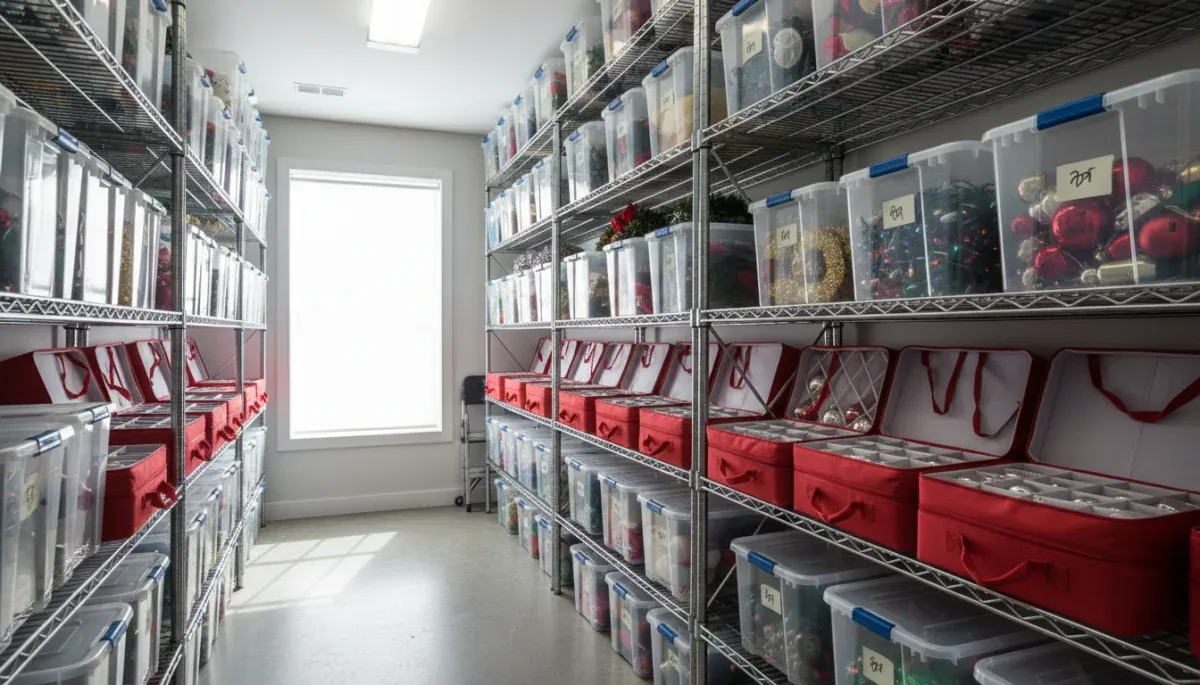
Holiday decoration storage bins protect fragile seasonal items from dust, moisture, and crushing through reinforced structural walls, modular compartmental trays, and tight sealing mechanisms. These specialized containers isolate delicate glass, tangled electrical wiring, and irregular shapes into structured sections that standard utility boxes cannot support.
This organizational setup helps homeowners and apartment dwellers keep multi-piece decorative collections intact across long stretches of storage, but the catch is that manufacturer dimensions often describe the outer edges rather than usable interior space. Misjudging usable interior volume, material resilience, or lid load capacity can result in cracked plastic shells or crushed heirloom pieces.
Core materials and shell construction types
Storage containers designed for seasonal decor typically rely on two core shell formats: molded rigid polymers and flexible textile enclosures. Rigid bins use polymers such as polypropylene or high-density polyethylene. Polypropylene resists chemical solvents and moisture absorption, making it suitable for unheated spaces. High-density polyethylene offers superior impact resistance, which prevents the outer shell from shattering when bumped or dropped during transport.
Advertisements
Fabric containers, often marketed as lightweight ornament chests or wreath bags, generally feature woven polyester or non-woven polypropylene wrapped over compressed cardboard or thin plastic backing boards. Woven polyester with a high denier count resists abrasion and punctures from sharp metallic ornament hooks. However, textile containers lack vertical load capacity. Stacking heavy objects onto a fabric bin transfers the entire downward force directly onto the items stored inside, whereas rigid polymer walls absorb and redistribute external vertical pressure through reinforced perimeter ribs.
Advertisements
Comparing common shell fabrics and plastics
- Polypropylene solid shells resist moisture penetration and maintain rigidity under moderate vertical weight.
- High-density polyethylene bins withstand severe temperature shifts without developing hairline brittleness.
- Denier-rated woven polyester bags offer flexible exterior profiles for lightweight items like garlands and soft figurines.
- Non-woven fabric boxes provide budget-friendly organization but deteriorate quickly if exposed to moisture or excessive tension.
Latching systems on rigid containers also vary by construction. Friction-fit lids snap into place along the container perimeter, but they can pop open under twisting forces. Clamp-down latches use separate hinged plastic or metal handles that mechanically lock the lid onto the base rim, ensuring the container remains sealed even when carried sideways or jostled during transit.
Internal dividers and specialized organizers
The interior architecture of holiday decoration storage bins dictates how well delicate glass, figurines, and electronics survive long-term resting periods. Standard plastic totes allow loose items to shift, collide, and break during movement. Specialized seasonal bins integrate segmented tray systems that distribute structural stress away from the objects themselves.
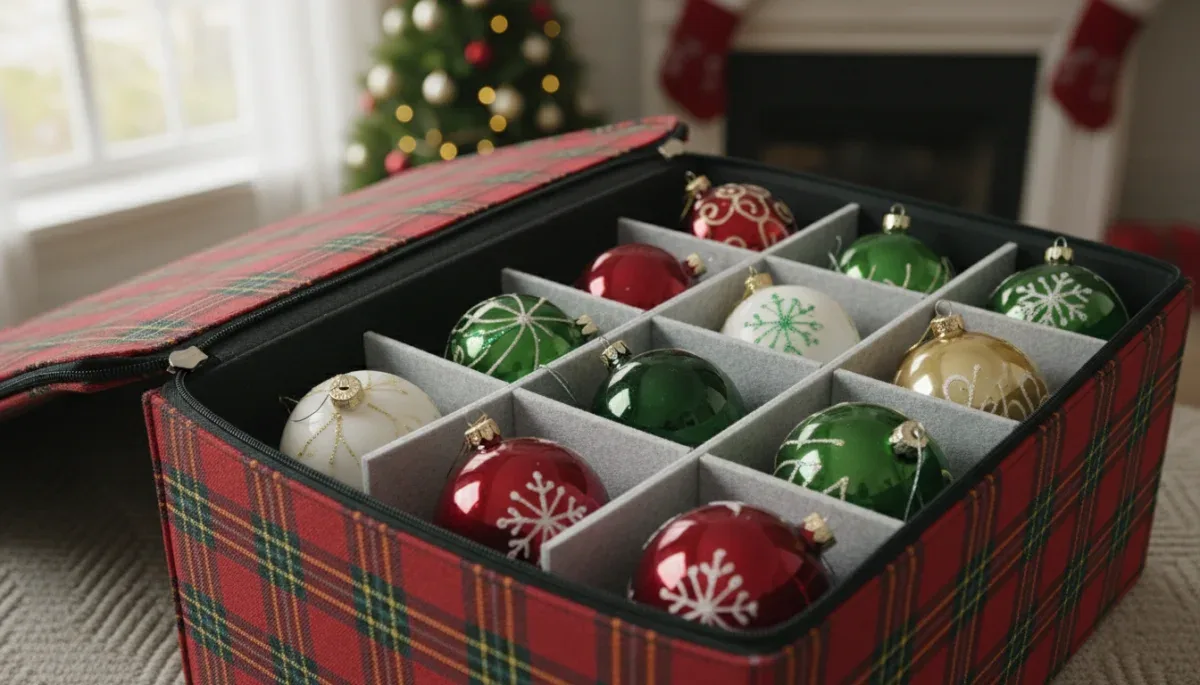
Ornament containers use interlocking grid dividers made of corrugated plastic, cardboard, or acid-free cardstock. Acid-free materials prevent chemical off-gassing, which can tarnish metallic paint and deteriorate antique mercury glass finishes over time. Some premium designs employ removable tiered trays with fabric handles, allowing decorators to lift out entire layers without disturbing the delicate rows seated below.
Divider setups for fragile items
- Interlocking grid trays create isolated cubic cells that prevent glass ornaments from rubbing or colliding.
- Acid-free divider boards safeguard painted finishes and delicate hand-blown glass from chemical degradation.
- Tiered horizontal insert trays allow easy access to lower layers without forcing the removal of individual components.
- Central wrapping spindles hold seasonal string lights securely to prevent knotting, wire crimping, and bulb breakage.
Wiring and specialty items require dedicated geometry. Lighting reels and spool cores hold electrical strands in continuous circular loops, preventing the copper core inside light cords from kinking or pulling loose from bulb sockets. Tree bags and wreath containers utilize internal compression straps to secure heavy artificial foliage to the spine or base of the bag, stopping dense branches from shearing off smaller decorative pinecones or berries.
Storage environments and environmental hazards
Where a container sits during the off-season determines the degree of environmental protection required. Garages, attics, and unfinished basements experience drastic shifts in temperature and relative humidity. An attic can exceed extreme heat thresholds during summer months, which weakens thin plastics and melts delicate hot-glued accents on wreaths. In unheated basements, high ambient humidity fosters mildew growth on natural fabrics, paper ornaments, and cardboard inserts.
Gasketed polymer totes feature a continuous closed-cell foam or silicone seal around the inner perimeter of the lid. When the mechanical latches are locked down, the gasket compresses against the bottom lip, forming a barrier against water vapor, insects, dust, and rodents. Non-gasketed containers permit ambient air to circulate freely. While air circulation can prevent condensation if the ambient temperature is steady, it provides zero defense against basement leaks, roof drips, or pests seeking nesting material.
Protection features for extreme temperatures
- Silicone lid gaskets seal out ambient moisture, airborne dust, and pests in unconditioned storage spaces.
- Opaque bin walls block ambient ultraviolet light that fades colorful fabrics, ribbon, and painted surfaces.
- Temperature-rated resin formulations resist cold-crack failure when handled in sub-freezing winter basements.
- Ventilated fabric containers prevent condensation buildup in climate-controlled closets with consistent humidity levels.
Light penetration presents another hidden hazard for seasonal decor. Clear plastic bins make inventory identification straightforward from across the room, but they provide no filtration against ultraviolet radiation. If clear bins are stored near garage windows or under fluorescent lighting, prolonged UV exposure will degrade vibrant textiles, bleach artificial greenery, and cause clear plastics to yellow and turn brittle over several seasons.
Weight limits and structural stacking rules
The engineering of holiday decoration storage bins dictates how many units can be safely stacked vertically. Manufacturers often list total capacity in dry quarts, gallons, or liters, which describes internal volume rather than structural weight support. Exceeding the structural load limit of a bin lid causes the plastic to bow downward, cracking the seal and placing the weight directly onto the contents below.
Rigid totes incorporate molded stacking grooves on their lids that correspond to recessed feet on the base of an identical bin. This nesting system keeps stacks aligned and prevents lateral slipping. However, the integrity of the lowest tote in the stack governs the stability of the entire column. Placing dense, heavy items like ceramic villages or extension cords into upper bins risks collapsing the lids of the lighter ornament boxes sitting at the base.
Safe handling practices for heavy containers
- Position dense items like ceramic tabletop displays and metal stands in the bottom containers of any vertical stack.
- Align the molded perimeter feet of top containers precisely within the recessed lid tracks of lower bins.
- Limit vertical stacking height to prevent lateral tipping and reduce the total downward load on the bottom lid.
- Inspect integrated carry handles for signs of stress whitening or cracking before lifting heavy loads.
Handle design also affects structural reliability. Open recessed handles molded into the plastic rim offer sturdy purchase but create an open hole where dust and insects can enter the storage chamber. Solid latching handles seal the compartment fully, but they rely on mechanical hinge pins that can snap if the container is overloaded beyond its intended carrying capacity.
What to check before buying holiday containers
Selecting holiday decoration storage bins requires cross-referencing decorative collections with storage space dimensions. Standard retail specifications emphasize exterior footprints, which include wide handles, protruding hinges, and flared lid rims. The usable interior footprint can be significantly narrower due to tapered sidewalls designed to allow nested shipping at the factory.
Shoppers must measure the largest individual items in their collection before purchasing specialized organizers. Extra-large baubles exceeding standard three-inch diameters will not fit inside standard grid cells, requiring customizable or removable divider inserts. Similarly, measuring closet depth, attic access hatches, and shelving clearance ensures that filled bins can pass through doorways and rest flat on utility racks without jutting over shelf edges.
Essential checks for storage purchases
- Measure interior base dimensions rather than exterior lid measurements to ensure oversized decor lays flat.
- Confirm divider cell measurements correspond to your largest glass baubles and delicate figurines.
- Check attic drop-down stairs and closet door clearances against the exterior height and width of the bin.
- Verify whether the plastic composition is rated for freezing temperatures if stored in an unheated garage.
Hardware quality is equally critical. Zippers on fabric containers should feature double pulls and reinforced stitching along the seam tape. Thin nylon zippers on tight-fitting tree bags frequently split under tension when branches shift during handling. For plastic totes, shoppers should inspect the hinges to confirm they use separate hinge pins rather than thin living hinges made of bent plastic, which fatigue and tear after repeated flexing.
Cost considerations and durability trade-offs
The price of holiday storage solutions spans from inexpensive thin-walled holiday totes sold seasonally in discount department stores to heavy-duty commercial storage systems. Inexpensive bins typically use thin polypropylene shells that crack easily when bumped in cold weather. While these lower-cost bins reduce upfront spending, replacing cracked lids and broken ornaments every few seasons increases total long-term costs.
Investing in higher-end modular systems or commercial-grade gasketed totes provides consistent replacement part availability. Major storage brands often maintain consistent product footprints for decades, allowing homeowners to buy matching modular units years later that stack seamlessly onto their existing containers. Seasonal novelty bins frequently change shapes and latch configurations each calendar year, making future stacking and storage expansion difficult.
Ways to assess value over time
- Standardized bin dimensions from major product lines ensure future purchases will stack on older containers.
- Commercial-grade polymers reduce the frequency of container replacement caused by stress fractures.
- Modular insert trays can be repurposed across seasons for various decorative displays and craft supplies.
- Integrated label windows eliminate adhesive residue and keep seasonal inventories clear year after year.
At the time of writing, return windows on seasonal storage items at major retailers like Target, Walmart, and The Home Depot generally span 30 to 90 days, though seasonal clear-out items are occasionally marked final sale. Buyers should review store return terms before purchasing large quantities of bins to ensure they can return containers that do not fit their shelving units or door frames.
At a glance
| Factor | What to know |
|---|---|
| Shell material | Rigid plastic absorbs stacking pressure while fabric suits lightweight items in closets. |
| Lid gaskets | A foam or silicone seal is necessary to block moisture and pests in unheated areas. |
| Interior dimensions | Usable internal base space is smaller than exterior lid measurements due to wall taper. |
| Divider materials | Acid-free cardstock and plastic prevent paint damage on vintage or glass ornaments. |
Frequently asked questions
Are clear or opaque storage bins better for decorations?
Opaque storage bins are better for spaces exposed to sunlight or fluorescent tubes because they shield fabrics and paint from ultraviolet fading. Clear bins work well in dark, climate-controlled closets where quick visual identification saves time, provided the items inside are not vulnerable to light-induced discoloration.
Can I store holiday decoration bins in an attic?
You can store holiday bins in an attic if the containers are rigid and gasketed against dust and insects. However, extreme heat can melt glue on wreaths and soften delicate plastic decor. Fragile heirlooms, candles, and delicate fabrics should remain in climate-controlled areas.
How do I stop artificial Christmas trees from tearing storage bags?
You can stop artificial Christmas trees from tearing bags by securing the folded metal branches with cinch straps before loading. Wrapping the sharp metal pole ends in bubble wrap or cloth padding prevents the steel hardware from puncturing the woven polyester bag fabric during transit.
Do I need acid-free dividers for modern glass ornaments?
Acid-free dividers are strongly recommended for any ornaments with exterior paint, glitter, metallic foils, or antique finishes. Standard cardboard releases acidic compounds over time that react with moisture in the air, leading to peeling paint, discoloration, and tarnished metallic surfaces on both vintage and modern decorations.
The bottom line
Holiday decoration storage bins provide reliable protection against physical impact, dust, and environmental changes when matched to your storage environment and decorative materials. Choosing rigid, gasketed containers prevents moisture and pests from ruining delicate seasonal investments, while modular trays eliminate shifting and breakage. Before buying any seasonal containers, measure the shelf depth of your storage space and the internal base dimensions of the bin to confirm your largest pieces will actually fit.

Written by
Maria Teixeira
Maria Teixeira covers clothing and shoes for S2YOU, from seasonal sales and sizing guides to free-trial and review programs run by fashion brands. She compares prices, return policies and program rules across retailers, and checks every detail on the brand's official site before publishing.