
Microfiber vs cotton sheets and how thread count works
Advertisements
Choosing between microfiber vs cotton sheets comes down to whether you prioritize natural breathability or budget-friendly wrinkle resistance. This comparison helps budget-conscious shoppers looking for reliable bedding online, though navigating misleading thread count labels requires knowing how textile manufacturers measure fabric density.
Bedding labels frequently present exaggerated numbers and vague fabric descriptions designed to make inexpensive sets look luxurious. Understanding the physical differences between natural plant fibers and synthetic petroleum-based threads ensures that you spend money on genuine durability rather than misleading packaging claims.
What microfiber fabric is and how it behaves
Microfiber is a synthetic fabric woven from finely spun polymer fibers, most commonly polyester, polyamides, or a blend of both. To qualify technically as a microfiber, each individual strand must measure less than one denier in thickness, making it finer than a single strand of natural silk. Manufacturers extrude heated plastic polymers through microscopic nozzles, stretch the cooling filaments, and split them to create ultra-thin threads that are tightly woven into sheet sets.
Advertisements
Because the individual fibers are so thin, thousands of them can be packed into a compact weave, resulting in a lightweight material that feels soft straight out of the package. Microfiber is naturally hydrophobic, meaning the plastic filaments repel water rather than absorbing moisture into the core of the thread. This property allows microfiber bedding to resist liquid stains relatively well and dry quickly after a standard laundry cycle.
Advertisements
The closed nature of this synthetic weave affects air circulation around the body during sleep. While brushed microfiber feels velvety against bare skin, the dense plastic barrier traps heat and body vapor, which can cause discomfort for individuals prone to overheating at night.
Key characteristics of synthetic microfiber
- Manufactured from finely spun petroleum-derived polyester or polyamide filaments.
- Naturally resists deep wrinkles and dries rapidly on low heat settings.
- Repels surface spills temporarily due to inherent moisture-resistant polymer properties.
- Attracts static electricity, lint, and pet dander more easily than plant fibers.
How cotton fiber varieties and weaves function
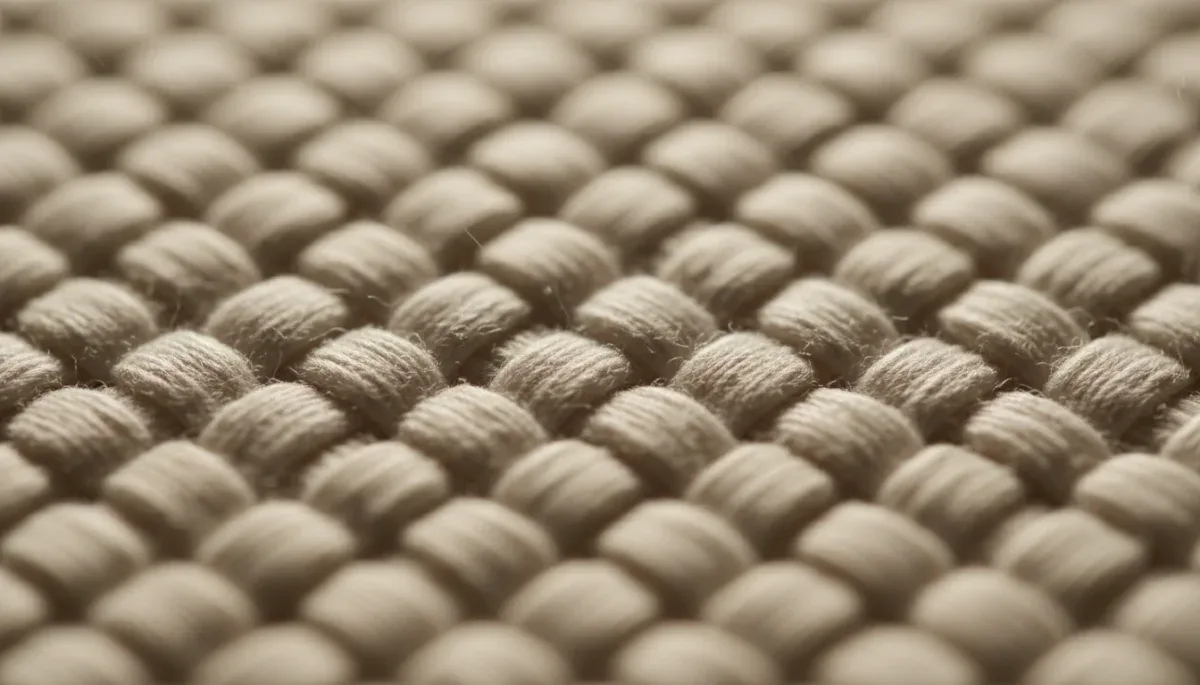
Cotton is a renewable, plant-derived staple fiber harvested from the seed pods of the gossypium plant. The individual fibers consist of natural cellulose, which features an irregular, hollow structure that allows air to move freely between the spun yarns. This physical composition makes cotton inherently hydrophilic, meaning it readily absorbs up to twenty percent of its weight in moisture vapor before feeling damp against the skin.
The grade and durability of cotton sheets depend heavily on the length of the cotton staple used to spin the yarn. Short-staple cotton produces thicker threads with numerous exposed fiber ends, which can feel rough and develop pills over time. Long-staple varieties, such as standard upland cotton, offer smoother texture, while extra-long staple varieties like Egyptian cotton and Pima provide exceptional tensile strength and lasting softness.
Beyond the raw staple length, the mechanical weave determines how the finished fabric rests against your skin and handles airflow. Percale and sateen are the two most common weave structures available on the retail market, each serving distinct sleeping preferences.
Comparing common cotton weave structures
- Percale features a traditional one-over, one-under grid weave that produces a crisp, matte finish with high airflow.
- Sateen uses a four-over, one-under satin weave that exposes more thread surface, creating a subtle sheen and silky drape.
- Twill weaves utilize diagonal ribbing patterns that prioritize fabric weight and heavy-duty structural durability.
- Flannel involves brushed cotton yarns designed to raise loose fibers that trap pockets of warm insulating air.
The truth about thread count and marketing tactics
Thread count represents the total number of horizontal weft threads and vertical warp threads woven into a single square inch of fabric. Historically, textile mills used thread count as a straightforward metric for cotton fabric density, with higher counts indicating finer yarns and a smoother hand feel. However, because only so many individual threads can fit within one physical square inch, true single-ply cotton fabric naturally maxes out between four hundred and five hundred threads.
To market sheets with counts ranging from six hundred to over one thousand, manufacturers often rely on multi-ply yarns. A mill takes two, three, or four low-grade, fragile fibers, twists them into a single cord, and then counts each individual strand separately during labeling. The Federal Trade Commission has previously warned the textile industry that counting multi-ply yarns individually misleadingly inflates thread count ratings, as dense clusters of low-grade threads create stiff, poorly breathing sheets rather than luxurious bedding.
Microfiber does not use traditional thread count metrics at all because the synthetic fibers are too thin to be counted accurately by the square inch. Instead, quality microfiber is measured by grams per square meter, commonly abbreviated as GSM. Budget microfiber sets generally register below ninety GSM, while heavier, durable options range between one hundred and one hundred twenty GSM. When an online retailer advertises microfiber with an eighteen-hundred thread count, that number is pure marketing fiction referring to a subjective softness rating rather than an actual structural count.
Signs of misleading sheet packaging
- Product titles combining synthetic microfiber material with numerical thread count claims.
- Cotton sets advertising thread counts above six hundred at unusually low retail prices.
- Labels omitting whether the woven yarn uses single-ply or multi-ply construction.
- Vague fiber descriptions such as bamboo micro-fiber, which is almost always ordinary polyester.
Comparing heat retention and breathability
Nighttime temperature regulation is one of the most critical factors distinguishing microfiber vs cotton sheets. Cotton works as a natural heat distributor because cellulose fibers allow convection air currents to pass directly through the microscopic gaps between yarns. When you sweat, the hollow cotton core wicks the liquid away from your skin and allows it to evaporate into the bedroom atmosphere, creating an active cooling effect.
Microfiber functions like an insulating thermal wrap due to its dense, non-porous plastic composition. While brushed surfaces feel soft initially, the tightly locked polyester barrier restricts convective airflow, trapping body warmth beneath the covers. Sweating under microfiber can leave sleepers feeling damp and clammy, because the plastic threads cannot absorb moisture vapor, forcing sweat to remain trapped against the body.
Climate and seasonal changes dictate which material performs best throughout the year. Hot sleepers and residents of warm or humid regions generally experience better sleep quality with cotton percale sheets, whereas microfiber can serve as an affordable winter bedding option for sleepers who consistently feel chilled at night.
Durability, washing routines, and long-term care
Maintenance requirements and long-term wear patterns differ substantially between natural cellulose and synthetic polymers. Microfiber holds its original dye color exceptionally well, resists fraying at the edges, and dries in less than half the time required for cotton. However, polyester fibers melt under high heat, meaning you must wash microfiber in cold water and tumble dry on the lowest possible setting to prevent thermal damage and static cling.
Cotton requires more patience initially, as natural fibers feel slightly stiff when unpacked from factory sizing agents. With repeated washing in warm water, cotton fibers gradually break in, becoming noticeably softer and more supple over months of use. While cotton can handle higher water temperatures to eliminate body oils and dust mites, it remains susceptible to wrinkling and will shrink if dried under excessive heat.
Pilling is another maintenance factor to consider over the life of your bedding. Microfiber resists surface abrasion well, but cheap sets develop fine pills once friction breaks the tiny polymer ends. Low-staple cotton pills quickly around heavy-contact areas, whereas high-grade long-staple cotton maintains a smooth, intact surface across several years of laundering.
Practical washing guidelines by fabric type
- Wash microfiber with mild liquid detergent on cold cycles, completely avoiding fabric softeners that coat synthetic fibers.
- Dry microfiber on delicate or air-fluff settings to prevent melting, warping, or building intense static charges.
- Wash cotton bedding in warm water using gentle cycles to break down natural skin sebum without degrading fibers.
- Remove cotton sheets from the dryer while slightly damp to smooth out natural wrinkles without using an iron.
Evaluating online product specifications before checkout
Shopping for bedding on budget marketplace platforms requires reading product specification tables carefully rather than trusting promotional banners. Sellers frequently use descriptive buzzwords like hotel luxury, ultra-soft touch, and silk finish to conceal basic synthetic compositions. Checking the exact percentage listed under the fabric material tab reveals the actual yarn content before you enter payment details.
When searching for genuine cotton on a modest budget, focus on single-ply upland cotton sheets with thread counts positioned between two hundred fifty and four hundred. This range provides the optimal balance of tensile durability, washing longevity, and natural airflow without unnecessary markup costs. If you prefer microfiber for its low maintenance and low price point, look specifically for double-brushed finishes with a verified weight specification between ninety and one hundred ten GSM.
Review customer feedback specifically for notes regarding static buildup, seam tearing, and post-wash chemical odors. Bedding that emits a strong chemical smell straight from the packaging often contains residual manufacturing finishes that take multiple detergent washes to strip away completely.
At a glance
| Factor | What to know |
|---|---|
| Fabric source | Cotton uses natural plant cellulose while microfiber is spun from synthetic polyester polymers. |
| Heat regulation | Cotton breathes naturally and wicks moisture, whereas microfiber retains heat and limits airflow. |
| Thread count metric | Cotton relies on honest thread counts up to 400, while microfiber quality is measured by GSM. |
| Laundry care | Microfiber requires low heat to prevent melting, while cotton withstands hotter hygienic wash cycles. |
Frequently asked questions
Is microfiber or cotton better for hot sleepers?
Cotton is significantly better for hot sleepers due to its natural cellulose structure. The porous weave allows heat to escape and absorbs sweat vapor effectively. Microfiber acts as an insulator, trapping warmth and moisture against your body throughout the night.
What does an eighteen-hundred thread count label on microfiber mean?
The label is an unverified marketing claim rather than an actual structural measurement. Microfiber fibers are synthetic and cannot be measured using traditional square-inch thread counts. Legitimate manufacturers measure microfiber quality by fabric weight in grams per square meter instead.
Do microfiber sheets attract pet hair more than cotton?
Yes, microfiber generates static electricity that actively pulls pet hair, lint, and dust particles toward the fabric surface. Cotton produces minimal static cling, allowing pet hair to be shaken off or vacuumed away much more easily between laundry cycles.
Can you soften scratchy cotton sheets after buying them?
Yes, authentic cotton naturally softens with regular use and laundering. Adding half a cup of baking soda to the wash cycle and one cup of plain white distilled vinegar to the rinse cycle helps remove factory sizing chemicals without damaging the raw plant fibers.
The bottom line
Choosing between microfiber vs cotton sheets balances immediate savings against long-term sleep comfort. Microfiber provides an affordable, wrinkle-resistant solution for cold sleepers and low-maintenance guest rooms, while cotton delivers superior breathability, moisture absorption, and lasting durability that improves with every wash. Before making a final purchase on any retail website, check the specifications tab to verify the exact fiber percentage and GSM weight rather than relying on promotional thread count numbers.

Written by
Maria Teixeira
Maria Teixeira covers clothing and shoes for S2YOU, from seasonal sales and sizing guides to free-trial and review programs run by fashion brands. She compares prices, return policies and program rules across retailers, and checks every detail on the brand's official site before publishing.