Modular Fashion: 4 Brands Leading Customizable Clothing in 2026
Advertisements
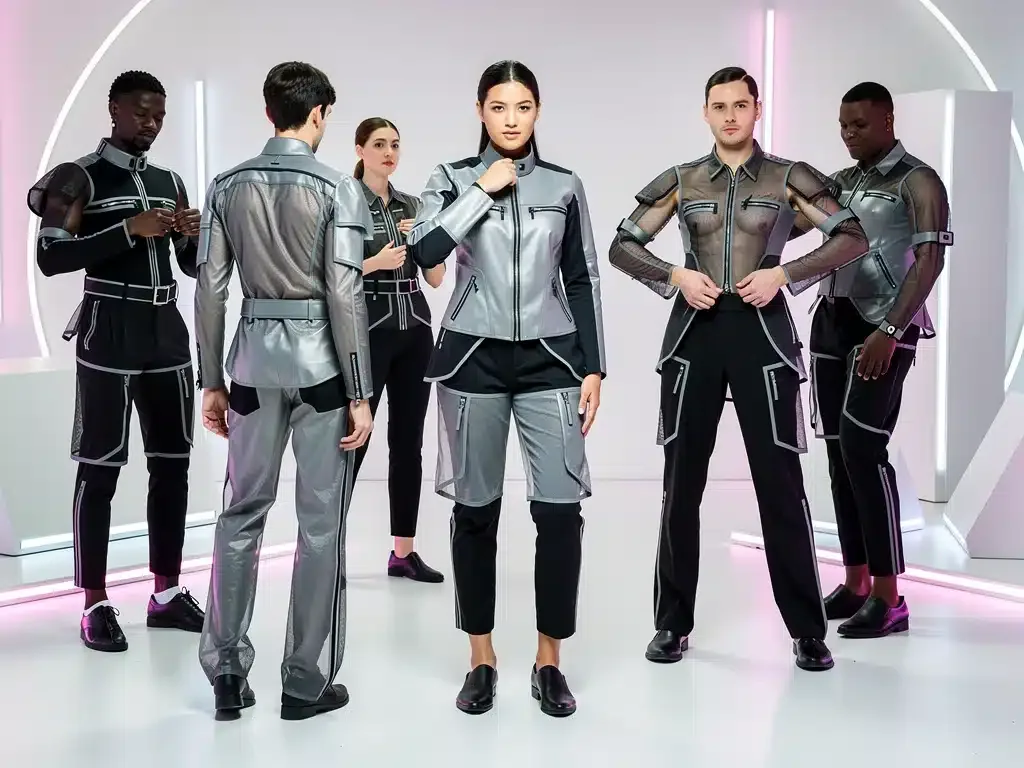
Modular and transformable clothing designs—featuring detachable components, snap-off panels, and modular attachment hardware—are gaining traction in 2026 as sustainable wardrobe solutions.
By utilizing standardized geometric pattern-cutting, multi-wear garment structures, and recycled textiles, pioneering brands allow consumers to reconfigure single pieces into multiple silhouettes.
This functional adaptability extends garment longevity, reduces textile waste, and minimizes the need for frequent replacement, aligning personal style flexibility with circular fashion practices.
Advertisements
Understanding the Modular Fashion Revolution
Modular fashion represents a fundamental shift from traditional garment design, emphasizing adaptability and longevity.
Advertisements
This approach involves creating clothing items with interchangeable components, such as sleeves, collars, hemlines, or even entire sections, allowing wearers to modify their outfits based on personal preference, weather, or occasion.
It’s a direct response to the fast fashion cycle, promoting a more conscious and sustainable consumption model.

The underlying philosophy of modularity extends beyond mere aesthetics; it addresses critical environmental concerns by reducing textile waste and encouraging mindful purchasing.
By offering garments that can transform, brands are enabling consumers to build versatile wardrobes with fewer pieces, thereby minimizing their environmental footprint.
This innovation aligns with a growing global awareness of sustainability.
Furthermore, modular fashion fosters a deeper connection between the wearer and their clothing.
The act of customizing a garment instills a sense of ownership and creativity, moving away from passive consumption towards active participation in design.
This personalized experience is a powerful draw for modern consumers seeking unique expressions of their individuality.
The Core Principles of Modular Design
Modular design in fashion centers on interchangeability, allowing garments to be adapted for various purposes.
This functionality is achieved through intelligent construction, often involving zippers, buttons, snaps, or other secure fastening mechanisms that enable components to be easily attached or detached.
Another key principle is versatility, ensuring that each modular component can seamlessly integrate with multiple base garments or other interchangeable parts.
This maximizes the utility of individual pieces and allows for a wide array of stylistic combinations, catering to diverse tastes and needs.
- Interchangeable Components: Sleeves, collars, pockets, and hems that can be swapped.
- Adaptable Silhouettes: Garments that can change shape or length.
- Multi-functional Pieces: Items serving different purposes, e.g., a jacket becoming a vest.
- Sustainable Practices: Reduced waste and extended garment life cycles.
Technological Advancements Driving Modularity
Technological innovations play a crucial role in the advancement of modular fashion, enabling more sophisticated designs and user-friendly customization.
Digital design tools and 3D printing are facilitating the creation of intricate and precise modular components, enhancing both aesthetics and functionality.
Advanced materials and smart textiles are also contributing to this revolution, offering durability, comfort, and novel ways to integrate modular elements.
These technological strides are making modular clothing more accessible and appealing to a broader consumer base, pushing the boundaries of what is possible in customizable apparel.
The integration of AI and augmented reality platforms further enhances the consumer experience, allowing individuals to visualize different modular configurations before making a purchase.
This digital customization streamlines the selection process and helps consumers make informed choices that align with their personal style. These advancements are critical for the continued Rise of Modular Fashion.
Brand Spotlight: Pionniers in Customizable Clothing
Several brands are distinguishing themselves through innovative approaches to modular fashion, setting new standards for design, functionality, and sustainability.
These pioneers are not just selling clothing; they are offering a new way of dressing, empowering consumers to be co-creators of their style. Their success lies in understanding the desire for adaptability and personal expression.
These brands are strategically addressing market gaps by providing solutions that combat textile waste and offer enduring value.
Their collections often feature high-quality, durable materials designed to withstand frequent reconfigurations and extended wear.
This commitment to longevity is a cornerstone of their brand philosophy, resonating strongly with environmentally conscious consumers.
Furthermore, these leaders are cultivating communities around their modular offerings, engaging customers in the design process and fostering a sense of belonging.
Through workshops, online platforms, and collaborative projects, they are building loyal customer bases who appreciate the blend of innovation, sustainability, and personal touch.
The Rise of Modular Fashion is largely due to these forward-thinking companies.
Brand 1: Atelier Adapt
Atelier Adapt has quickly risen to prominence with its elegant and highly functional modular systems, specializing in outerwear.
Their signature piece, a multi-season coat, features interchangeable linings, hoods, and cuffs, allowing it to transition seamlessly from a lightweight spring jacket to a heavy winter parka. The brand emphasizes premium, ethically sourced fabrics.
Their design philosophy centers on timeless aesthetics and meticulous craftsmanship, ensuring that each component not only fits perfectly but also contributes to a cohesive and stylish ensemble.
Atelier Adapt’s commitment to quality ensures that their modular pieces are investments that truly last, aligning with the brand’s sustainable ethos.
The brand’s online platform offers a sophisticated customization experience, enabling customers to visualize various configurations before purchase.
This interactive approach has garnered a strong following among discerning consumers who value both design excellence and practical versatility in their wardrobe choices.
Brand 2: Reconfigura Apparel
Reconfigura Apparel is making waves with its gender-neutral modular collections, focusing on everyday essentials that can be easily transformed.
Their innovative use of hidden zippers and magnetic fastenings allows for quick changes, turning trousers into shorts or long-sleeve tops into short-sleeve versions. The brand champions minimalist design and a neutral color palette.
Their commitment to sustainability is evident in their use of recycled and organic materials, coupled with a transparent supply chain.
Reconfigura Apparel aims to reduce the need for excessive clothing purchases by offering versatile pieces that adapt to various occasions and personal styles, promoting a capsule wardrobe concept.
- Sustainable Materials: Focus on recycled and organic fabrics.
- Gender-Neutral Design: Collections appeal to a broad audience.
- Easy Transformation: Hidden zippers and magnetic fastenings for quick changes.
- Minimalist Aesthetic: Clean lines and versatile color palettes.
The brand also actively engages with its community through collaborative design challenges, inviting customers to contribute ideas for new modular components.
This inclusive approach strengthens brand loyalty and ensures their offerings remain relevant and responsive to consumer needs, fostering the Rise of Modular Fashion.
The Impact of Modular Fashion on Consumer Behavior
The advent of modular fashion is profoundly influencing consumer behavior, shifting preferences towards products that offer greater value, versatility, and environmental responsibility.
Consumers are increasingly seeking clothing that can adapt to their dynamic lifestyles, reducing the need for an extensive wardrobe filled with single-purpose items.
This trend reflects a broader cultural move towards minimalism and conscious consumption.
This new approach to clothing acquisition is also empowering individuals to express their creativity and personal style in unprecedented ways.
The ability to customize and reconfigure garments transforms the act of dressing into an interactive and engaging experience.
This personalized touch fosters a stronger emotional connection to clothing, moving away from disposable fashion mindsets.
Moreover, modular fashion is educating consumers about the lifecycle of their garments and the impact of their purchasing decisions.
By highlighting the longevity and adaptability of their products, brands are encouraging a more thoughtful approach to fashion consumption, where quality and versatility take precedence over quantity.
This shift is crucial for fostering a more sustainable future for the industry.
Empowering Personal Expression
Modular fashion provides an unparalleled platform for personal expression, allowing individuals to curate their wardrobes with precision.
The freedom to mix and match components empowers wearers to create unique looks that truly reflect their identity, moving beyond mass-produced trends. This customization fosters a sense of individuality and confidence.
Consumers are no longer passive recipients of fashion dictates but active participants in the design process, tailoring garments to their specific tastes and needs.
This collaborative dynamic between brand and consumer is redefining the fashion experience, making it more personal and meaningful. The Rise of Modular Fashion is deeply intertwined with this empowerment.
Driving Sustainable Consumption
One of the most significant impacts of modular fashion is its potential to drive sustainable consumption practices.
By offering versatile garments that can be adapted and reconfigured, brands are effectively extending the lifespan of clothing, thereby reducing waste and the demand for new production.
This model challenges the linear “take-make-dispose” approach of fast fashion.
The emphasis on durability and adaptability inherent in modular design encourages consumers to invest in fewer, higher-quality pieces that offer long-term value.
This shift away from impulsive, trend-driven purchases contributes to a more circular economy within the fashion industry, promoting resource efficiency and environmental stewardship.
Brand 3: Omniwear Systems
Omniwear Systems specializes in performance-oriented modular apparel, targeting active individuals who require clothing that adapts to various environments and activities.
Their collections feature advanced technical fabrics and ergonomic designs, allowing for easy transitions between sports, travel, and casual wear. Omniwear focuses on breathability, water resistance, and durability.
The brand’s innovative attachment mechanisms are designed for quick and secure adjustments, ensuring seamless functionality during movement.
Omniwear Systems’ modular jackets, for instance, can transform from a lightweight shell to a fully insulated coat with the addition of interchangeable layers, catering to diverse weather conditions.
Omniwear also integrates smart technology into some of its modular components, such as embedded sensors for performance tracking or temperature regulation.
This blend of high-performance materials, adaptable design, and smart features positions them as a leader in the tech-infused modular fashion space, driving the Rise of Modular Fashion.
Brand 4: Infinite Threads
Infinite Threads distinguishes itself with a focus on luxury modular fashion, offering high-end garments crafted from exquisite materials like silk, cashmere, and fine wool.
Their pieces are designed for sophisticated layering and elegant transformations, allowing for seamless transitions from professional settings to evening events.
The brand emphasizes intricate detailing and artisanal craftsmanship.
Their modular system often involves subtle, almost invisible fastenings that preserve the garment’s luxurious aesthetic while offering maximum adaptability.
A single base dress, for example, can be adorned with various collars, cuffs, or overlay panels to create dramatically different looks, all while maintaining a refined appeal.
- Luxury Materials: Silk, cashmere, fine wool for premium feel.
- Subtle Fastenings: Discreet mechanisms to maintain elegant aesthetic.
- Sophisticated Layering: Designed for versatile, high-end transformations.
- Artisanal Craftsmanship: Emphasis on intricate detailing and quality.
Infinite Threads also offers bespoke modular services, where clients can collaborate with designers to create custom components tailored to their individual preferences and measurements.
This personalized luxury experience reinforces the brand’s commitment to exclusivity and exceptional quality, solidifying its position in the high-end modular market.
| Key Aspect | Description |
|---|---|
| Definition | Clothing with interchangeable components for versatility. |
| Key Benefit | Enhanced personalization, sustainability, and extended garment life. |
| Market Impact | Drives conscious consumption and reduces textile waste. |
| Future Outlook | Continued growth and innovation in customizable apparel. |
Frequently Asked Questions About Modular Fashion
Modular fashion refers to clothing designed with interchangeable components, such as sleeves, collars, or hems, that can be easily added, removed, or swapped. This allows wearers to customize their garments, adapting them for different styles, occasions, or seasons, thereby extending the garment’s versatility and lifespan.
By offering customizable and adaptable garments, modular fashion reduces the need for consumers to purchase multiple single-purpose items. This approach minimizes textile waste, decreases demand for new production, and encourages a more mindful consumption pattern, making it a key component in the shift towards a circular economy in fashion.
Consumers benefit from increased personalization, allowing them to express their unique style through adaptable clothing. They also gain greater versatility in their wardrobe, reducing clutter and maximizing the utility of each piece. This leads to cost savings over time and fosters a deeper connection with their clothing choices.
The growing consumer demand for sustainable and personalized clothing, coupled with technological advancements, strongly suggests that modular fashion will continue its significant rise. While it may not entirely replace traditional fashion, its influence and market share are expected to expand considerably, especially with the Rise of Modular Fashion: 4 Brands Leading the Way in Customizable Clothing for 2026..
Leading modular fashion brands prioritize high-quality materials and robust construction techniques to ensure durability despite frequent reconfigurations. They often utilize secure, yet easy-to-use, fastening systems like strong zippers, durable snaps, or advanced magnetic closures, all designed to withstand repeated use and maintain the garment’s integrity over time.
Perspectives and Future Implications
The Rise of Modular Fashion: 4 Brands Leading the Way in Customizable Clothing for 2026 signifies more than just a trend; it represents a fundamental shift in the fashion industry’s approach to design, production, and consumption.
As consumer values continue to evolve towards sustainability and personalization, modularity offers a compelling solution that aligns with these demands.
The brands highlighted here are merely the vanguard of a movement that is poised for significant expansion.
Looking ahead, we can anticipate further innovations in modular design, including the integration of smart textiles, advanced digital customization platforms, and even more sophisticated attachment mechanisms.
The collaborative potential between brands and consumers will also deepen, fostering a truly interactive and responsive fashion ecosystem.
This evolution promises a future where clothing is not only stylish but also intelligent, adaptable, and inherently sustainable.
The impact will extend beyond individual wardrobes, influencing supply chains, manufacturing processes, and retail models.
As modular fashion gains traction, it will compel the broader industry to rethink traditional practices, paving the way for a more resilient, responsible, and consumer-centric future.
Monitoring these developments will be crucial for anyone engaged with the evolving world of fashion.
To explore actionable styling tips, brand highlights, and transformable wardrobe concepts, read the No Kill Mag Feature on Elevating Style Through Modular Fashion.

Written by
Lucas Bastos
Lucas Bastos covers electronics and gadgets for S2YOU, from audio, smart-home and phone accessories to product-testing programs for tech. He compares specs, prices and return policies across retailers, and checks every detail on the brand's official site before publishing.