How to read online size charts and take accurate measurements
Advertisements
Online size charts translate physical body measurements into standardized letter or numeric sizes to help you select clothes that fit without trying them on first. These charts provide the exact dimensions that a manufacturer used to construct the garment, allowing shoppers to compare their personal measurements against the product design.
This reference system helps online shoppers reduce fit errors and avoid unnecessary return shipping fees, but it requires using your current tape measurements rather than relying on tag sizes from other brands. Because apparel brands use different base patterns and grading rules, a medium in one online store may correspond to a small or large in another.
Understanding the difference between body and garment measurements
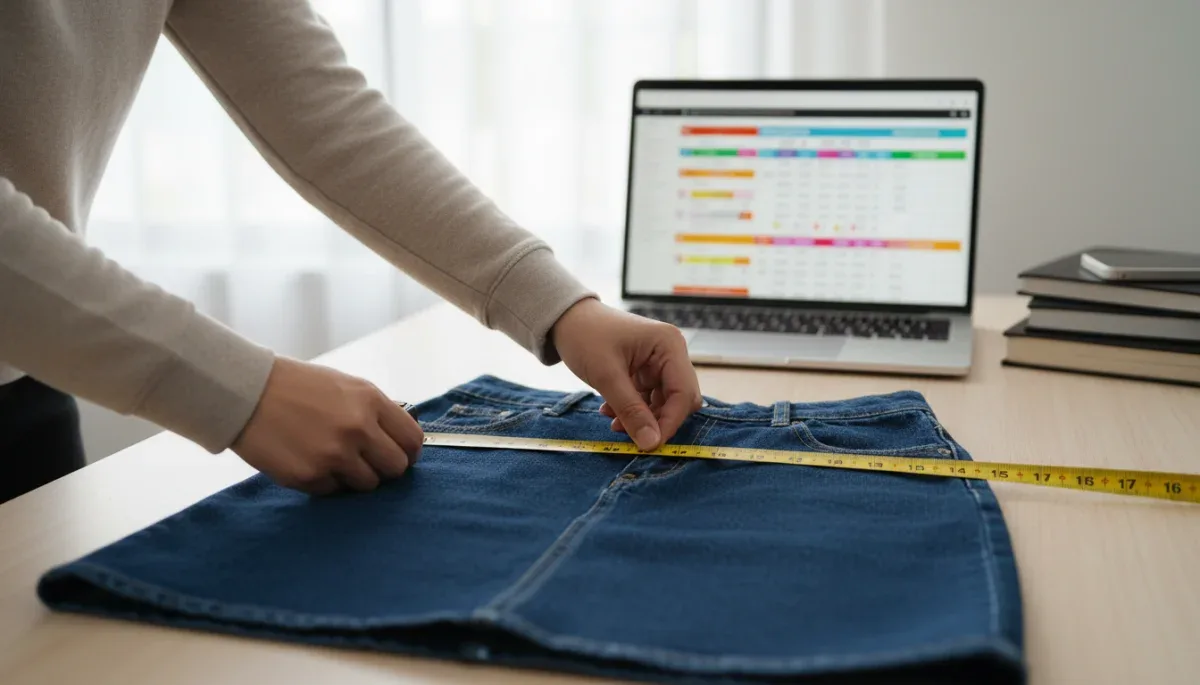
Retailers publish two distinct types of measurement tables, and confusing them is the most common reason for ordering the wrong size. A body measurement chart indicates the physical dimensions of the person the item is intended to fit. A garment measurement chart, often labeled as product dimensions or flat-lay measurements, lists the actual dimensions of the finished piece of clothing when laid flat on a surface.
Advertisements
Garment measurements always include ease, which is the extra space built into clothing to allow for movement and specific styling silhouettes. For instance, an oversized jacket with a forty-inch bust measurement is designed to fit a body with a thirty-four-inch to thirty-six-inch bust. Conversely, tight athletic wear made from spandex blends may list flat garment measurements that are smaller than your body dimensions because the fabric relies on tension and stretch to hold its shape.
Advertisements
When reviewing a product page, check the column headers to determine which data format the merchant provides. If the table lists half-measurements, such as measuring from armpit to armpit across the chest, multiply the number by two to calculate the total circumference before comparing it to your personal body measurements.
How to take accurate body measurements at home
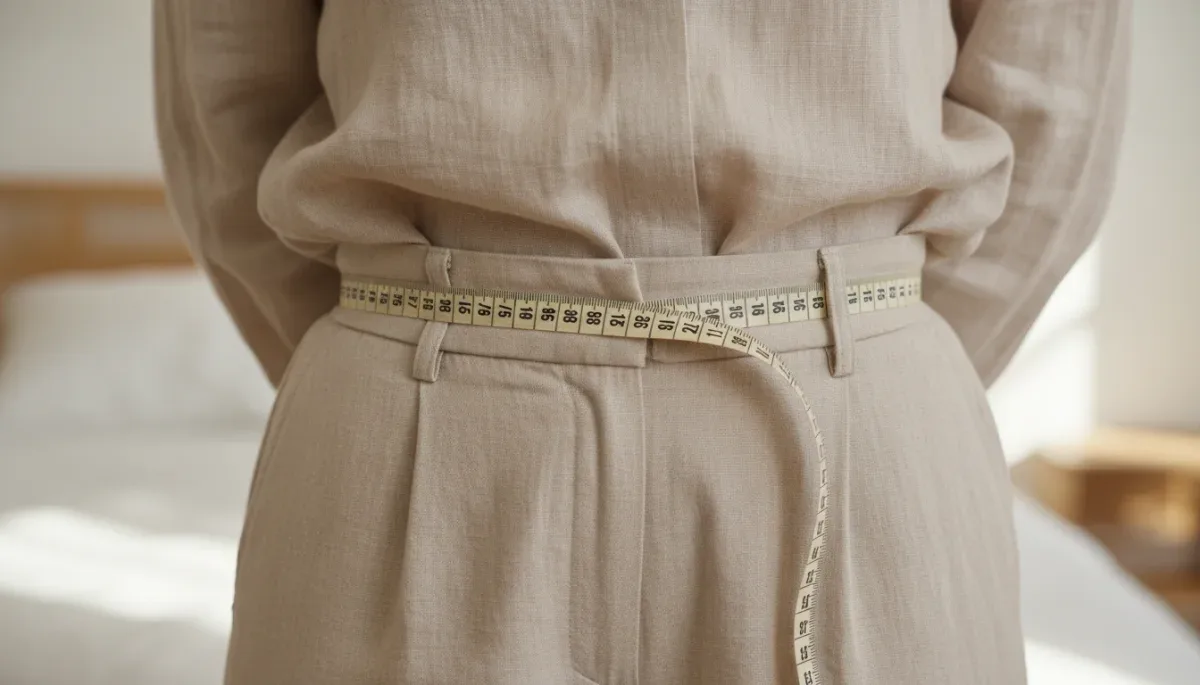
Precise measurements require a flexible cloth or vinyl tape measure. Retractable metal construction tapes are rigid and create curved distortions that add unneeded inches to your numbers. When measuring, wear lightweight undergarments or form-fitting clothing, stand straight with your feet together, and breathe naturally without pulling your abdomen in.
Standard key measurement points
- Bust or chest: Wrap the tape around the fullest point of your chest, keeping the tape level across your shoulder blades and parallel to the floor.
- Natural waist: Measure around the narrowest part of your torso, which is usually located an inch or two above your belly button.
- Hips: Stand with your heels together and measure around the widest portion of your hips and buttocks.
- Inseam: Measure along the inside of your leg from the lowest point of the crotch seam down to the bottom of the ankle bone.
Keep the tape snug against your skin, but do not pull it so tight that it compresses your flesh. Slide one finger under the tape to verify there is enough slack for standard breathing and sitting comfort. Record your numbers in both inches and centimeters, as many overseas retailers provide sizing tables exclusively in the metric system.
Interpreting international size conversions and brand variance
Standardized sizing does not exist across the global fashion industry. American standard sizes differ significantly from sizing systems used in the United Kingdom, the European Union, Australia, and East Asia. For example, a United States women's size 6 generally equates to a United Kingdom size 10, a European size 38, and an Italian size 42.
Vanity sizing complicates international conversion charts further. Over recent decades, many apparel companies in North America have gradually increased the physical dimensions of their numbered sizes to flatter consumers, meaning an older size 8 is often smaller than a modern size 8. Meanwhile, fast-fashion brands based in East Asia frequently produce clothing based on narrower frames and shorter torsos, which makes their items run one to two sizes smaller than standard United States retail sizing.
To avoid conversion errors, bypass general country size charts and look directly at the specific measurement table attached to the individual product page. If your measurements fall across different size categories, such as a medium bust and large hips, choose the size that accommodates your largest measurement for non-stretch items, or look for silhouettes that offer looser cuts in that area.
Factoring in fabric stretch and garment ease
The material composition of a garment dictates how forgiving the fit will be if your measurements sit between two sizes. Natural woven fibers like 100 percent cotton, linen, silk, and wool provide zero mechanical stretch unless they are cut on the bias. For these fabrics, choosing a size that matches your exact body measurements without extra ease will result in tight seams, restricted mobility, and potential fabric tearing.
Knitted fabrics and blended textiles containing elastane, spandex, or Lycra accommodate wider measurement ranges. A garment containing two to five percent spandex stretches to contour around your body curves, which allows for closer adherence to body size charts. When purchasing structured woven garments such as formal blazers, rigid denim, or tailored trousers, prioritize the largest measurement point of your body and plan for minor tailoring if necessary.
Garment ease falls into three primary categories based on design intent: close-fitting, standard, and relaxed. Close-fitting pieces have zero to one inch of ease, standard casual clothing includes two to three inches of ease for comfort, and relaxed outerwear can include four to eight inches of room to accommodate underlying layers.
How to read product reviews and customer fit indicators
Customer feedback sections provide critical context that raw size charts cannot convey on their own. Many online retail platforms include fit-rating scales where verified buyers indicate whether an item runs small, true to size, or large. Pay close attention to reviews written by customers who share their exact height, weight, and typical clothing size.
Check user-submitted photos to see how the garment hangs on different body types outside of professional studio lighting. Reviewers often point out specific design quirks, such as tight armholes, short sleeves, narrow shoulders, or excessive length in the legs. These functional observations explain how a garment interacts with real bodies during daily wear.
If multiple recent reviews note that a specific manufacturing batch runs small due to fabric shrinkage or altered pattern cutting, size up accordingly. When a retailer changes suppliers or updates an item pattern, customer reviews usually reflect those changes within a few weeks of delivery.
At a glance
| Factor | What to know |
|---|---|
| Chart format | Confirm whether the table shows body dimensions or finished garment flat measurements. |
| Measuring tape | Use a flexible vinyl tape held level without pulling it tight against the skin. |
| Fabric blend | Woven items require extra ease, while spandex blends stretch to accommodate intermediate sizes. |
| Split sizes | Match the garment size to your largest body measurement for non-stretch clothing. |
Frequently asked questions
How often should I retake my body measurements?
You should measure your body every three to six months or whenever you notice a shift in how your current clothes fit. Small weight fluctuations, workout routines, and posture changes alter your circumference measurements enough to impact how tailored garments fit your frame.
What should I do if my measurements fall between two sizes?
Order the larger size if the garment is made from rigid woven fabric with no stretch, or if you prefer a relaxed fit. Choose the smaller size if the fabric contains elastane or is an oversized cut where extra material creates unwanted bulk.
Why are flat-lay garment measurements smaller than my body size?
Flat-lay measurements only represent the garment width from seam to seam across one side. You must double those numbers to get the full circumference, and items with elastic or compression fabrics are intentionally cut smaller than body measurements to maintain tension.
Are general brand size charts reliable across all items?
No, universal brand charts provide broad estimates but do not reflect variations between individual garment cuts. Always look for item-specific measurement charts on the product page, which account for the unique fabric weight, stretch, and intended styling of that specific piece.
The bottom line
Selecting the right size when shopping online depends on matching your current body measurements against item-specific measurement charts rather than relying on standard letter tags or past purchases. Keeping an updated record of your bust, waist, hip, and inseam measurements allows you to navigate brand sizing variations and fabric differences with precision. Before placing any order, check the item's individual size guide and the store's current return policy to confirm sizing terms and exchange fees.

Written by
Maria Teixeira
Maria Teixeira covers clothing and shoes for S2YOU, from seasonal sales and sizing guides to free-trial and review programs run by fashion brands. She compares prices, return policies and program rules across retailers, and checks every detail on the brand's official site before publishing.