
Rayon vs lyocell breathability: which fabric keeps you cooler
Advertisements
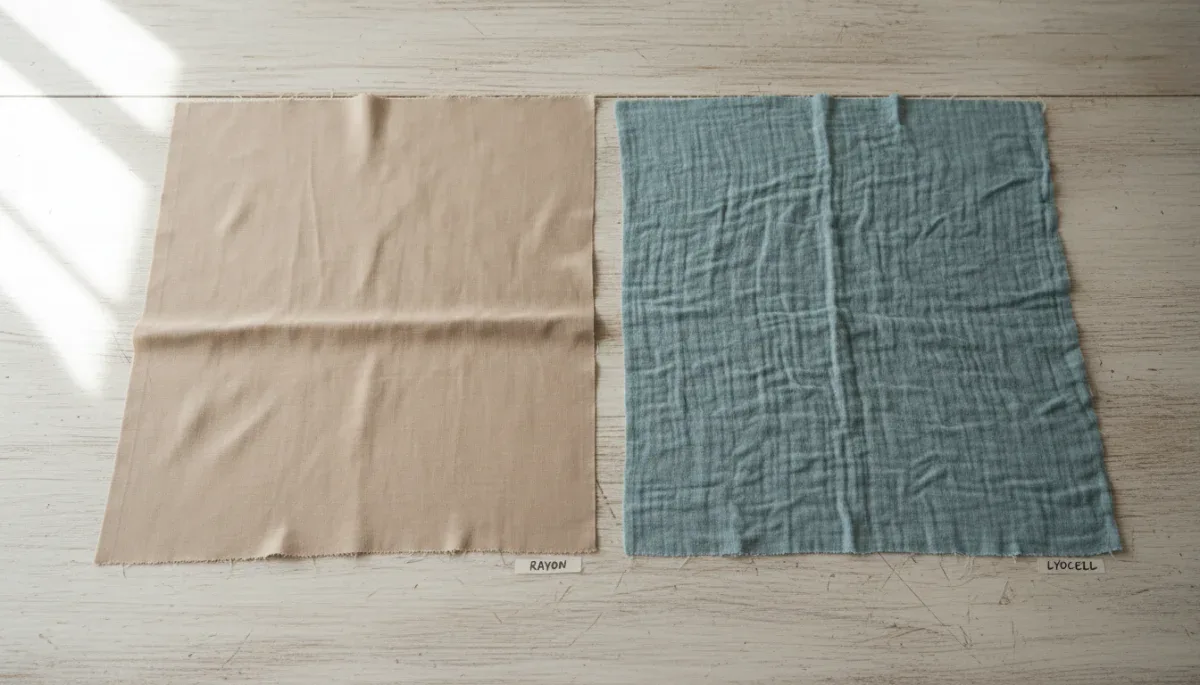
Lyocell provides noticeably better breathability and moisture control than standard rayon in hot conditions because of its uniform fiber structure. Both textiles originate from plant cellulose, but differences in chemical spinning yield distinct surface properties and air permeability.
This comparison helps shoppers evaluating warm-weather clothing on online retail platforms choose the right tops, dresses, and loungewear. The tradeoff is that garments made from pure lyocell generally cost more than standard viscose rayon alternatives.
How rayon and lyocell are manufactured
Rayon and lyocell belong to the family of regenerated cellulose fibers, meaning manufacturers harvest wood pulp and chemically dissolve it into a liquid solution before extruding it into yarn. Conventional rayon, often labeled as viscose, relies on a multi-stage chemical treatment involving carbon disulfide and caustic soda. This process breaks down cellulose chains and reforms them, producing smooth filaments that drape fluidly across the body.
Advertisements
Lyocell represents an advanced generation of cellulose fiber production that uses a direct solvent spinning process. Wood pulp, frequently sourced from eucalyptus or beech trees, dissolves in an organic amine oxide solvent without altering the underlying molecular chain length. The solvent is recovered and reused within a closed-loop system, creating a fiber with higher structural uniformity and fewer surface irregularities.
Advertisements
Fiber structure and air permeability
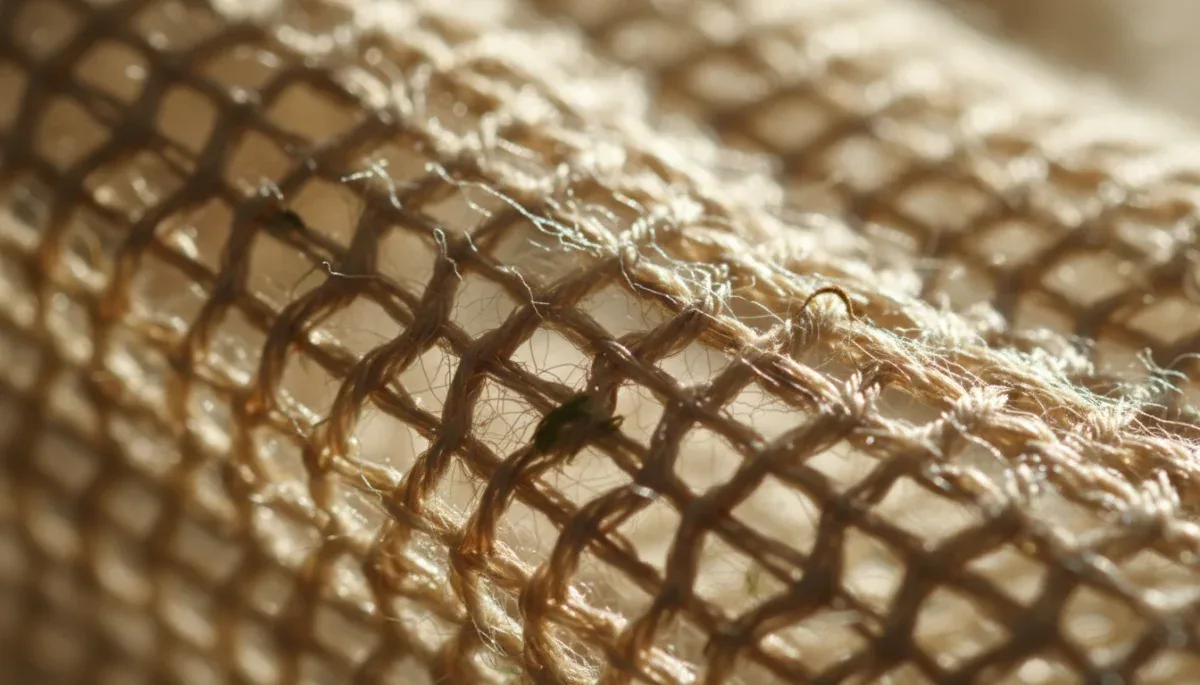
The core factor in rayon vs lyocell breathability is how each filament handles micro-ventilation at the yarn level. Lyocell fibers possess microscopic channels called nanofibrils arranged uniformly along the fiber axis. These tiny channels allow air and vapor to pass through the textile matrix freely, preventing hot air from becoming trapped against the skin during warm afternoons.
Standard rayon fibers have an irregular, grooved cross-section created during the acid regeneration bath. While this surface gives rayon its characteristic silky sheen and light hand feel, the yarns can compact together when woven tightly, limiting passive airflow. For loose clothing, both materials feel airy, but lyocell maintains consistent air permeability across a wider variety of knit and woven constructions.
Factors influencing air circulation
- Fabric density determines whether ambient air penetrates the garment weave during movement.
- Yarn twist alters the space between individual threads, affecting overall ventilation.
- Cellulose fiber alignment governs how easily body heat radiates outward through the cloth.
Moisture absorption and sweat management
Breathability depends heavily on how a textile responds to perspiration. When sweat evaporates from the skin, a breathable fabric absorbs the vapor and releases it outward. Lyocell absorbs approximately fifty percent more moisture vapor than cotton, drawing sweat rapidly into the inner core of the fiber without leaving the outer surface feeling wet to the touch.
Rayon absorbs water efficiently as well, but it tends to hold liquid within its amorphous cellulose structure. In high humidity, rayon can become saturated, which causes the fabric to stick to the skin and block airflow. Once rayon fibers swell with moisture, the spaces between the yarns contract, significantly reducing breathability right when the wearer needs ventilation most.
Fabric strength and performance when wet
A critical limitation of traditional rayon is its loss of mechanical strength in damp environments. When rayon absorbs moisture, its molecular bonds relax, causing the fiber to lose up to half of its dry tensile strength. This structural shift makes damp rayon stretch out of shape, cling heavily to the body, and wear down quickly from friction in humid conditions.
Lyocell maintains high tensile strength whether dry or wet. The crystalline structure preserved during the solvent-spinning process resists deformation even when exposed to heavy sweat or frequent laundering. Because lyocell does not lose its shape when damp, lightweight shirts and dresses retain their breezy drape rather than collapsing against the torso during heatwaves.
Everyday performance contrasts
- Wet tensile strength allows lyocell to hold its silhouette during active use.
- Rayon fibers swell significantly when saturated, causing cling and reduced airflow.
- Lyocell releases stored moisture into the air faster than conventional viscose rayon.
- Rayon fabrics often develop surface friction and fuzzing after repeated moist wash cycles.
Care requirements and shrinkage risks
Maintaining breathability over time requires adhering to proper laundry methods, as improper washing can damage fiber surfaces and tighten the weave. Standard rayon shrinks easily when exposed to warm water or tumble dryers. As rayon shrinks, the open weave tightens into a dense fabric, permanently diminishing the airflow that made the garment comfortable when new.
Lyocell exhibits greater dimensional stability in the wash compared to rayon, though high heat can still cause minor shrinkage. Washing either fabric in cold water on a delicate cycle preserves fiber integrity. Air drying flat or on a hanger prevents heat damage, keeping the weave loose and permeable for many seasons of warm-weather wear.
Shopping tips for online clothing tags
When shopping for budget clothing online, fiber terminology on product pages can be confusing. Conventional rayon appears under several names, including viscose, artificial silk, or simply rayon. Lyocell often appears under the brand name TENCEL, though generic lyocell is increasingly common in affordable collections.
Many fast-fashion listings feature blends that mix cellulose fibers with polyester or elastane. A rayon or lyocell shirt blended with more than thirty percent polyester will feel noticeably warmer and trap sweat, regardless of the primary cellulose fiber. Checking the exact fabric breakdown in the specifications tab ensures you receive the breathability benefits of pure cellulose fibers.
What to check before ordering
- Review the detailed material composition for high cellulose percentages above seventy percent.
- Look for loose weave descriptions like linen-blend, slub, or twill for improved airflow.
- Check customer feedback for mentions of clinginess, stiffness, or shrinkage after washing.
At a glance
| Factor | What to know |
|---|---|
| Airflow | Lyocell provides superior air circulation due to uniform nanofibril structure. |
| Moisture absorption | Both absorb moisture well, but lyocell releases it faster without surface dampness. |
| Wet durability | Lyocell retains high tensile strength when damp, while rayon weakens significantly. |
| Garment cost | Rayon is typically more affordable and widely available on budget retail platforms. |
Frequently asked questions
Which fabric is better for extreme humidity?
Lyocell is the better choice for extreme humidity because it absorbs sweat quickly and releases it into the air without clinging. Standard rayon holds moisture longer, which causes the fabric to become heavy, swell, and stick to the skin in sticky outdoor environments.
Does rayon shrink more than lyocell when washed?
Rayon shrinks significantly more than lyocell when exposed to heat and agitation in a washing machine. The regenerated cellulose bonds in rayon relax easily in water, whereas lyocell maintains higher dimensional stability and resists dramatic shrinkage when washed in cool water.
Can rayon and lyocell be ironed on high heat?
Neither fabric should be ironed on high heat because excessive temperatures can scorch or glaze regenerated cellulose fibers. Use a low-to-medium heat setting with a light burst of steam, or press the garment inside out while slightly damp to smooth wrinkles safely.
Why is lyocell clothing more expensive than rayon?
Lyocell costs more because its manufacturing requires specialized non-toxic organic solvents and modern closed-loop equipment. Conventional rayon utilizes older, widely available chemical methods that have lower production costs, making standard viscose garments cheaper for budget manufacturers to produce.
The bottom line
When comparing rayon and lyocell for breathability, lyocell performs better due to its higher moisture wicking, open fiber matrix, and durability when wet. Standard rayon remains an acceptable, budget-friendly option for dry warm days if cut in a loose silhouette. Before purchasing summer apparel online, always check the exact material composition on the product page to verify the fabric blend contains minimal synthetic content.

Written by
Lucas Bastos
Lucas Bastos covers electronics and gadgets for S2YOU, from audio, smart-home and phone accessories to product-testing programs for tech. He compares specs, prices and return policies across retailers, and checks every detail on the brand's official site before publishing.