
Refurbished vs Open-Box: Return Policies Explained
Advertisements
Refurbished electronics are items that have been inspected, cleaned, repaired, or certified after previous use or damage, whereas open-box products are typically customer returns that were opened but not necessarily defective or disassembled. Choosing between them helps budget-conscious shoppers secure substantial discounts on laptops, televisions, audio equipment, and smartphones, but the real challenge lies in navigating store return policies, potential restocking fees, and warranty limitations.
Retailers often treat these two categories differently when it comes to return windows and post-purchase support. Knowing what the labels mean and how each store handles returns prevents unexpected surprises if a device fails or is missing essential parts.
How refurbished electronics are tested and graded
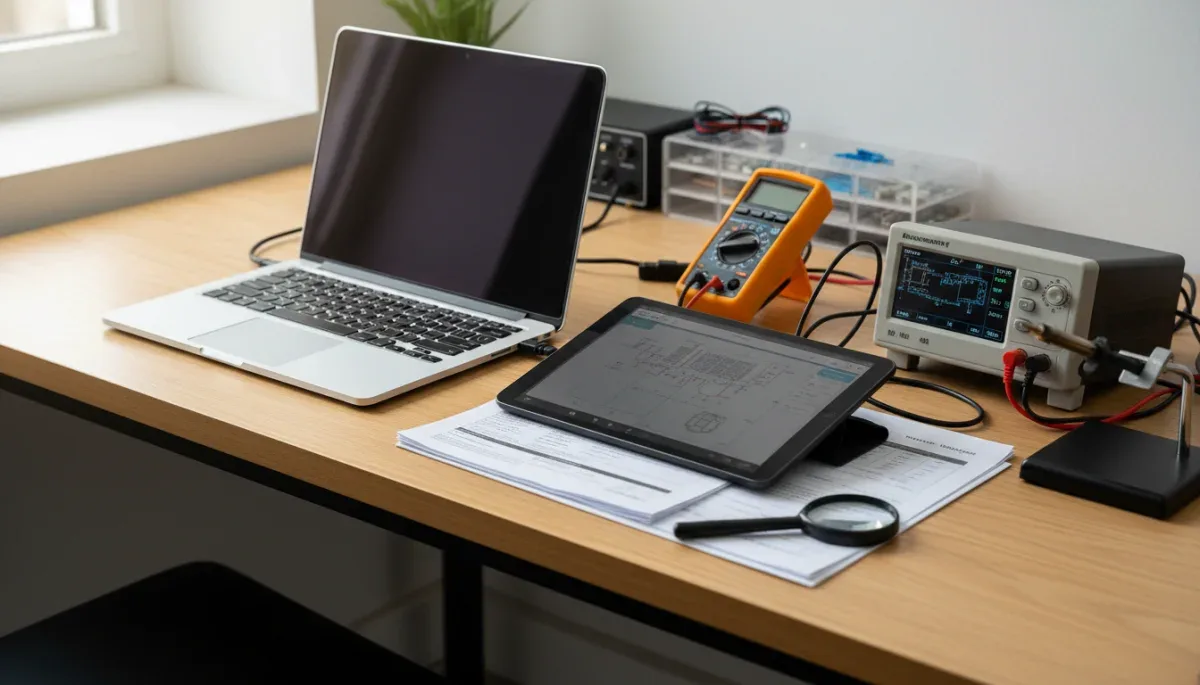
A refurbished product has gone through an evaluation process to restore it to full working condition. The depth of that process depends on whether the item is manufacturer-refurbished or third-party refurbished. Manufacturer-refurbished items are handled directly by the original brand or an authorized repair facility. These products usually receive genuine replacement parts, fresh battery installations when applicable, complete diagnostic checks, and thorough cleaning.
Advertisements
Third-party refurbished devices are restored by independent sellers or retail refurbishment partners. The standards for third-party repairs can vary widely between vendors. Many third-party sellers use standard cosmetic grading scales to set buyer expectations:
Advertisements
Common cosmetic condition tiers
- Grade A or excellent: Shows near-zero signs of cosmetic wear, with no visible scratches on screens and minimal handling marks on casings.
- Grade B or good: Contains light scuffs, minor scratches, or slight casing blemishes, while internal hardware remains fully functional.
- Grade C or fair: Exhibits noticeable cosmetic defects, moderate scratches, or minor dents, offered at deeper discounts while maintaining operational usability.
Regardless of grade, reputable refurbishers run hardware tests covering memory, processors, display integrity, port connectivity, and battery capacity. At the time of writing, platforms such as eBay Refurbished and Amazon Renewed define minimum operational performance criteria, such as requiring batteries to hold at least eighty percent of original design capacity.
Understanding open-box inventory and condition tiers
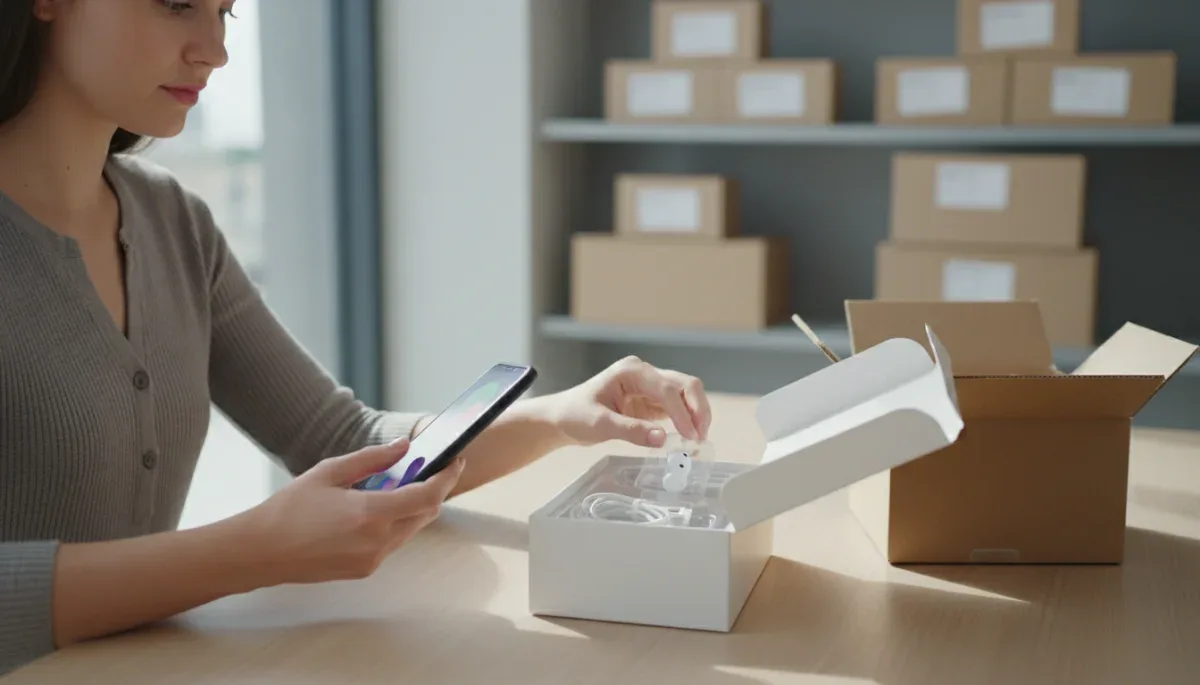
Open-box electronics are items where the original retail packaging has been opened. In most instances, these products were purchased by a consumer and returned within the standard return window due to buyer remorse, incorrect model selection, or minor setup issues rather than hardware failure. In other cases, open-box items served as in-store display models or shelf demonstration units.
Because open-box units are not disassembled or rebuilt, they generally retain their original factory components. Retail staff typically perform basic checks to ensure the unit turns on, resets to factory settings, and includes critical accessories like power cords and remote controls. Retailers such as Best Buy categorize open-box items into tiers ranging from excellent or certified to satisfactory and fair, based on packaging condition, minor cosmetic scuffs, and whether all non-essential accessories are present in the box.
Return windows and restocking fees across major retailers
Return policies for discounted electronics rarely mirror the generous terms found on standard retail goods. Standard return windows for electronics typically range between fourteen and thirty calendar days from delivery or purchase. The shorter timeframe exists because electronic values depreciate rapidly and retailers need to turn over returned stock quickly.
Restocking fees are another critical factor when returning opened merchandise. Several major retailers and marketplace sellers charge a restocking fee ranging from ten to fifteen percent of the purchase price on opened electronics, particularly for items like digital cameras, desktop computers, drones, and major home theater equipment. This fee is often deducted directly from your refund unless the return is due to a proven hardware defect or an error made by the seller. Always review the specific merchant return policy page before checking out, as third-party marketplace sellers frequently maintain stricter terms than the main hosting platform.
Warranty coverage and manufacturer protection
One of the clearest distinctions between refurbished and open-box items appears in the warranty documentation. Open-box items often carry whatever remains of the original manufacturer warranty, provided the retailer is an authorized distributor of that brand. If a previous owner purchased and registered the device months before returning it, the remaining manufacturer coverage might be shortened or already expired.
Refurbished goods usually operate on a separate, dedicated warranty structure:
Typical warranty formats
- Official manufacturer warranty: Official refurbishments from brands like Apple, Dell, or Nintendo generally include a full one-year standard limited warranty equivalent to brand-new units.
- Marketplace certified warranty: Certified programs on major platforms frequently provide one-year or two-year warranty coverage managed through specialized third-party administrators.
- Seller direct warranty: Independent refurbishers often provide shorter coverage periods, commonly lasting thirty, sixty, or ninety days from delivery.
Step-by-step checklist for testing unboxed tech immediately
Because return windows on discounted electronics can expire in as few as fourteen days, unboxing and testing your device immediately upon arrival is essential. Postponing hardware verification could leave you stuck with a malfunctioning device once the return window closes.
Immediate inspection protocol
- Check physical components: Examine the casing, ports, display glass, and hinges under bright light for undisclosed cracks, deep scratches, or signs of liquid contact.
- Verify internal serial numbers: Match the serial number displayed in the device operating system software with the number printed on the physical chassis and box.
- Test display and battery health: Check for dead pixels using single-color screen test pages, and verify battery cycle counts and maximum capacity through system settings.
- Confirm input and connectivity: Plug cables into every physical port, test all wireless connections including Wi-Fi and Bluetooth, and check built-in cameras, speakers, and microphones.
At a glance
| Purchase type | Key policy detail |
|---|---|
| Manufacturer refurbished | Backed by brand warranties, fresh diagnostic testing, and standard store return rules. |
| Third-party refurbished | Varying cosmetic grades with warranty terms managed by independent sellers or programs. |
| Open-box certified | Factory components preserved, original warranty duration depends on prior registration status. |
| Open-box clearance | Deepest price discount, higher chance of missing packaging, and strict return limits. |
Frequently asked questions
Can I return an open-box item if a part is missing?
Yes, if an essential accessory was listed as included but is missing upon delivery, you can return the item or request a replacement part. Retailers typically require you to report missing accessories within the standard return window, which is often fourteen to thirty days.
Are manufacturer refurbished products safer than third-party refurbished goods?
Manufacturer refurbished items generally offer greater reliability because the original manufacturer uses genuine components, updates system firmware, and includes comprehensive warranty support. Third-party refurbishers can offer great value, but their repair standards, testing equipment, and replacement part quality vary significantly across individual sellers.
Does buying open-box void the original manufacturer warranty?
Buying open-box does not automatically void the warranty if purchased from an authorized retailer. However, the warranty clock may have started when the original buyer purchased the unit, meaning you might receive less than the standard twelve months of remaining coverage.
What should I do if a refurbished item stops working after the return window closes?
If the store return period has ended, check your receipt for the included refurbishment warranty provider. File a claim directly with the warranty administrator or manufacturer, providing proof of purchase, the serial number, and a detailed description of the hardware defect.
The bottom line
Refurbished electronics provide repaired or certified reliability with structured warranty protections, while open-box items offer like-new hardware at reduced prices with varying warranty balances. Both options provide genuine savings if you understand the merchant terms. Before completing your purchase, always check the exact return window duration, confirm whether restocking fees apply to opened items, and test all device functions the day the package arrives.

Written by
Mariana Viana
Mariana Viana covers discounts and savings for S2YOU, from coupons and cashback to free-trial and sample programs. She compares offers and program rules across retailers, and checks every detail on the brand's official site before publishing.