Beyond Basics: 6 Creative Ways to Restyle Your Clothing Staples for 2026 Fashion
Advertisements
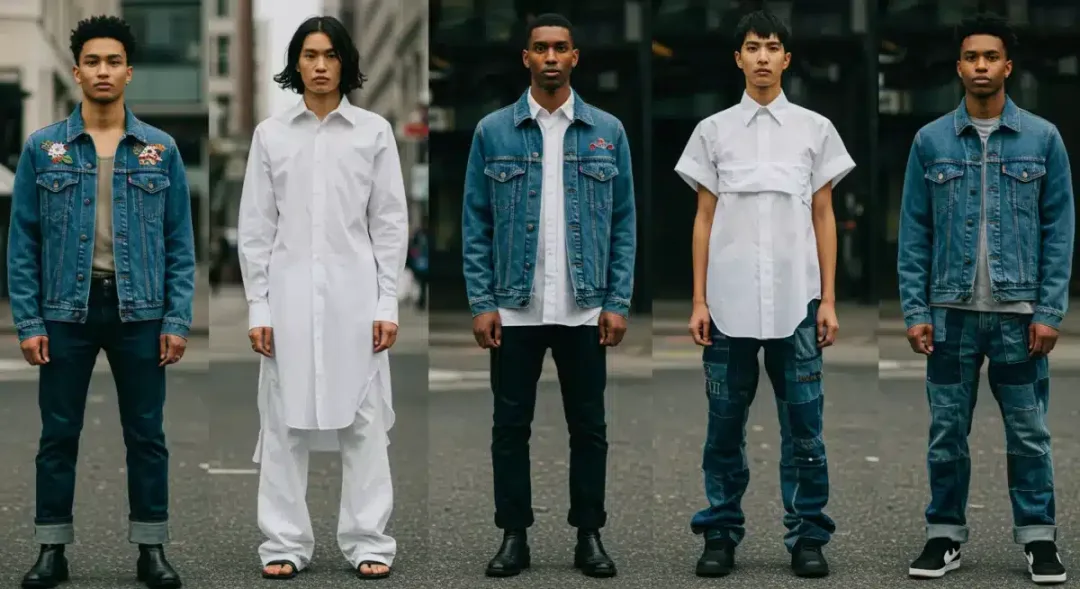
The fashion landscape for 2026 is evolving, emphasizing creativity and sustainability in personal style. This guide explores innovative approaches to restyle your existing clothing staples, offering practical tips.
It focuses on maximizing wardrobe versatility and embracing unique expressions, moving beyond conventional fashion consumption.
Readers will discover actionable strategies to update their look, ensuring relevance and individuality in upcoming trends.
Advertisements
Beyond Basics: 6 Creative Ways to Restyle Your Clothing Staples for 2026 Fashion is becoming a pivotal concept as consumers increasingly seek sustainability and individuality in their wardrobes. This shift prioritizes inventive methods to breathe new life into existing garments, moving away from fast fashion cycles.
Advertisements
The movement encourages a deeper connection with clothing, fostering personal expression through thoughtful transformation rather than constant acquisition. Understanding these creative approaches can significantly enhance one’s style while promoting environmental consciousness.
This article delves into practical, impactful strategies for anyone looking to refresh their look for 2026. It provides actionable insights into how to restyle clothing staples, ensuring your wardrobe remains contemporary and uniquely yours.
The Resurgence of Upcycling and Customization
Upcycling and customization are no longer niche activities but central pillars of future fashion, offering unique avenues to restyle clothing staples. This trend reflects a growing desire for originality and a conscious rejection of mass-produced uniformity.
Consumers are actively seeking ways to infuse their personality into their garments, transforming basic items into statement pieces. This approach extends the life of clothing and fosters a more sustainable fashion ecosystem.
Embracing these techniques allows individuals to craft a wardrobe that truly represents their aesthetic. It’s about making fashion personal again, one redesigned piece at a time, providing creative ways to restyle clothing staples.

DIY Embellishments for a Fresh Look
Adding embellishments is a simple yet effective way to dramatically alter the appearance of a garment. Think beads, sequins, patches, or embroidery to transform a plain item into something extraordinary.
Even a basic t-shirt or a pair of jeans can become a focal point with carefully chosen additions. This method provides endless possibilities for personalizing your wardrobe and demonstrating your unique flair.
- Experiment with fabric paints to create custom designs on denim jackets.
- Sew on vintage lace or appliques to refresh old blouses or skirts.
- Utilize iron-on patches to add character to plain sweaters or bags.
Deconstruction and Reconstruction Techniques
For those with a more adventurous spirit, deconstruction, and reconstruction offer radical ways to restyle clothing staples. This involves taking apart existing garments and reassembling them into entirely new forms.
Imagine turning an oversized shirt into a chic crop top or combining two different pieces to create a unique hybrid. This method requires a bit more skill but yields truly one-of-a-kind results.
It’s an art form that transforms discarded textiles into high fashion, challenging traditional notions of design. The results are often avant-garde and deeply personal, embodying the essence of creative ways to restyle clothing staples.
Strategic Layering for Versatility
Strategic layering is a powerful tool for maximizing the utility and aesthetic appeal of your wardrobe, providing diverse ways to restyle clothing staples. It allows for dynamic outfits that adapt to various climates and occasions, offering both comfort and style.
This technique transforms simple pieces into complex, visually interesting ensembles. By understanding how different textures and silhouettes interact, you can create a multitude of looks from a limited set of items.
Effective layering is about more than just adding warmth; it’s about creating depth and dimension in your outfits. It’s a key aspect of creative ways to restyle clothing staples for a sophisticated 2026 fashion sensibility.
Playing with Textures and Silhouettes
Combining different textures, such as silk with knitwear or leather with cotton, adds a rich sensory dimension to an outfit. Similarly, varying silhouettes, perhaps a fitted top under an oversized blazer, creates visual interest.
These contrasts prevent an outfit from looking flat and predictable, elevating simple garments to a higher fashion plane. It’s an artful way to subtly break fashion norms while maintaining elegance.
- Pair a delicate slip dress over a chunky knit sweater for an unexpected contrast.
- Layer a structured blazer over a fluid, flowing blouse to balance proportions.
- Combine denim with cashmere for a luxurious yet casual aesthetic.
Accessorizing to Transform Basic Outfits
Accessories are the unsung heroes of fashion, capable of completely changing an outfit’s vibe without altering the core garments. A statement necklace, a vibrant scarf, or a unique belt can instantly update a basic look.
These small additions provide a big impact, allowing you to transition an outfit from day to night or from casual to formal. It’s an accessible and cost-effective way to refresh your style regularly.
Choosing the right accessories is crucial for enhancing your personal brand. They are instrumental in demonstrating creative ways to restyle clothing staples, making each outfit feel new and exciting.
Innovative Dyeing and Fabric Treatments
Innovative dyeing and fabric treatments offer transformative possibilities for breathing new life into tired garments, providing exciting ways to restyle clothing staples. These techniques can dramatically alter the color, texture, and overall appearance of fabrics, making old clothes feel brand new.
From natural dyes derived from plants to advanced chemical treatments that create unique finishes, the options are vast. This approach aligns perfectly with sustainable fashion goals, reducing waste by revitalizing existing items.
Experimenting with these methods allows for a bespoke wardrobe that stands out. It’s an artistic endeavor that turns fabric into a canvas, showcasing creative ways to restyle clothing staples for a distinctive look.
Natural Dyes and Tie-Dye Techniques
Natural dyes, sourced from fruits, vegetables, and plants, offer an eco-friendly way to introduce new colors to your wardrobe. The results are often subtle and earthy, providing a unique aesthetic that synthetic dyes cannot replicate.
Tie-dye, a classic technique, is experiencing a modern resurgence, allowing for bold and artistic patterns. It’s an accessible method for anyone to try at home, transforming plain items into vibrant masterpieces.
- Use avocado pits for a delicate pink hue on cotton fabrics.
- Experiment with indigo for traditional blue patterns on natural fibers.
- Create unique tie-dye patterns on old white t-shirts or canvas bags.
Fabric Painting and Printing
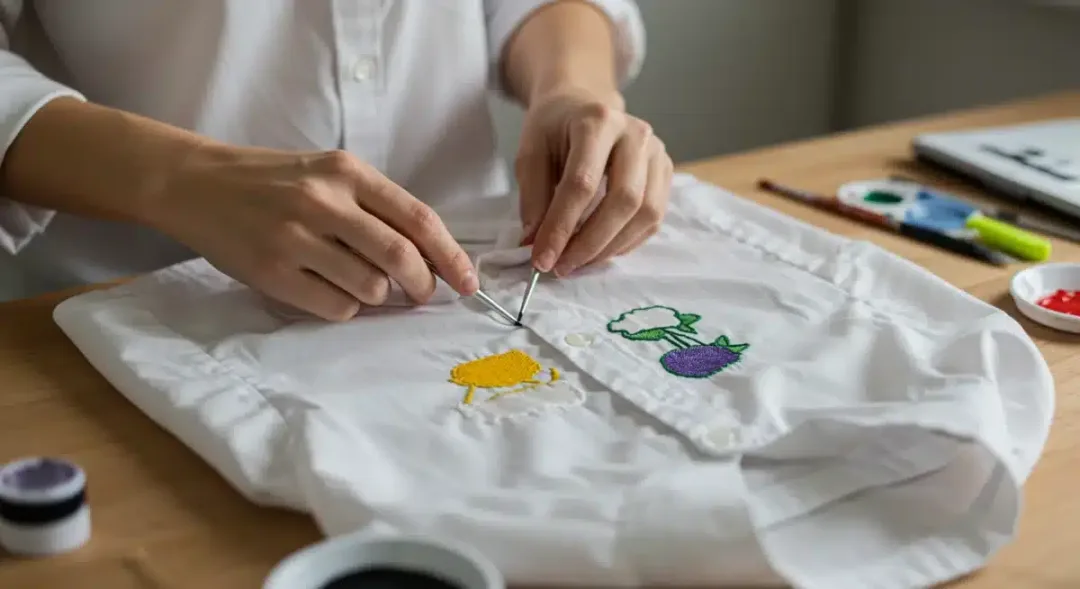
Fabric painting and printing techniques open up a world of artistic expression, enabling you to add custom graphics, patterns, or motifs to your clothing. This is an excellent way to personalize garments and make a strong visual statement.
Whether it’s hand-painting intricate designs or using stencils for geometric patterns, the possibilities are limited only by imagination. These methods allow you to literally wear your art, offering creative ways to restyle clothing staples.
They provide a platform for unique self-expression, ensuring your wardrobe is a true reflection of your artistic vision. This technique is especially effective for refreshing solid-colored items, turning them into eye-catching pieces.
Repurposing and Adaptability
Repurposing and adaptability are key strategies for a dynamic and sustainable wardrobe, offering practical ways to restyle clothing staples. This involves finding new functions for existing garments or adjusting them to suit different styles and occasions.
It’s about thinking outside the box and seeing the potential in every piece of clothing you own. This approach not only saves money but also reduces environmental impact by extending the lifecycle of garments.
Embracing repurposing means your wardrobe is constantly evolving, reflecting your creativity and resourcefulness. It’s a core principle for anyone aiming to master creative ways to restyle clothing staples for 2026 fashion.
Transforming Garments for New Uses
Consider how a garment can be altered to serve a completely different purpose. An old pair of jeans might become a stylish skirt, or a large scarf could be fashioned into a top.
These transformations require a bit of ingenuity but result in highly personalized and functional pieces. It’s about seeing beyond the original design and imagining new possibilities for your clothing.
- Convert an old dress into a two-piece set by cutting and hemming.
- Turn a worn-out denim jacket into a trendy vest.
- Repurpose an oversized men’s shirt into a chic shirtdress.
Modular Design and Convertible Pieces
The concept of modular design, where garments can be altered or combined in various ways, is gaining traction. This includes items with removable sleeves, adjustable hemlines, or pieces that can be worn in multiple configurations.
Convertible clothing offers incredible versatility, allowing a single item to serve several functions or create different looks. This approach is perfect for minimalist wardrobes and travel, maximizing utility.
Investing in or creating such pieces means your wardrobe works harder for you. It embodies the spirit of creative ways to restyle clothing staples, providing adaptability for any situation or style preference.
Vintage and Second-Hand Integration
Integrating vintage and second-hand finds is a cornerstone of modern fashion, providing unparalleled ways to restyle clothing staples. This practice not only champions sustainability but also injects unique character and history into contemporary wardrobes.
These pieces often boast superior quality and distinct designs that are hard to find in current retail. They offer an opportunity to curate a truly individual style, standing out from the crowd with authentic flair.
Embracing vintage means contributing to a circular fashion economy, reducing demand for new production and minimizing waste. It’s a smart and stylish method for anyone exploring creative ways to restyle clothing staples for 2026 fashion.
Curating Unique Pieces from the Past
Hunting for vintage treasures in thrift stores, consignment shops, or online marketplaces can yield truly exceptional finds. These pieces often have a story and a level of craftsmanship rarely seen today.
From retro jackets to classic dresses, vintage items can serve as statement pieces or foundational elements in a modern wardrobe. They provide an instant boost of individuality and charm to any outfit.
- Seek out vintage denim for unique washes and fits that are hard to replicate.
- Discover classic silk scarves to add a touch of elegance to any look.
- Find well-preserved leather goods for timeless accessories that endure.
Mixing Old with New for a Contemporary Edge
The art of blending vintage pieces with contemporary items creates a sophisticated and unique aesthetic. This juxtaposition of old and new demonstrates a keen eye for style and a confident approach to fashion.
Pair a vintage blazer with modern tailored trousers, or a retro graphic tee with a sleek new skirt. This fusion keeps your look fresh and prevents it from appearing either dated or overly trendy.
It’s about creating a harmonious balance that highlights the best of both worlds. This technique is central to creative ways to restyle clothing staples, ensuring your style is both current and timeless.
Mindful Consumption and Capsule Wardrobes
Mindful consumption and the adoption of capsule wardrobes are foundational shifts towards a more sustainable and intentional approach to fashion, offering a systematic way to restyle clothing staples. This philosophy encourages quality over quantity, focusing on versatile pieces that can be mixed and matched endlessly.
It’s about making conscious choices that align with personal values and environmental responsibility. A well-curated capsule wardrobe reduces decision fatigue and promotes a deeper appreciation for each item owned.
This strategic approach simplifies dressing while maximizing style potential, embodying the essence of creative ways to restyle clothing staples. It leads to a more organized, efficient, and impactful personal style.
Building a Versatile Core Wardrobe
A capsule wardrobe starts with a selection of high-quality, timeless pieces that form the backbone of your style. These are the versatile items that can be dressed up or down, serving multiple purposes.
Focus on neutral colors and classic silhouettes that won’t go out of style quickly. This foundation allows for endless outfit combinations and makes adding trendier pieces much easier without overhauling your entire wardrobe.
- Invest in a classic white button-down shirt that can be worn in multiple ways.
- Choose well-fitting denim in a versatile wash for everyday wear.
- Select a simple black dress that can be accessorized for various occasions.
The Role of Accessories in Capsule Wardrobes
In a capsule wardrobe, accessories become even more critical, acting as the primary tools for transforming and updating basic outfits. They provide the necessary variety and personality without requiring a large number of clothing items.
A few key accessories—like a statement belt, a colorful scarf, or unique jewelry—can dramatically alter the look and feel of an outfit. They allow you to express different moods and styles with the same core garments.
This strategic use of accessories is vital for maximizing the versatility of your capsule. It exemplifies creative ways to restyle clothing staples, ensuring your limited collection always feels fresh and exciting.
Personalizing Through Tailoring and Alterations
Personalizing through tailoring and alterations is an often-overlooked yet profoundly effective method to enhance and restyle clothing staples. A well-fitted garment not only looks better but also feels more luxurious and intentional, transforming basic items into bespoke pieces.
This approach moves beyond off-the-rack sizing, ensuring that clothes flatter your unique body shape. Tailoring can dramatically improve the longevity and wearability of your wardrobe, making each piece feel custom-made.
Investing in alterations is an investment in your personal style, providing a sophisticated way to achieve creative ways to restyle clothing staples. It elevates your entire look, reflecting attention to detail and a commitment to quality.
Achieving the Perfect Fit for Every Garment
Even the most expensive clothing can look ill-fitting if it’s not tailored to your specific measurements. Simple adjustments like hemming trousers, taking in a waist, or shortening sleeves can make a world of difference.
A perfect fit instantly elevates the perceived value and style of an item, making it look much more expensive than it actually is. This attention to detail is a hallmark of truly fashionable individuals.
- Have your trousers hemmed to the ideal length for your preferred footwear.
- Adjust the waist of skirts or pants for a flattering silhouette.
- Ensure jacket sleeves are the correct length to showcase your wrists and accessories.
Remodeling Old Clothes for Modern Silhouettes
Tailoring isn’t just about fit; it’s also about remodeling. An outdated silhouette can be transformed into a contemporary one with strategic alterations. Think about tapering wide-leg pants or modernizing an old jacket collar.
This creative approach allows you to update vintage finds or older pieces from your wardrobe, bringing them in line with current trends. It’s a sustainable way to keep your style current without buying new.
Remodeling is a powerful tool for achieving creative ways to restyle clothing staples, turning forgotten items into fresh, stylish additions. It showcases ingenuity and a forward-thinking approach to fashion.
| Key Technique | Description |
|---|---|
| Upcycling & Customization | Transforming old garments with embellishments, deconstruction, or reconstruction for unique style. |
| Strategic Layering | Combining textures and silhouettes, enhanced with accessories, to create versatile outfits. |
| Innovative Dyeing | Using natural dyes, tie-dye, or fabric paints to refresh colors and add custom patterns. |
| Personalized Tailoring | Altering garments for a perfect fit and remodeling old styles for modern appeal. |
Frequently Asked Questions About Restyling Staples
What are the most effective ways to restyle clothing staples for 2026 fashion?▼The most effective ways involve upcycling through embellishments and deconstruction, strategic layering with diverse textures, and innovative dyeing techniques. Incorporating vintage pieces and utilizing tailoring services also significantly enhances and refreshes existing garments, aligning with sustainable and personalized 2026 fashion trends.
How can I make my basic wardrobe items look unique?▼To make basic items unique, consider adding DIY embellishments like embroidery or patches. Experiment with fabric painting or tie-dye for custom patterns. Strategic layering with different textures and silhouettes, alongside thoughtful accessorizing, can also transform a simple outfit into a distinctive statement, reflecting your personal style.
Is sustainable fashion compatible with restyling clothing staples?▼Absolutely. Restyling clothing staples is a cornerstone of sustainable fashion. By extending the life of garments through creative alterations, upcycling, and repurposing, you reduce waste and decrease the demand for new production. This practice actively supports a circular economy and minimizes the environmental impact of the fashion industry.
What role do accessories play in creative clothing restyling?▼Accessories play a crucial role in creative clothing restyling. They can instantly change the mood and formality of an outfit without altering the core garment. A statement necklace, a colorful scarf, or a unique belt can transform a basic look, offering endless versatility and personalization options within a limited wardrobe.
How can tailoring help in updating my clothing for 2026 fashion?▼Tailoring is essential for updating your clothing. Achieving the perfect fit elevates any garment, making it look more modern and luxurious. Furthermore, strategic remodeling, such as adjusting silhouettes or updating details, can transform older pieces to align with current 2026 fashion trends, giving them a fresh and contemporary appeal.
Perspectives for 2026 Fashion
The emphasis on creative ways to restyle clothing staples signifies a lasting shift in consumer behavior and industry practices. This movement is not merely a passing trend but a fundamental reevaluation of how we interact with our wardrobes.
As 2026 approaches, expect to see continued innovation in textile treatments and a greater embrace of personalized fashion over mass-produced items. This will foster a more individualistic and environmentally conscious approach to style.
The future of fashion lies in creativity, sustainability, and personal expression. By adopting these strategies, individuals are not just updating their closets, but actively shaping a more responsible and exciting fashion landscape for years to come.

Written by
Maria Teixeira
Maria Teixeira covers clothing and shoes for S2YOU, from seasonal sales and sizing guides to free-trial and review programs run by fashion brands. She compares prices, return policies and program rules across retailers, and checks every detail on the brand's official site before publishing.