Sustainable Living at Home: Achieving a 20% Reduction in Energy Consumption by 2026
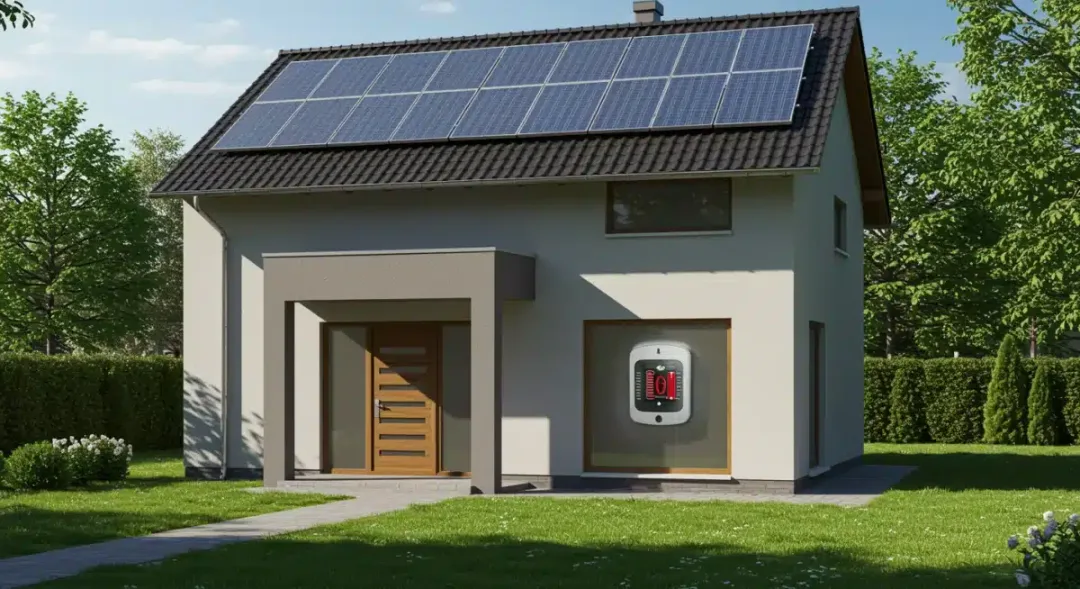
Advertisements
Latest developments on Sustainable Living at Home in 2026 show rising urgency as U.S. residential energy consumption continues to grow, with recent data indicating an 8.5% increase year-over-year in household energy use. This trend is pushing policymakers and homeowners to prioritize efficiency and reduction strategies.
Recent updates highlight a shift toward smart energy management systems, solar integration, and home automation as key drivers of consumption reduction. Experts confirm that technologies enabling real-time monitoring and optimized energy use are helping households move closer to a 20% reduction target.
Looking ahead, homeowners should monitor energy costs, policy incentives, and advancements in home efficiency technologies. Key factors include state-level programs, grid reliability, and the adoption of clean energy solutions, all of which will determine how achievable sustained energy reduction becomes across the U.S.
Advertisements
The National Imperative: Driving Down Home Energy Use
The United States is currently witnessing a significant push towards greater energy efficiency in residential sectors, driven by a combination of federal incentives, state-level initiatives, and growing public awareness. The ambitious target of achieving a 20% reduction in home energy consumption by 2026 is now a central focus for policymakers and environmental organizations alike.
Advertisements
This initiative not only aims to mitigate climate change impacts but also seeks to provide substantial economic benefits to homeowners through reduced utility bills. Experts emphasize that widespread adoption of sustainable practices is crucial for the nation’s energy security and long-term environmental health. The momentum behind Sustainable Living Energy Reduction is undeniable.
Recent reports from the Department of Energy indicate that residential energy consumption accounts for approximately 20% of the nation’s total energy use, making it a critical area for intervention. Addressing this sector effectively can yield significant results in the overall national energy strategy. The framework for Sustainable Living Energy Reduction is being solidified.
Smart Technology: The Core of Modern Energy Efficiency
The integration of smart home technologies stands as a cornerstone in the strategy for Sustainable Living at Home. These innovations offer unprecedented control and insight into household energy use, enabling homeowners to make informed decisions and automate efficiency.
From smart thermostats that learn occupancy patterns to intelligent lighting systems that adjust based on natural light, the technological landscape is rapidly evolving.
Adopting these tools is not merely about convenience; it is about precision management of energy resources. This proactive approach supports the broader goals of Sustainable Living Energy Reduction.

According to a recent study by the American Council for an Energy-Efficient Economy (ACEEE), homes equipped with smart energy management systems can see an average reduction of 10-15% in their annual energy consumption.
This data underscores the tangible benefits of investing in these advanced solutions as part of the overall Sustainable Living Energy Reduction effort.
Automating Temperature Control for Savings
Smart thermostats, such as those from Nest or Ecobee, are designed to optimize heating and cooling schedules based on real-time data, including weather forecasts and household routines. They eliminate energy waste by preventing heating or cooling of an empty home.
These devices often provide detailed energy reports, allowing users to track their consumption and identify areas for further improvement.
Their remote access capabilities also mean homeowners can adjust settings from anywhere, ensuring optimal comfort and efficiency. This contributes directly to Sustainable Living Energy Reduction.
- Program custom schedules for different days.
- Utilize geofencing to detect when residents are away.
- Receive alerts for unusual energy consumption.
- Integrate with other smart home devices for holistic control.
Intelligent Lighting Systems and Appliance Management
Smart lighting systems, featuring LED bulbs and motion sensors, dramatically reduce electricity usage compared to traditional incandescent or even CFL bulbs. They ensure lights are only on when and where needed, adapting to natural light levels.
Similarly, smart plugs and energy monitors allow homeowners to track the energy consumption of individual appliances and even remotely turn them off.
This capability helps combat ‘phantom load’, the electricity consumed by devices when they are turned off but still plugged in. These technologies are vital for Sustainable Living Energy Reduction.
Renewable Energy Integration: Powering Homes Sustainably
The push for Sustainable Living at Home is heavily reliant on the adoption of renewable energy sources, primarily solar power. Homeowners are increasingly turning to rooftop solar photovoltaic (PV) systems to generate their own clean electricity.
Federal tax credits, state incentives, and declining equipment costs have made solar energy more accessible and economically viable for a broader segment of the population. Installing solar panels not only reduces reliance on fossil fuels but also often leads to significant long-term savings on electricity bills. This directly supports the objectives of Sustainable Living Energy Reduction.
Data from the Solar Energy Industries Association (SEIA) indicates a steady increase in residential solar installations across the U.S., with millions of homes now partially or fully powered by solar. This trend is a key driver in achieving national energy reduction targets. The widespread adoption of these systems is a testament to the effectiveness of Sustainable Living Energy Reduction strategies.
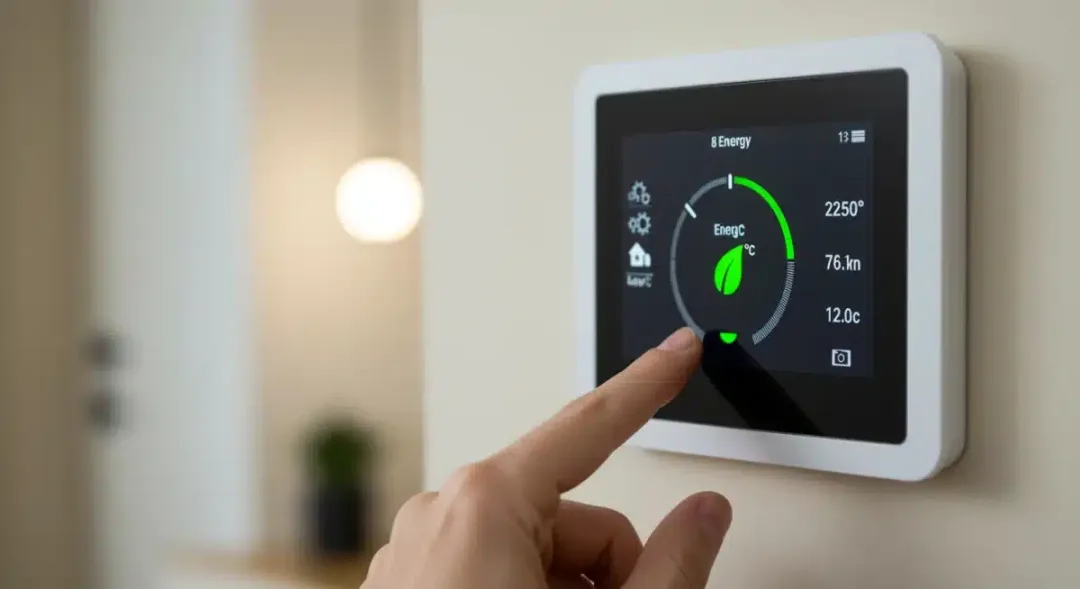
Solar Panels: A Direct Path to Energy Independence
Installing solar panels can offset a significant portion, if not all, of a home’s electricity consumption, depending on panel size, sunlight exposure, and household usage. Excess electricity generated can often be sold back to the grid through net metering programs.
Beyond the immediate financial benefits, solar energy contributes to a cleaner environment by reducing greenhouse gas emissions.
The long lifespan of solar systems, typically 25-30 years, ensures sustained energy savings and environmental impact. This is a crucial component of Sustainable Living Energy Reduction.
- Reduced or eliminated electricity bills.
- Increased home value with a clean energy system.
- Access to federal and state tax incentives.
- Contribution to a lower carbon footprint.
Exploring Other Renewable Options
While solar is the most prevalent, other renewable energy sources like small-scale wind turbines or geothermal heating and cooling systems are also viable options for some homeowners.
Geothermal systems, in particular, offer highly efficient heating and cooling by utilizing the stable temperature of the earth.
These alternatives, although sometimes requiring a higher upfront investment, offer substantial long-term energy savings and environmental benefits.
Evaluating these options can further enhance a home’s energy independence and contribute to the overall goal of Sustainable Living Energy Reduction. Diverse approaches strengthen the initiative.
Behavioral Changes: The Human Element of Reduction
Achieving the target of Sustainable Living at Home is not solely about technological upgrades; it also heavily relies on conscious behavioral changes from residents. Simple, consistent habits can collectively lead to substantial energy savings over time.
Educating household members on energy-saving practices, such as turning off lights when leaving a room or unplugging chargers, forms a critical part of the strategy. These small adjustments, when practiced universally, contribute significantly to the overall reduction goals. The human factor is indispensable for Sustainable Living Energy Reduction.
According to environmental psychologists, fostering a culture of energy awareness within the home can lead to sustained reductions in consumption, often without requiring significant financial investment. Encouraging mindful energy use is a cost-effective path to Sustainable Living Energy Reduction.
Mindful Appliance Use and Lighting Habits
Simple actions like washing clothes in cold water, air-drying laundry when possible, and running dishwashers only when full can drastically cut down on energy consumption. These habits reduce the load on energy-intensive appliances.
Similarly, maximizing natural light during the day and ensuring lights are switched off in unoccupied rooms are fundamental practices.
Replacing old incandescent bulbs with energy-efficient LEDs, even without a smart system, provides immediate savings. These practices reinforce Sustainable Living Energy Reduction.
Optimizing Heating and Cooling Practices
Adjusting thermostat settings by a few degrees seasonally can lead to considerable energy savings without sacrificing comfort.
For instance, setting the thermostat slightly higher in summer and lower in winter, especially when away from home, makes a big difference.
Proper ventilation and sealing drafts also play a crucial role in maintaining comfortable indoor temperatures without overworking HVAC systems.
These practical steps are integral to the success of Sustainable Living Energy Reduction. Consistent application yields the best results.
Home Insulation and Weatherization: Foundation for Efficiency
A fundamental aspect of Sustainable Living at Home involves optimizing a home’s envelope through proper insulation and weatherization. A well-sealed and insulated home retains heat in winter and coolness in summer, significantly reducing the energy demand for heating and cooling.
Investigations by the Environmental Protection Agency (EPA) consistently show that inadequate insulation and air leaks are major culprits behind energy waste in residential buildings. Addressing these issues provides a robust foundation for all other energy-saving efforts. This foundational work is key for Sustainable Living Energy Reduction.
Home energy audits can pinpoint specific areas where improvements are needed, guiding homeowners on the most impactful upgrades. Investing in these structural enhancements often yields the highest return on investment in terms of long-term energy savings. Prioritizing these upgrades is essential for Sustainable Living Energy Reduction.
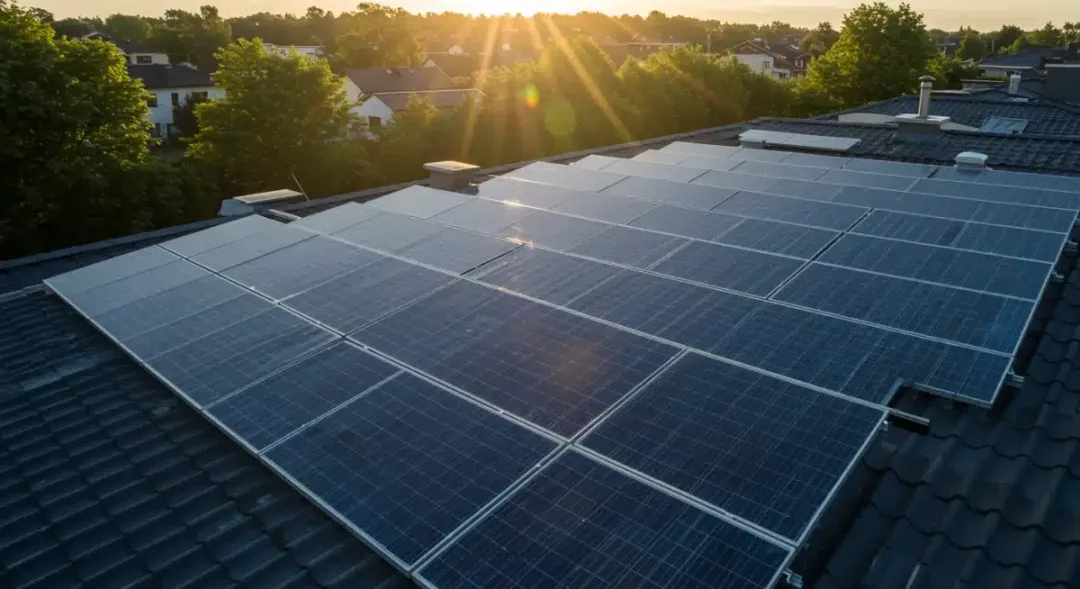
Sealing Air Leaks and Improving Insulation
Common areas for air leaks include windows, doors, electrical outlets, and plumbing penetrations.
Sealing these gaps with caulk, weatherstripping, or foam sealant can prevent significant energy loss. This simple, often DIY, task offers immediate benefits.
Upgrading attic, wall, and floor insulation to recommended R-values for the specific climate zone ensures that conditioned air remains inside the home.
This reduces the workload on HVAC systems, extending their lifespan and cutting energy costs. These improvements are critical for Sustainable Living Energy Reduction.
- Inspect windows and doors for drafts.
- Add insulation to attics and crawl spaces.
- Seal gaps around pipes and wires.
- Consider energy-efficient windows and doors.
Appliance Upgrades: Investing in Energy Star
Replacing old, inefficient appliances with Energy Star certified models is another powerful strategy for Sustainable Living at Home. Energy Star appliances are designed to consume significantly less energy than conventional models, often without compromising performance.
While the initial cost of a new appliance might be higher, the long-term savings on utility bills often outweigh this investment. The program provides clear labeling, making it easy for consumers to identify the most efficient products on the market. This makes the path to Sustainable Living Energy Reduction more accessible.
According to Energy Star, a household can save hundreds of dollars annually by upgrading to certified refrigerators, washing machines, and dishwashers. These savings accumulate over the lifespan of the appliance, contributing substantially to the overall reduction goal. Prioritizing Energy Star for Sustainable Living Energy Reduction is a smart financial move.
Choosing Efficient Refrigerators and Laundry Units
Refrigerators and freezers run continuously, making their energy efficiency paramount. Energy Star certified models use advanced insulation and cooling technologies to minimize power consumption. This translates to lower electricity bills year after year.
Similarly, Energy Star washing machines use less water and energy, reducing both utility costs and environmental impact.
Modern dryers also offer features like moisture sensors that automatically shut off when clothes are dry, preventing over-drying and wasted energy. These upgrades are vital for Sustainable Living Energy Reduction.
Water Heating Efficiency: A Hidden Energy Drain
Water heating is often one of the largest energy consumers in a typical American home, accounting for a significant portion of the total energy bill. Addressing this area is crucial for Sustainable Living at Home. Upgrading to more efficient water heating systems can yield considerable savings.
Traditional tank water heaters constantly heat a large volume of water, leading to standby energy losses. Newer technologies, such as tankless water heaters or heat pump water heaters, offer more efficient alternatives. These systems provide hot water on demand or extract heat from the air, respectively. Implementing these technologies is a key aspect of Sustainable Living Energy Reduction.
The Department of Energy estimates that heat pump water heaters can be two to three times more energy-efficient than conventional electric resistance water heaters. This makes them a highly attractive option for homeowners looking to make a substantial impact on their energy consumption. Optimizing water heating is a significant step towards Sustainable Living Energy Reduction.
Exploring Tankless and Heat Pump Water Heaters
Tankless water heaters only heat water when it’s needed, eliminating standby energy losses. While they have a higher upfront cost, their efficiency can lead to considerable long-term savings, especially for larger households.
This on-demand approach aligns perfectly with Sustainable Living Energy Reduction principles.
Heat pump water heaters move heat from the surrounding air to heat the water, making them incredibly efficient. They perform well in warmer climates or in basements where ambient temperatures are stable.
These systems represent a significant leap forward in home energy efficiency. Their adoption is central to Sustainable Living Energy Reduction.
- Reduce energy use by up to 50% with heat pump models.
- Eliminate standby losses with tankless systems.
- Consider solar water heaters for additional savings.
- Insulate existing water heater tanks and hot water pipes.
Government Incentives and Programs: Supporting Your Efforts
To accelerate the adoption of energy-efficient practices, various government incentives and programs are available to homeowners striving for Sustainable Living at Home. These initiatives aim to reduce the financial burden of upgrading homes and installing renewable energy systems.
Federal tax credits, such as the Investment Tax Credit for solar energy, can significantly offset installation costs.
State and local governments often offer their own rebates, grants, and low-interest loan programs for energy efficiency improvements. These programs are vital facilitators for Sustainable Living Energy Reduction.
Homeowners are encouraged to research available programs in their area, as eligibility criteria and benefits can vary widely.
Utilizing these resources can make the transition to a more energy-efficient home more affordable and accessible. Leveraging these supports is a smart move for achieving Sustainable Living Energy Reduction.
Federal Tax Credits and Rebates
The federal government provides tax credits for a range of energy-efficient home improvements, including solar panel installation, geothermal heat pumps, and certain energy-efficient windows and insulation. These credits directly reduce the amount of tax owed, making upgrades more attractive.
It is important for homeowners to consult with tax professionals to understand how these credits apply to their specific situation.
These incentives are a powerful tool in encouraging widespread participation in Sustainable Living Energy Reduction efforts. They lower the barrier to entry for many.
State and Local Programs
Many states and municipalities offer their own incentives, which can often be combined with federal programs for even greater savings.
These might include property tax exemptions for renewable energy systems, rebates for Energy Star appliances, or subsidized energy audits.
Checking local government websites or contacting utility providers can reveal a wealth of opportunities to save money while making homes more sustainable.
These localized programs play a crucial role in tailoring Sustainable Living Energy Reduction to specific regional needs and resources. Local support is invaluable.
| Key Point | Brief Description |
|---|---|
| Smart Technology | Automate energy use with thermostats and lighting for significant savings. |
| Renewable Energy | Install solar panels for clean electricity and reduced utility bills. |
| Behavioral Changes | Adopt energy-saving habits like mindful appliance use and lighting. |
| Insulation Upgrades | Seal air leaks and improve home insulation to maintain indoor temperatures. |
Frequently Asked Questions About Sustainable Living Home Energy Reduction
What is the primary goal of Sustainable Living at Home: Achieving a 20% Reduction in Energy Consumption by 2026?▼The main objective is to significantly lower residential energy consumption across the United States. This aims to reduce greenhouse gas emissions, decrease reliance on fossil fuels, and provide homeowners with substantial savings on their utility bills, fostering a more sustainable future for households nationwide.
What are the most impactful initial steps for homeowners?▼Homeowners should start with an energy audit to identify key areas for improvement. Sealing air leaks, upgrading insulation, and replacing inefficient light bulbs with LEDs are often low-cost, high-impact changes. These foundational steps pave the way for further reductions in energy use.
How do smart home technologies contribute to this reduction?▼Smart home technologies, such as programmable thermostats and intelligent lighting systems, automate energy management. They learn user preferences and optimize energy use based on occupancy and external conditions, leading to consistent and significant energy savings without constant manual adjustments. This is a critical aspect of Sustainable Living Energy Reduction.
Are there financial incentives for making energy-efficient upgrades?▼Yes, numerous federal, state, and local programs offer incentives. These can include tax credits for solar panel installations, rebates for Energy Star appliances, and grants for insulation upgrades. Homeowners should research available programs to offset the initial costs of their energy efficiency projects.
What role do behavioral changes play in achieving the 20% reduction?▼Behavioral changes are crucial and complement technological upgrades. Simple habits like turning off lights, unplugging unused electronics, and adjusting thermostat settings seasonally can collectively lead to substantial energy savings. Fostering an energy-conscious mindset within the household is key to sustained reduction efforts.
Looking Ahead: The Future of Home Energy
The initiative for Sustainable Living at Home marks a pivotal moment in the nation’s energy landscape. Its success hinges on a multi-faceted approach combining technological innovation, strategic home improvements, and a collective shift in consumer behavior.
The ongoing developments in smart home technology and renewable energy solutions promise to make these goals increasingly attainable. As policies evolve and public awareness grows, the trajectory towards a more energy-efficient and sustainable residential sector appears robust.
Monitoring legislative actions and new technological advancements will be crucial for homeowners and stakeholders alike.

Written by
Maria Teixeira
Maria Teixeira covers clothing and shoes for S2YOU, from seasonal sales and sizing guides to free-trial and review programs run by fashion brands. She compares prices, return policies and program rules across retailers, and checks every detail on the brand's official site before publishing.