
Advertisements
The resurgence of vintage fashion 2026 is redefining contemporary style by blending classic aesthetics with modern sensibilities.
This movement isn’t about mere replication; it’s a nuanced integration of retro influences—celebrating quality craftsmanship and unique silhouettes—into the modern wardrobe to create a harmonious blend of nostalgia and flair.
Understanding how to navigate this trend is essential for any fashion enthusiast. By mastering the art of strategic pairing and thoughtful curation, you can transform everyday outfits into timeless statements.
Advertisements
Our guide explores the key decades shaping vintage fashion 2026 and provides actionable strategies for incorporating these retro touches into your daily attire.
The Enduring Appeal of Retro Influences in 2026
The magnetic pull of retro influences in 2026 stems from a desire for individuality and sustainability in an increasingly fast-paced fashion cycle.
Advertisements
Consumers are seeking pieces with character and a story, moving beyond disposable trends towards items that stand the test of time.
This trend reflects a broader cultural shift towards conscious consumption, where the value of an item is measured not just by its newness but by its longevity and unique aesthetic.
Vintage pieces, by their very nature, embody these qualities, offering a distinct alternative to mass-produced clothing.
The integration of retro elements allows for a personalized style narrative, enabling individuals to express their creativity and appreciation for fashion history.
This approach to vintage fashion 2026 empowers wearers to curate wardrobes that are both fashionable and deeply personal.
Key Decades Shaping Vintage Fashion 2026
Several pivotal decades are particularly influential in shaping vintage fashion 2026, each contributing distinct silhouettes, patterns, and textures. Understanding these eras is crucial for effective integration into modern outfits.
The 1970s, with its bohemian spirit and disco glam, continues to inspire with wide-leg trousers, floral prints, and rich textures like corduroy and suede. The relaxed yet sophisticated vibe of this decade offers versatile options for contemporary styling.
Similarly, the structured power dressing of the 1980s, characterized by strong shoulders, bold colors, and tailored blazers, is making a significant comeback.
This era provides a foundation for assertive and polished looks that resonate with today’s professional and casual environments.
1970s Revival: Boho Chic Meets Modern Edge
The 1970s revival brings a relaxed elegance to modern wardrobes, emphasizing comfort without sacrificing style.
Key pieces from this decade include flared jeans, flowy maxi dresses, and peasant blouses, which can be effortlessly styled for a contemporary look.
To integrate these elements, consider pairing a vintage-inspired floral top with sleek, modern trousers or a tailored blazer. The contrast between the free-spirited 70s aesthetic and sharp modern lines creates an intriguing visual balance.
- Flared denim and wide-leg pants
- Bohemian blouses and tunics
- Suede or corduroy textures
- Geometric and paisley prints
1980s Power Dressing: Structured Silhouettes for Today
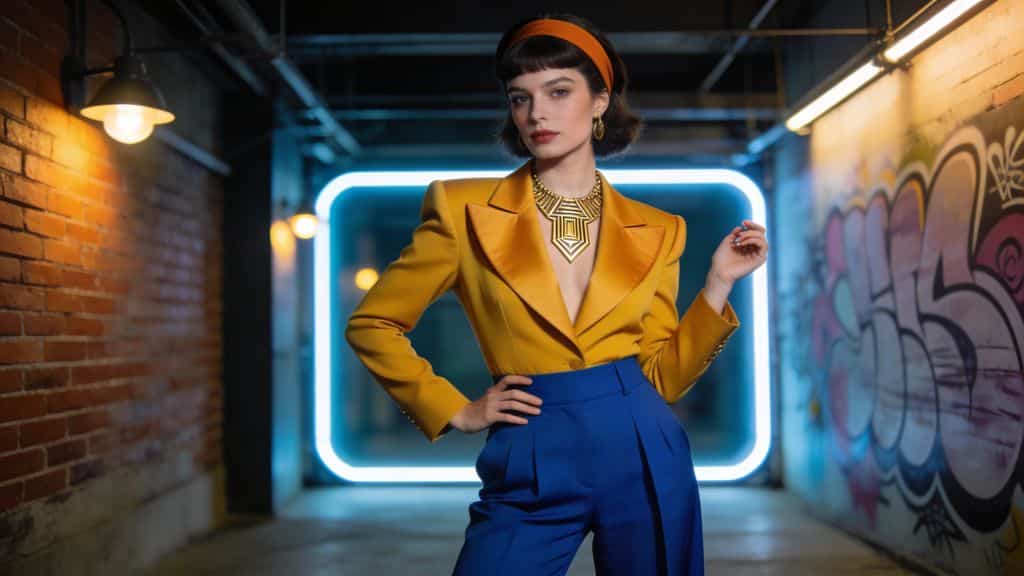
The assertive glamour of the 1980s is re-emerging with a focus on strong, defined silhouettes that exude confidence. Think oversized blazers with padded shoulders, high-waisted trousers, and bold, vibrant colors.
This resurgence in vintage fashion 2026 allows for a sophisticated yet impactful statement. Modern interpretations often involve pairing these structured pieces with minimalist accessories and contemporary footwear to avoid an overly thematic look.
- Oversized blazers with shoulder pads
- High-waisted, pleated trousers
- Vibrant jewel tones and neon accents
- Bold accessories like statement earrings
Integrating Vintage Pieces into Your 2026 Wardrobe
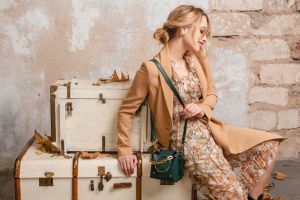
Successfully integrating vintage pieces into your 2026 wardrobe requires a thoughtful approach, focusing on balance and personal style. The goal is to create a cohesive outfit that feels current, not dated.
Start by identifying key vintage items that genuinely appeal to you and complement your existing wardrobe. A single statement piece can often elevate an entire outfit, making a strong impact without overwhelming the look.
Consider the fabric, fit, and condition of vintage items carefully. Sometimes, minor alterations can transform a good find into a perfect fit, making it feel more bespoke and modern. This is a crucial aspect of embracing vintage fashion 2026 effectively.
Mixing and Matching: The Art of Contrast
The art of contrast is central to modernizing vintage pieces. Pairing a delicate, lace-trimmed blouse from the 1940s with rugged denim jeans or a sleek leather skirt creates an unexpected and stylish juxtaposition.
Similarly, a structured vintage jacket can be softened by layering it over a contemporary knit top or a flowing dress. This interplay of textures and eras is what makes vintage fashion 2026 so dynamic and appealing.
Experiment with different combinations to discover what resonates with your personal aesthetic. The most successful outfits often arise from fearless experimentation and a willingness to break traditional styling rules.
Accessorizing with Retro Flair
Accessories play a pivotal role in infusing retro flair into modern outfits without committing to a full vintage look. A carefully chosen vintage handbag, a pair of statement earrings, or a classic scarf can instantly elevate an ensemble.
Think about the smaller details that can make a big impact.
A wide belt from the 1960s cinching a modern dress, or a pair of cat-eye sunglasses from the 1950s, can add a touch of old-world charm to a contemporary outfit, reflecting the essence of vintage fashion 2026.
These subtle nods to the past allow for versatility and ease of integration, making vintage elements accessible to everyone. The judicious use of accessories ensures a polished and intentional look.
Sustainable Style: Vintage as a Conscious Choice

Embracing vintage fashion 2026 is inherently a sustainable choice, contributing positively to environmental efforts within the fashion industry. By extending the life cycle of clothing, consumers reduce waste and decrease demand for new production.
This conscious approach to dressing aligns with a growing global awareness of environmental impact. Opting for vintage pieces over newly manufactured items helps to lessen the carbon footprint associated with textile production and disposal.
Furthermore, investing in vintage clothing often means acquiring garments made with higher quality materials and construction techniques than many fast fashion alternatives.
This durability ensures a longer lifespan for the garments, reinforcing the sustainable aspect of vintage fashion 2026.
Navigating Trends within Vintage Fashion 2026
Even within the realm of vintage fashion 2026, certain trends emerge and evolve, guiding enthusiasts towards particular eras or styles. Staying informed about these micro-trends can help refine your vintage hunting and styling strategies.
Currently, there’s a strong lean towards authentic, well-preserved pieces from the 1960s and 1990s, alongside the 70s and 80s influences. The emphasis is on items that offer both historical integrity and contemporary wearability.
Monitoring fashion publications, social media, and vintage markets provides valuable insights into which retro aesthetics are gaining traction. This informed approach ensures your integration of vintage fashion 2026 remains both authentic and current.
The Future of Retro: Vintage Fashion’s Evolution
The future of retro is not about static replication but a dynamic evolution, where past styles continually inspire new interpretations. Vintage fashion 2026 is merely a snapshot of this ongoing dialogue between history and innovation.
Designers are increasingly looking to archival pieces for inspiration, reinterpreting classic cuts and motifs for a modern audience. This creative process ensures that retro influences remain fresh and relevant, continually surprising and delighting fashion followers.
As sustainability becomes an even greater imperative, the role of vintage clothing is expected to grow, becoming an even more central pillar of personal and collective style.
The enduring appeal of vintage fashion 2026 lies in its ability to offer both unique aesthetic value and a responsible consumption model.
| Key Aspect | Brief Description |
|---|---|
| Decade Influence | 70s bohemian and 80s power dressing are key for vintage fashion 2026. |
| Integration Strategy | Mix vintage with modern pieces, focusing on contrast and balance. |
| Accessory Power | Retro accessories instantly elevate outfits without full vintage commitment. |
| Sustainable Choice | Embracing vintage reduces waste and promotes conscious consumption. |
Frequently Asked Questions About Vintage Fashion 2026
Vintage fashion 2026 refers to the current trend of integrating historical clothing styles, primarily from the 1970s and 1980s, into modern attire. It emphasizes sustainability, individuality, and a blend of old and new aesthetics, moving beyond simple replication to thoughtful integration.
Begin with key statement pieces like a vintage blazer, a unique scarf, or a retro handbag. Pair these with contemporary items to create balance. Focus on one or two vintage elements per outfit to avoid a costume-like appearance, embracing the spirit of vintage fashion 2026.
The 1970s, with its bohemian and disco influences, and the 1980s, known for power dressing and bold silhouettes, are particularly dominant. These eras offer versatile and impactful styles that are easily adapted to modern sensibilities within vintage fashion 2026.
Absolutely. Opting for vintage items significantly reduces textile waste and the environmental impact of new clothing production. It promotes a circular economy and encourages consumers to invest in durable, high-quality pieces, making vintage fashion 2026 an eco-conscious decision.
Avoid wearing too many vintage pieces at once, which can look overwhelming. Ensure the vintage items are well-maintained and fit properly, as ill-fitting clothes can detract from the overall look. Balance is key to successfully integrating vintage fashion 2026 into your daily style.
Looking Ahead: The Evolving Landscape of Vintage Fashion
The trajectory of vintage fashion 2026 indicates a continuous evolution, moving beyond simple nostalgia to a sophisticated blend of past and present.
This trend underscores a broader societal shift towards authenticity, sustainability, and personal expression in dressing, as modern enthusiasts look to history to define their future style.
As consumers become more discerning, the demand for unique, high-quality, and ethically sourced garments will only intensify.
This positions vintage clothing not as a fleeting trend, but as an integral component of a forward-thinking fashion philosophy.
The ongoing dialogue between historical aesthetics and contemporary design ensures that the integration of retro influences will remain a dynamic and exciting aspect of style for years to come.
Staying attuned to these developments will be key for navigating the ever-changing world of vintage fashion 2026.
If you are looking to start your own collection or find high-quality reproductions that capture these timeless aesthetics, explore the curated selections at Unique Vintage.
