
Acrylic vs wool sweaters: warmth and pilling compared
Advertisements
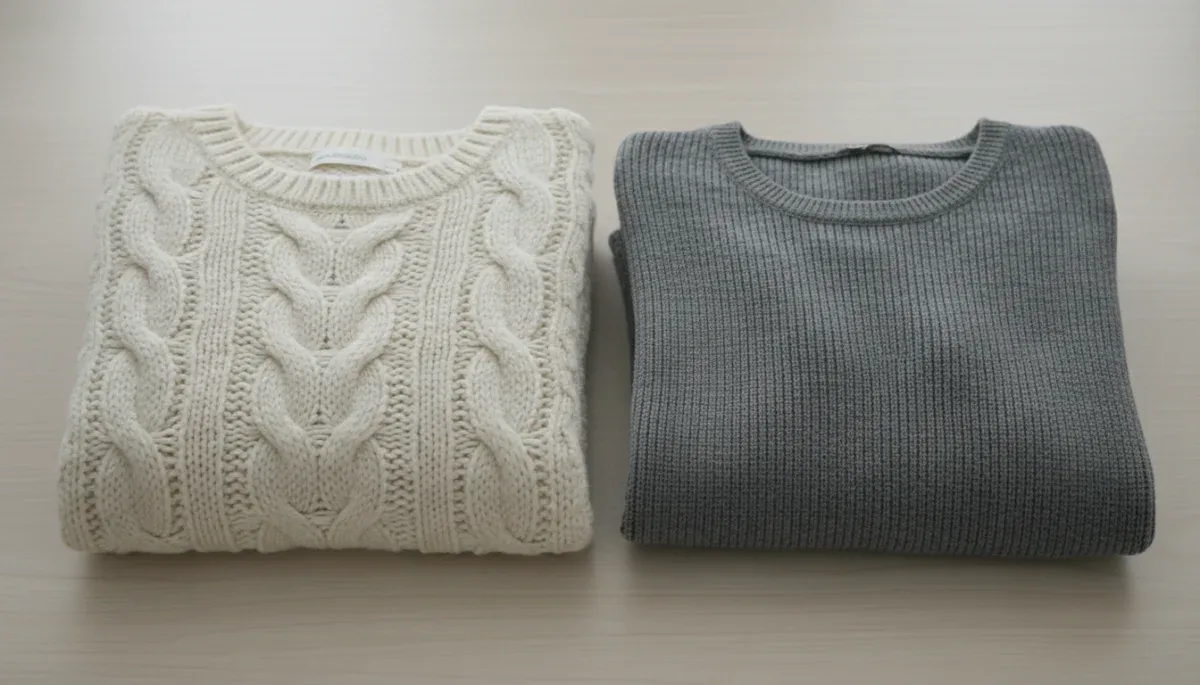
Wool sweaters provide superior insulation in fluctuating temperatures and resist pilling better when spun from high-twist yarns, while acrylic sweaters offer a lightweight, budget-friendly alternative that traps heat effectively in dry cold. When shopping for knitwear online, knowing how these two fibers behave under friction and humidity helps you avoid pieces that pill after a single wash or leave you clammy indoors.
This comparison helps shoppers evaluating affordable fall and winter garments navigate the differences between natural animal protein fibers and manufactured petroleum-based synthetics. The main tradeoff comes down to long-term fiber stability versus initial price, as acrylic provides immediate affordability at the expense of breathability and fiber recovery.
How acrylic and wool fibers differ at a microscopic level
Wool is an organic protein fiber derived primarily from domestic sheep, composed mainly of keratin, the same fibrous structural protein found in human hair and nails. Under a microscope, each wool fiber features an overlapping outer layer of microscopic scales called the cuticle. Below the cuticle lies the cortex, which contains billions of coiled polypeptide chains. This natural architectural crimp introduces natural elasticity, allowing wool fibers to stretch by roughly twenty-five to thirty percent of their dry length without breaking before snapping back into place. The spaces between these natural microscopic crimps trap dead air, which acts as a thermal buffer between your skin and the ambient outdoor environment.
Advertisements
In contrast, acrylic is a synthetic polymer fiber created through the polymerization of acrylonitrile, a petrochemical derivative. The Federal Trade Commission defines acrylic fiber as any manufactured fiber in which the fiber-forming substance is any long-chain synthetic polymer composed of at least eighty-five percent by weight of acrylonitrile units. The liquid chemical polymer is forced through tiny holes in a mechanical spinneret and solidified through either wet or dry spinning techniques. This production creates smooth, uniform filaments that lack natural scales or protein structures. To mimic the loft and warmth of animal hair, manufacturers crimp and cut these continuous chemical filaments into short staple lengths before spinning them into yarn.
Advertisements
These distinct origins explain how each yarn performs under physical stress and heat. Wool has inherent molecular memory from its complex protein matrix, meaning the yarn relaxes and springs back when rested between wearings. Acrylic filaments rely purely on the mechanical crimp stamped into the plastic during extrusion. Over time and through repeated wash cycles, this heat-set crimp gradually straightens out, leading to loose yarn structures and lost shape.
Thermal insulation and warmth retention in cold conditions
When comparing warmth, both fibers trap ambient body heat, but they perform very differently depending on activity levels and air humidity. Acrylic fibers have a low thermal conductivity rate, which makes them efficient insulators in bone-dry environments. A thick acrylic knit feels warm almost immediately upon contact because the synthetic filaments do not draw heat away from the skin. For sitting at a desk or walking short distances in crisp, dry weather, acrylic keeps the upper body well insulated without adding physical weight.
Wool performs its thermal insulation through a complex thermodynamic interaction with moisture vapor. Wool is naturally hygroscopic, capable of absorbing up to thirty percent of its own weight in water vapor without feeling damp to the touch. When atmospheric moisture enters the inner core of the wool fiber, the hydrogen bonds of water break and reform with the keratin molecules, releasing a measurable amount of heat known as the heat of sorption. This means a wool sweater actually generates subtle warmth when you transition from a dry heated apartment into freezing, damp outdoor air.
The primary drawback of acrylic emerges when body heat leads to light perspiration. Because acrylic has a moisture regain rate of under two percent, it cannot absorb water vapor from your skin. Perspiration remains trapped on the surface of your skin and between the synthetic yarns, leading to a clammy microclimate. Once you stop moving or step into a drafty area, that trapped liquid moisture cools down rapidly, creating a sudden chill that natural wool avoids by quietly venting excess water vapor.
Pilling and surface wear: why fuzz balls form on knits
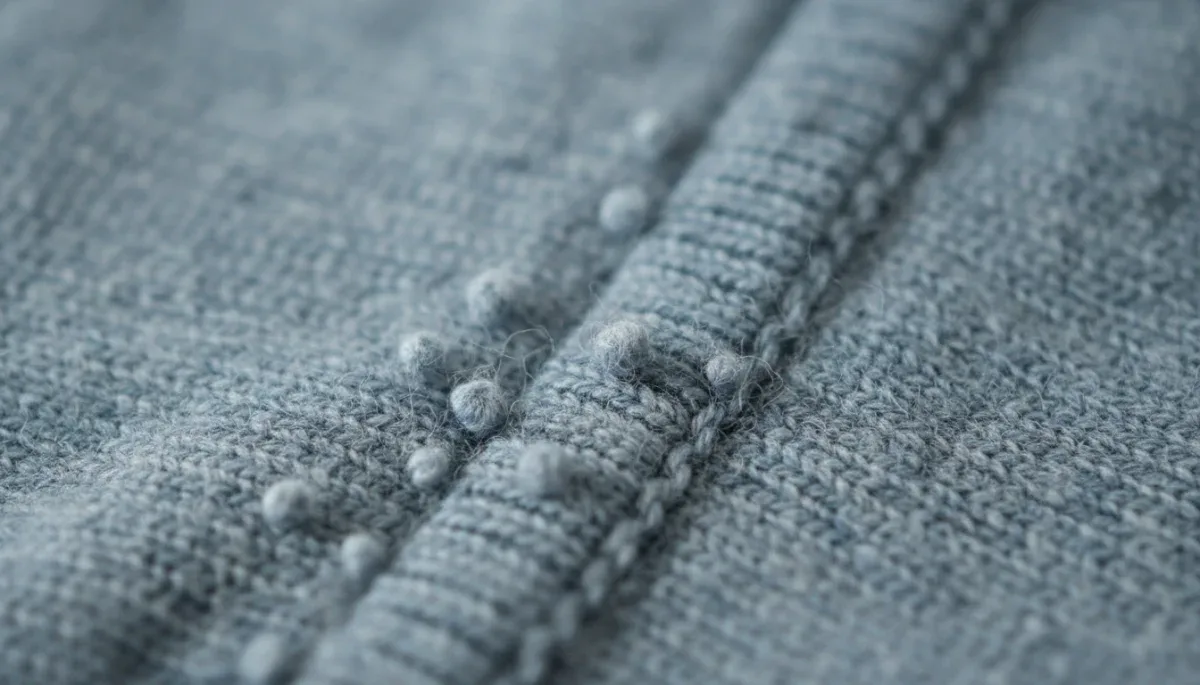
Pilling occurs when surface friction causes loose, broken fiber ends to migrate out of the yarn core, entangle with one another, and twist into small spherical knots. Every staple-spun knitwear piece is susceptible to some degree of pilling, but the structural strength of the underlying fiber determines whether those pills stay permanently attached or break away naturally.
Acrylic sweaters are widely known for aggressive, stubborn pilling. Because acrylic is a tough synthetic plastic filament, its tensile strength and resistance to flexing are remarkably high. When short acrylic fibers work their way loose from the yarn bundle through friction at the underarms, chest, or cuffs, they do not break off easily. Instead, the resilient synthetic fibers firmly anchor the resulting fuzz ball to the sweater surface. Over several weeks of wear, an acrylic sweater can develop an uneven layer of hard, dense pills that are difficult to dislodge without an electric fabric shaver.
Wool sweaters also generate fuzz balls, particularly when knit from low-twist yarns or shorter-staple sheep fleece, but their behavior over time is different. Wool scales create friction that can cause initial entanglement, but the fiber itself has relatively low flex durability compared to industrial plastics. As you brush against your coat, bag strap, or furniture, the fragile wool stalks holding the pills eventually fatigue, snap, and fall off during everyday movement or gentle brushing. Higher-end wool garments made with combed worsted yarns minimize this issue entirely by using long, parallel fibers tightly twisted to prevent loose ends from escaping.
Practical steps to reduce sweater pilling
- Turn garments inside out prior to laundering to isolate the exterior knit face from mechanical friction against washer walls.
- Use a fine-tooth sweater comb or manual pumice stone on natural wool instead of pulling pills off with bare fingers, which stretches neighboring yarn loops.
- Reserve battery-powered rotary fabric shavers for synthetic acrylic pieces, keeping the blade plane perfectly flat against a firm tabletop to prevent fabric punctures.
- Avoid carrying heavy canvas tote bags or textured backpacks directly over loosely knit sweaters to limit localized abrasion along the shoulder seam.
Moisture absorption, breathability, and odor control
A sweater's ability to maintain a comfortable personal climate depends largely on moisture transport and breathability. Acrylic creates a barrier effect because synthetic petrochemical fibers are inherently hydrophobic. When you wear an acrylic sweater under a heavy winter parka during a brisk walk or an indoor subway commute, body vapor has nowhere to escape. The condensation pools against the skin, saturating your base layer and causing discomfort.
In addition to moisture retention, acrylic fibers interact unfavorably with skin microbiota. Research on textile microbiology demonstrates that synthetic hydrophobic surfaces offer an ideal attachment zone for bacterial colonization. The micrococci bacteria responsible for breaking down fatty acids in human sweat adhere firmly to synthetic fibers like polyester and acrylic. Because acrylic cannot be washed safely in high heat without warping, these odor-producing compounds tend to lock into the synthetic plastic matrix, leading to persistent underarm odors that return shortly after the garment is put on.
Wool naturally deters odor build-up through its complex physical and chemical makeup. The hydrophobic exterior cuticle repels liquid droplets, while the hydrophilic interior cortex draws in vapor, keeping the skin surface dry. In an environment without standing moisture, bacteria reproduce far more slowly. Furthermore, wool contains trace natural lanolin and features an acidic internal chemical environment that binds volatile organic compounds, holding odors within the fiber structure until released during a standard water rinse. As a result, a wool sweater rarely requires laundering after every wear; hanging it on a breathable cedar hanger or airing it outdoors over a chair back is usually sufficient to refresh the fabric.
Washing, drying, and seasonal sweater maintenance
Care requirements are often the decisive factor when shoppers choose between acrylic vs wool sweaters. Acrylic is an exceptionally low-maintenance fabric that withstands regular mechanical washing without catastrophic shrinking. Most acrylic garments can go directly into a standard home washing machine on a delicate or permanent press cycle using warm or cold water. Because synthetic plastics do not shrink from water contact, you run very little risk of turning an adult medium into a children's size through an inadvertent wash cycle.
However, acrylic possesses a low glass transition temperature, meaning its plastic polymers soften and warp when exposed to high heat. Tossing an acrylic sweater into a hot commercial dryer can cause permanent stretching, known as "killing" the acrylic, which leaves the yarn limp, shiny, and structurally warped. Once an acrylic sweater has been exposed to extreme dryer temperatures, its original elastic memory cannot be chemically or physically restored. Flat drying on a mesh rack away from direct radiators is the safest method to keep synthetic garments in shape.
Wool demands deliberate attention because of felting shrinkage. When wool is agitated in warm water with alkaline detergents, the microscopic cuticle scales on adjacent fibers flare open, snag on each other, and interlock irreversibly. This mechanical agitation compacts the yarn, resulting in a thick, stiff, felted piece that shrinks substantially. Unless a wool garment is specifically labeled as "machine-washable" or "superwash"—meaning the scales have been chemically stripped or coated with a fine polymer—it must be submerged gently by hand in lukewarm water using a pH-neutral wool wash, pressed flat in a dry towel to extract water, and reshaped on a horizontal surface.
Key maintenance rules for both materials
- Check the garment wash tag for the specific symbol indicating machine washing versus hand-washing before submerging any knit piece.
- Never hang heavy wet sweaters from standard wire or plastic hangers, as the concentrated water weight will stretch shoulder seams permanently.
- Store natural wool knits in breathable zip cotton bins with lavender sachets or cedar blocks to guard against textile moth larvae during summer months.
- Keep acrylic sweaters away from high heat sources, including electric clothes irons and hot-cycle drying machines, to avoid melting delicate synthetic filaments.
Cost, lifespan, and overall value for everyday wear
Price points at major retail chains frequently draw shoppers toward synthetic knitwear. An entry-level acrylic sweater on fast-fashion platforms or department store discount racks often retails between fifteen and thirty-five dollars. For individuals seeking rapid wardrobe updates, seasonal trend testing, or knits that require zero specialized laundry routines, acrylic provides functional visual appeal and acceptable wind resistance at a low barrier to entry.
Wool commands a higher initial price due to the agricultural realities of livestock management, shearing, scouring, carding, and spinning natural animal fleeces. Entry-level merino wool knits typically begin around fifty to eighty dollars, while higher-grade lambswool, Shetland wool, or heavy virgin wool sweaters range well above one hundred dollars. Despite this higher retail cost, wool garments possess a significantly longer structural lifespan when cared for according to label instructions. A well-constructed wool sweater can retain its drape, loft, and thermal integrity for a decade or more, whereas a budget acrylic piece often shows heavy surface wear, fuzzing, and seam distortion within one to two seasons of routine laundry.
When assessing overall value, shoppers should weigh their laundry habits and environmental priorities against their initial shopping budget. Acrylic requires less effort on laundry day but sheds microplastic fibers during mechanical washing and will not biodegrade at the end of its useful life. Wool demands gentle laundering and careful off-season storage, but its biodegradable natural fiber, superior thermal breathability, and resilient longevity offer a lower cost per wear over years of regular winter use.
At a glance
| Factor | What to know |
|---|---|
| Warmth and insulation | Wool regulates temperature actively in damp and dry air, while acrylic insulates well only in dry conditions. |
| Pilling behavior | Acrylic pills hold fast due to high tensile strength, while wool pills break away more easily over time. |
| Odor and breathability | Wool naturally resists bacterial odor and breathes freely, whereas acrylic traps sweat vapor and holds odors. |
| Laundry care requirements | Acrylic tolerates machine washing without shrinking, while untreated wool requires gentle hand washing. |
Frequently asked questions
Is acrylic warmer than 100 percent wool?
No, wool is generally warmer than acrylic across variable weather conditions. While thick acrylic knits trap heat effectively in dry indoor spaces, wool generates subtle heat during moisture absorption and insulates reliably even when wet, making it noticeably warmer in freezing damp winds.
Why does my acrylic sweater pill so quickly?
Acrylic sweaters pill rapidly because the synthetic staple fibers work loose during routine arm friction and do not snap off. Acrylic is a strong plastic polymer, so loose fibers twist into hard fuzz balls that remain permanently tethered to the garment surface.
Can you stop wool sweaters from feeling itchy?
Yes, you can minimize wool scratchiness by wearing a soft cotton base layer beneath the sweater. The prickle sensation is caused by coarse fiber diameter rather than an allergy; finer grades like merino wool feature microscopic fiber tips that bend comfortably against the skin.
Can an acrylic sweater shrink in the washing machine?
No, acrylic sweaters will not shrink from exposure to water agitation in a washing machine. However, excessive heat from hot wash cycles or automated tumble dryers can soften the synthetic plastic fibers, causing the knit to stretch out of shape permanently.
The bottom line
Choosing between acrylic vs wool sweaters comes down to whether you prioritize easy laundry care and lower upfront prices or long-term durability, odor resistance, and breathability. Acrylic functions well for casual, low-budget trend pieces you want to toss in the washing machine, whereas wool is an enduring investment for genuine warmth across cold winter days. Before buying any sweater online, inspect the published fabric composition tag to confirm whether the garment is pure fiber or a blend.

Written by
Lucas Bastos
Lucas Bastos covers electronics and gadgets for S2YOU, from audio, smart-home and phone accessories to product-testing programs for tech. He compares specs, prices and return policies across retailers, and checks every detail on the brand's official site before publishing.