
How Black Friday Price Matching Policies Work Online

Advertisements
During major holiday promotional events, standard store price matching policies are almost universally modified or temporarily suspended by major retailers. Most nationwide sellers pause their standard guarantees against competing websites starting the Sunday before Thanksgiving through Cyber Week, meaning they will not lower their checkout price simply because a rival retailer lists the same product for less.
This rule protects retail profit margins during high-volume sales, but shoppers who understand the policy mechanics can still save money through internal price adjustments and extended return windows. The key limitation is that qualification requirements become significantly stricter during November and December, requiring exact model matching and adherence to specific calendar cutoffs.
The standard holiday price matching blackout
Throughout most of the year, major consumer electronics, home goods, and general merchandise retailers offer price match guarantees to prevent customers from buying elsewhere. Under regular terms, an associate or online customer service agent verifies a competitor's live product page and matches the price at the time of purchase. When holiday promotional schedules begin, retailers implement explicit exception clauses published in their terms of service.
Advertisements
These policy suspensions typically apply to promotional events labeled as early Black Friday deals, Thanksgiving Day specials, doorbusters, and Cyber Monday promotions. Retailers classify these limited-time prices as special event pricing rather than standard everyday retail pricing. As a result, customer service software often blocks manual overrides for price differences during these designated sales dates.
Advertisements
Common holiday policy exclusions
- Limited-quantity doorbusters, hourly flash sales, and lightning deals.
- Bundled offers that include gift cards, bonus accessories, or subscription services.
- Items listed by third-party marketplace sellers on platforms like Amazon or Walmart.
- Financing offers, mail-in rebates, and coupon-code-dependent checkouts.
Competitor matching versus internal price adjustments
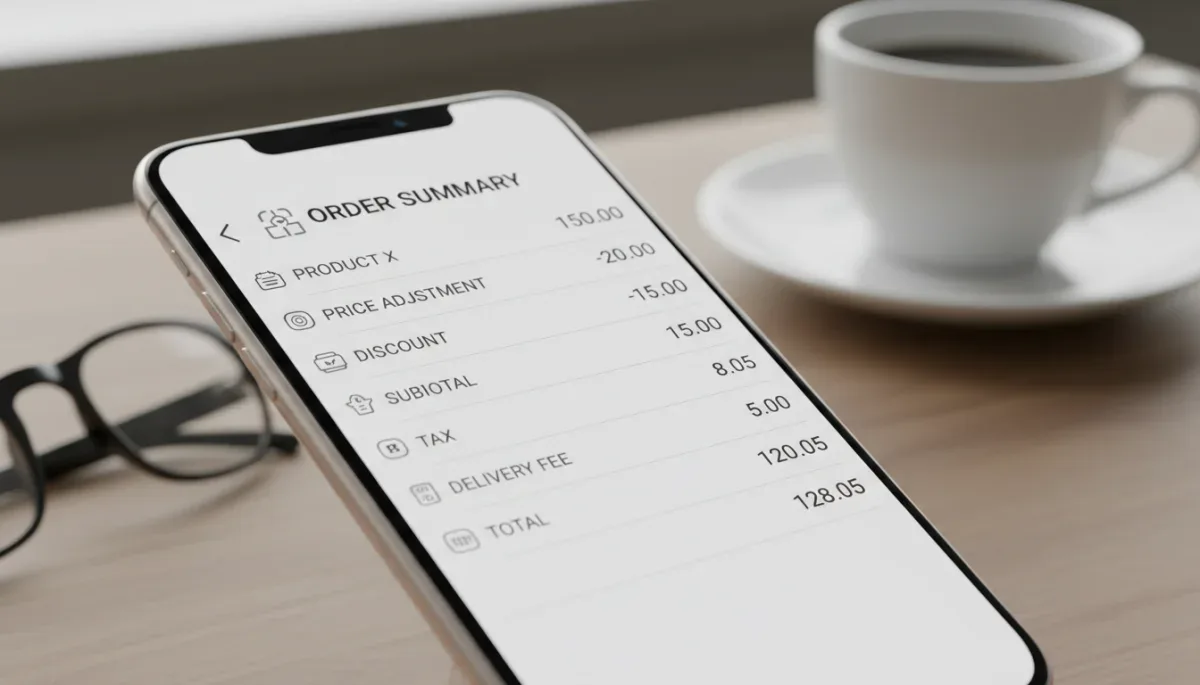
A critical distinction during holiday shopping is the difference between matching a rival company and receiving an internal price adjustment. Competitor matching involves asking Retailer A to sell an item for the lower price currently offered by Retailer B. Internal price adjustment involves asking Retailer A to refund the difference when an item you already bought from Retailer A drops in price on their own platform.
While competitor matching is almost universally frozen during Thanksgiving week, many major retailers continue to honor internal price adjustments on products bought within their standard or extended holiday return period. If a shopper purchases an item in early November and the same merchant drops the price further during a Black Friday event, the original merchant may issue a partial refund for the difference upon request.
Model numbers and derivative inventory
One of the primary reasons price matching requests fail during holiday sales is the use of derivative stock keeping units, commonly known as derivative SKUs. Manufacturers frequently produce specific versions of televisions, laptops, and kitchen appliances exclusively for individual retail chains during holiday sales events. While these products may look identical and share core features, their official model numbers differ by one or two letters.
To qualify for any price match or adjustment, published retailer terms require an exact match on brand name, model number, color, and included accessories. If a television sold at one retailer has a model number ending in an extra letter designated for warehouse clubs or specific department stores, customer service systems will automatically reject the comparison. Verifying the exact manufacturer part number before attempting a match is essential.
Details verified during a price review
- Exact manufacturer model number and universal product code.
- Current in-stock availability on the qualifying competitor platform.
- Identical package contents, year of manufacture, and warranty terms.
- Verification that the competitor is on the retailer approved competitors list.
How major online retailers structure holiday terms
Every major retail chain publishes specific terms governing their holiday price protection policies. At the time of writing, general merchandise and electronics retailers update their policy pages in early autumn to reflect rules for the upcoming shopping season. Retailers like Target, Best Buy, and Walmart maintain distinct guidelines regarding which dates are covered and how requests must be submitted.
Target typically offers a dedicated holiday price match guarantee window starting in October, allowing adjustments if their own price drops before December 24, while restricting competitor matches during Thanksgiving week. Best Buy traditionally excludes prices offered from the Thursday before Thanksgiving through the Monday after Thanksgiving from their price match guarantee. Shoppers should confirm the current wording on official retailer websites, as exact exclusion dates are updated annually.
Steps to request a post-purchase price adjustment
When an item qualifies for a post-purchase adjustment under a retailer active policy, submitting the request online is generally faster than visiting a physical store. Most major platforms handle these requests through automated customer service chat portals or dedicated online account tools. Having all necessary documentation ready before initiating contact reduces delays and prevents session timeouts.
Shoppers must provide the original order confirmation number, the email address associated with the purchase, and a direct link to the active product page showing the lower price. The item must be actively in stock at the lower price when the customer service agent reviews the link. Once approved, refunds are typically credited back to the original method of payment within several business days.
Required information for submission
- Original digital order number or scanned store receipt.
- Link to the live product listing showing the lower price.
- Payment method details used for the initial transaction.
At a glance
| Policy factor | What to know |
|---|---|
| Competitor matching | Most major retailers suspend matching rival stores from Thanksgiving through Cyber Week. |
| Internal adjustments | Many retailers refund the difference if their own price drops on identical items. |
| Product model numbers | Items must match brand, color, and exact manufacturer model numbers precisely. |
| Stock requirements | The lower-priced item must be currently in stock to qualify for consideration. |
Frequently asked questions
Will stores price match Amazon during Black Friday?
Most major retailers do not match Amazon prices during Thanksgiving week and Cyber Monday. Even outside blackout windows, retailers only match items shipped and sold directly by Amazon, excluding third-party marketplace sellers, Prime-exclusive pricing, and lightning deals.
What is the difference between a price match and a price adjustment?
A price match occurs when a retailer matches a competitor lower price at the time of purchase. A price adjustment occurs after purchase, when the original retailer refunds the difference because their own price dropped within the return window.
Do holiday return windows extend price adjustment periods?
Not always. While retailers often extend product return deadlines into January for holiday purchases, their price adjustment windows may remain restricted to a shorter period, such as 14 or 30 days from the original purchase date.
Can I price match doorbuster or limited-quantity deals?
No. Retailers explicitly exclude doorbusters, limited-quantity promotions, hourly flash sales, and items marked as clearance or liquidation from both competitor price matching and post-purchase price adjustments across all major retail platforms.
The bottom line
Holiday price matching policies are heavily restricted during Black Friday and Cyber Week, making competitor matching rare during peak promotional days. Shoppers looking to save should focus on internal price adjustments from the retailer where the purchase was made, ensure exact model numbers match, and track the item live price. Always check the official policy page of the retailer before buying to confirm their current seasonal exclusion dates.

Written by
Rita Luiza
Rita Luiza covers home and kitchen for S2YOU, from everyday essentials and small appliances to product-testing panels for household goods. She compares prices, warranties and return policies across retailers, and checks every detail on the brand's official site before publishing.