
How to choose durable pantry storage containers
Advertisements
To choose durable pantry storage containers, select rigid materials like borosilicate glass or high-density polypropylene and verify official food contact certification marks stamped directly on the base. This approach protects dry bulk staples from moisture, insects, and premature spoilage while preventing chemical leaching into your ingredients. The trade-off is that durable, verified safe containers often require a slightly higher initial purchase price and careful manual verification of manufacturer specifications before ordering.
Many affordable homeware platforms, discount department stores, and mass retailers carry hundreds of budget storage sets. However, price does not guarantee long-term material stability or an airtight seal. Understanding raw materials, structural design, and international regulatory markings ensures you purchase long-lasting vessels that preserve food safely.
Understanding food contact safety symbols and resin codes
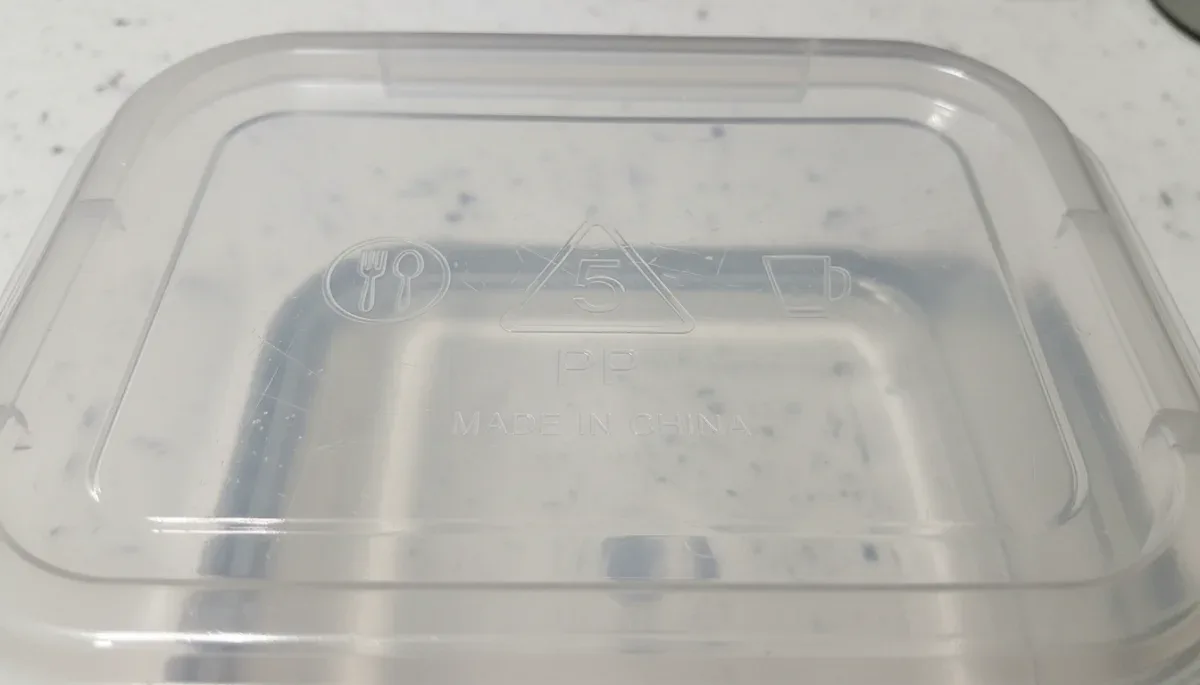
Food storage vessels sold in the United States must meet regulatory guidelines enforced by the U.S. Food and Drug Administration (FDA) for indirect food additives. Reliable manufacturers communicate compliance by molding specific standardized icons directly into the material during production. Stamped or embossed markings on the bottom surface indicate whether an item is safe for dry food, hot liquids, freezing temperatures, or microwave reheating.
Advertisements
The universal food-safe symbol depicts an upright wine glass next to a fork. This internationally recognized mark indicates the vessel is manufactured from inert, non-toxic substances designed specifically for food contact. Absence of this symbol does not automatically signify toxicity, but it indicates the manufacturer has not formally classified the product as food contact ware under standard testing guidelines.
Advertisements
Common resin identification codes for kitchen storage
- Number 5 (PP or Polypropylene): Highly heat-tolerant, durable, and free of bisphenol A; widely regarded as one of the safest options for reusable food storage.
- Number 1 (PET or Polyethylene Terephthalate): Clear and lightweight, often used for disposable bottles; can warp in heat and may degrade with abrasive repeated scrubbing.
- Number 7 (Other): A catch-all designation covering blended plastics, acrylics, and polycarbonates; requires explicit confirmation from the brand that it is BPA-free.
Checking resin codes allows you to evaluate heat tolerance and impact resistance before purchasing multi-piece container sets from budget retailers.
Comparing container materials for long-term pantry storage
Pantry staples require distinct storage environments depending on oil content, moisture susceptibility, and light sensitivity. Choosing the right base material ensures your dry goods stay fresh for months without absorbing unwanted odors or discoloration from previous ingredients.
Soda-lime glass and borosilicate glass provide impermeable chemical barriers. Glass does not scratch easily, does not absorb cooking aromas, and eliminates chemical migration risks. Borosilicate glass handles rapid thermal changes better than standard soda-lime formulations, making it resilient if you move containers between freezing pantries and warm dishwashers. The drawback is weight and vulnerability to mechanical drops on tiled kitchen flooring.
Rigid plastics, such as BPA-free acrylic and polypropylene, offer lightweight handling and shatter resistance. They work well for high-capacity dry bins holding flour, sugar, or pet food. However, clear plastics can develop microscopic surface scratches from abrasive sponges or hard grains. Over time, those scratches collect residues and cloud the container wall, requiring replacement earlier than glass alternatives.
Stainless steel canisters provide light-blocking protection that preserves sensitive items like whole-bean coffee, loose tea, and ground spices. Food-grade stainless steel, typically designated as 18/8 or 304 grade, resists corrosion from salts and acids. The primary limitation is opacity, which prevents quick visual checks of remaining quantities without opening the lid.
Evaluating lid design and airtight sealing mechanisms
The lifespan of stored dry goods depends directly on the container lid. Flour beetles, pantry moths, and atmospheric humidity can bypass decorative loose-fitting caps. A reliable seal prevents air transfer and protects your pantry investments from pest infestation.
Gasket systems provide the primary defense in modern airtight canisters. Silicone gaskets maintain elasticity longer than natural rubber, which tends to dry, crack, and shrink when exposed to dry indoor heat or frequent washings. Look for removable gaskets that allow thorough cleaning. Moisture trapped behind non-removable rubber seals creates an ideal environment for hidden mold growth.
Common lid fastening types
- Four-latch snap lids: Use mechanical hinges on four sides to compress a perimeter gasket evenly, providing consistent resistance against moisture leaks.
- Push-button vacuum seals: Utilize a center button or pump mechanism to displace internal air and expand an internal silicone ring against the container walls.
- Clamp or wire-bale locks: Feature stainless steel wire brackets that exert heavy downward leverage on a thick gasket; highly durable but require hand strength to open.
- Screw-top threaded lids: Depend on precise groove alignment; effective for dry seeds and spices, though prone to cross-threading on cheaper plastic variants.
Ensure hinges on latching lids are molded with flexible polyolefin living hinges or stainless steel pins rather than rigid brittle plastic that snaps under pressure.
Assessing modular sizing and cabinet space efficiency
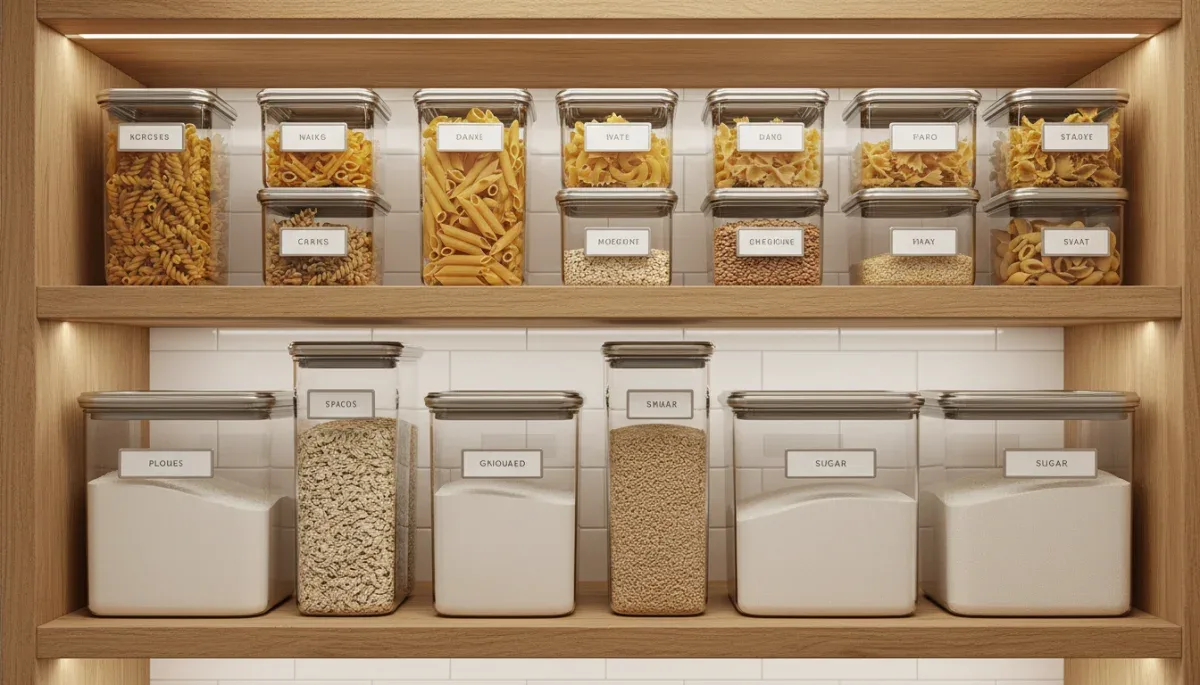
Pantry storage is limited by shelf depth, vertical spacing, and container footprint. Selecting modular container collections allows you to maximize usable volume while keeping shelf contents organized and clearly visible.
Square and rectangular profiles utilize shelf space far more efficiently than round jars. Cylindrical containers leave unused gaps between adjacent vessels, reducing total storage capacity across standard 12-inch or 16-inch pantry shelving. Straight vertical walls also store more volume per linear foot than tapered containers, which flare outward toward the rim and waste space at the bottom.
Stackability depends on structural lid recesses. Durable containers feature raised ridges on the outer lid perimeter that capture the base of identical or coordinated containers, preventing stacks from shifting when you retrieve nearby items. When buying multi-piece sets online, measure your shelf clearance first. Some modular sets require significant vertical space once stacked two units high.
Match container volume directly to standard commercial packaging sizes. A five-pound bag of all-purpose flour requires roughly 3.8 to 4 quarts of volume. Buying containers that hold slightly less than standard package sizes leaves awkward leftover bags in your pantry, defeating the purpose of decanting.
Cleaning protocols and maintaining long-term container durability
Improper washing and maintenance can degrade sealing gaskets, warp plastic walls, and cloud clear finishes. Following proper care guidelines extends the service life of both budget and premium storage vessels.
Dishwasher heat cycles pose the greatest structural risk to plastic containers. Even plastics labeled as dishwasher-safe can experience warping when placed near lower heating elements. High temperatures relax molded plastic stresses, causing square bases to bow slightly outward. Once a container bows, mechanical lid latches can no longer seat flatly against the gasket, destroying the airtight seal. Place plastic bases and lids on the top rack only, or wash them by hand using lukewarm water and mild dish soap.
Silicone gaskets require separate attention. Remove the gasket periodically using a blunt utensil, such as the edge of a spoon, to avoid puncturing the flexible membrane. Wash the seal and its retaining groove with warm soapy water, and allow both pieces to dry completely before reassembly. Reinstalling a damp gasket into a dry pantry canister traps moisture directly adjacent to your dry goods, creating conditions for spoilage.
At a glance
| Container feature | What to know |
|---|---|
| Food safe mark | Confirms the vessel meets recognized standards for non-toxic direct food contact. |
| Silicone gaskets | Resist brittleness better than rubber and should be removable for regular sanitizing. |
| Rectangular shapes | Eliminate dead cabinet space compared to round canisters of equivalent volume. |
| Top-rack washing | Prevents heat warping on plastic bodies to preserve airtight rim alignment. |
Frequently asked questions
Can I store flour and sugar in Number 7 plastic containers?
Yes, but only if the manufacturer clearly states that the container is BPA-free. Number 7 is a miscellaneous category that includes both modern safe resins like Tritan and older plastics made with bisphenols. Always verify the manufacturer's exact specifications before buying.
How do I test if a pantry container is truly airtight?
Fill the empty container with water, seal the lid tightly, and hold it upside down over a sink. If water drips past the silicone gasket or bubbles escape when you gently press the sides, the seal is not airtight and will allow ambient moisture inside.
Why did my clear plastic containers turn cloudy after washing?
Cloudiness occurs when abrasive scouring pads create micro-scratches or when harsh detergent minerals etch the plastic surface under high dishwasher temperatures. Use soft microfiber cloths and avoid extreme heat settings to protect clear plastic clarity over long periods.
Are glass pantry containers better than plastic ones?
Glass is superior for odor resistance, stain resistance, and chemical stability, making it ideal for spices, acidic items, or oily nuts. Plastic remains the practical choice for large bulk items like 10-pound grain bags due to its lighter weight and shatter resistance.
The bottom line
Investing in durable pantry storage containers requires balancing material safety, gasket quality, and practical shelf dimensions rather than buying solely on price. Prioritize food-safe resin codes, modular rectangular silhouettes, and removable silicone seals to protect your pantry staples against moisture and insect damage. Before ordering your next storage set, check the exact height of your pantry shelves against the container dimensions to verify that your chosen stackable models will fit comfortably.

Written by
Maria Teixeira
Maria Teixeira covers clothing and shoes for S2YOU, from seasonal sales and sizing guides to free-trial and review programs run by fashion brands. She compares prices, return policies and program rules across retailers, and checks every detail on the brand's official site before publishing.