
Evaluating fabric weight and opacity when shopping online
Advertisements
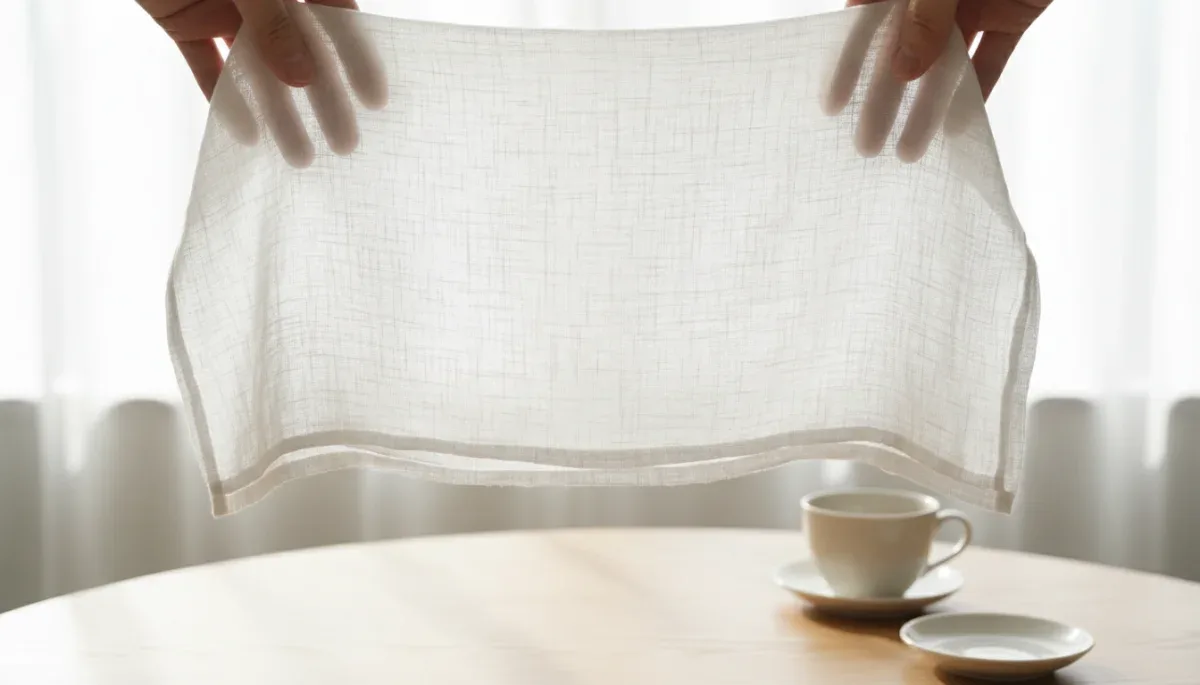
Evaluating clothing fabric weight and opacity before ordering online requires checking published material specifications, understanding fiber properties, and inspecting customer images for backlighting. This process helps online shoppers avoid garments that arrive paper-thin or completely see-through, though it requires looking beyond promotional studio photos that are deliberately lit to hide textile flaws.
Most budget apparel platforms provide basic fabric information on the product page, but they rarely state outright whether an item is sheer. By learning how to interpret weight metrics, fiber blends, and manufacturing indicators, you can accurately predict how a textile will look and feel before entering your payment details.
Understanding fabric weight measurements and grams per square meter
The standard measurement for textile weight in the apparel industry is grams per square meter, commonly abbreviated as GSM. A higher GSM number indicates a denser, heavier fabric, whereas a low GSM number indicates a fine, lightweight, or potentially sheer material. While fast fashion platforms do not always list GSM directly, many product descriptions for t-shirts, hoodies, and activewear now include this figure in the specification tab.
Advertisements
When GSM is missing, brands may refer to ounces per square yard or describe fabrics using descriptive categories like featherweight, lightweight, midweight, or heavyweight. For basic everyday tops, a lightweight knit typically falls under 140 GSM, which tends to be semi-sheer in lighter colors. Midweight items usually sit between 150 and 200 GSM, offering full opacity for basic cotton tees. Anything exceeding 220 GSM is considered heavyweight and rarely shows undergarments through the weave.
Advertisements
Standard weight thresholds for common clothing items
- Summer t-shirts: 120 to 150 GSM produces a breezy drape that frequently requires neutral undergarments in white or pastel shades.
- Standard everyday tees: 160 to 190 GSM provides balanced structure with consistent opacity across dark and light color options.
- Leggings and yoga pants: 240 to 300 GSM ensures that activewear passes the squat test without becoming semi-sheer when stretched.
- Winter sweatshirts: 300 to 400 GSM delivers thick insulation and complete opacity using dense loopback terry or fleece backing.
How fiber composition influences garment transparency
The specific fiber blend of a garment directly determines its natural thickness, surface density, and light transmission. Natural fibers like linen have uneven, slubbed yarns that let light filter through even when the fabric feels crisp and substantial in your hands. In contrast, tightly woven synthetic filaments, such as polyester microfiber, can be remarkably thin while remaining completely opaque because the fibers pack together without gaps.
Cotton items depend heavily on the yarn grade and whether the knit is single jersey or double knit. Single jersey knits are made with one set of needles, resulting in a lighter layer that can turn sheer under bright lighting when stretched over the body. Interlock and ponte knits use a double-needle construction, producing two interlocking layers of fabric that create reliable thickness and block light effectively.
Viscose vs polyester, rayon, and modal are plant-derived semi-synthetics prized for their silky texture and fluid drape. These fabrics are exceptionally prone to clinginess and transparency if produced at a low fabric weight. When a product description lists ninety-five percent rayon and five percent spandex without mentioning a lining, you should anticipate a fluid, clinging garment that will reveal seam lines, pocket bags, and undergarment contours unless worn in dark colors.
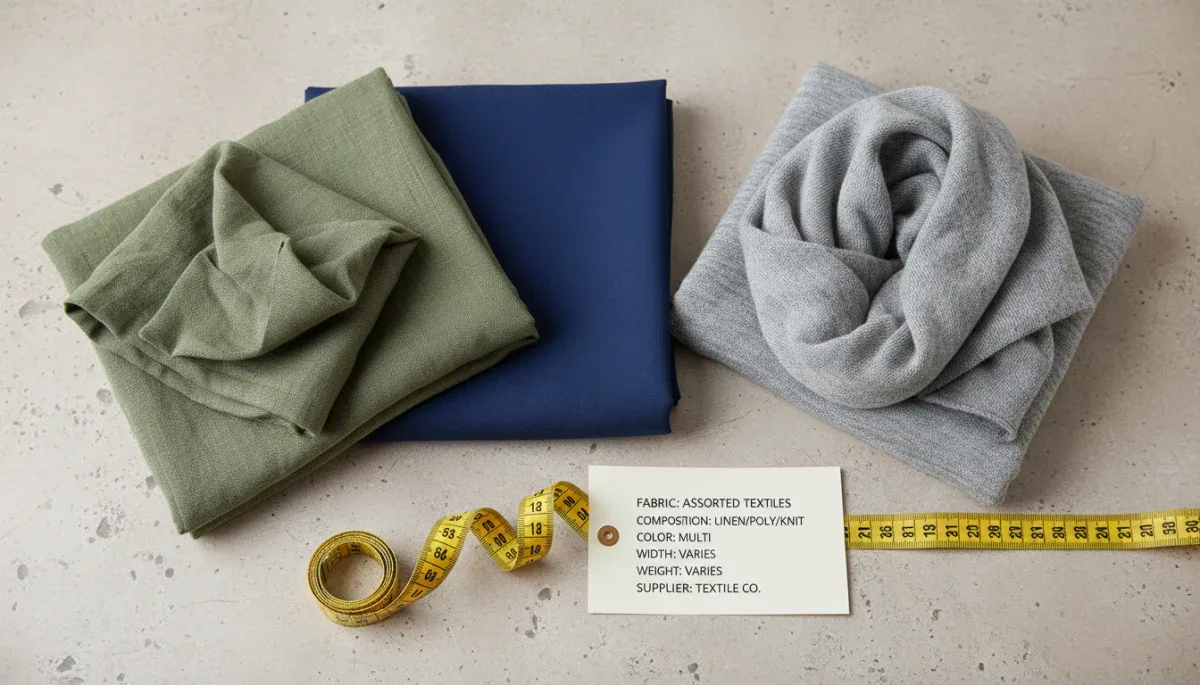
Reading product photography for drape and light transmission
Studio lighting is designed to make clothes look smooth, vibrant, and uniform, but commercial light setups often wash out transparency. Photographers position strobe lights in front of the model, which bounces light off the surface of the fabric and conceals see-through qualities. To gauge true fabric weight and opacity, look for specific areas of the product image where the background light interacts with the garment edges.
Check the hem of skirts, dresses, and wide-leg trousers where the garment falls away from the body. If you can see the silhouette of the model's legs or knees outlined clearly through a single layer of fabric, the item is lightweight and semi-transparent. Similarly, look closely at the waistband and pocket construction on pants. If the internal pocket lining is visible as a white rectangle through the outer shell of the pants, the exterior fabric lacks sufficient opacity.
Key visual details to inspect in studio images
- Waistband silhouettes: Look for the shadow of the internal elastic band or folded facing visible through the top layer.
- Pocket bag shadows: Check whether front or rear pocket linings create distinct dark or light shapes on the exterior.
- Fabric pooling: Notice how the material collapses at folds, as thick fabrics hold soft tubular shapes while thin fabrics collapse into sharp, flat folds.
- Model movement: Observe images where the model walks, looking for fabric that clings tightly to the skin due to lack of structural body.
Checking customer review photos and video footage
Customer reviews provide the most reliable evidence of real-world fabric performance because user submissions are shot under everyday home lighting without digital retouches. When browsing customer photos, bypass mirror selfies taken with front-facing camera flash, as direct flash reflects off fibers similarly to studio strobes and hides transparency.
Look specifically for customer images taken near windows or outdoors in natural daylight. Daylight reveals whether a white blouse reveals a bra outline or if a pair of leggings turns sheer when bending. Pay attention to reviews where buyers mention sizing up or down, because tension drastically alters opacity. A garment made from a thin knit might appear fully opaque when worn loose, yet become sheer the moment it stretches across the chest or hips.
Video reviews uploaded by purchasers are especially valuable for assessing fabric weight. Watch how the fabric moves when the person gestures or turns around. Stiff, cardboard-like movement often points to low-grade synthetic textiles coated in sizing agents, whereas limp, papery fluttering indicates an ultra-thin fabric with minimal weight that may wrinkle rapidly during standard wear.
Lining constructions and weave structures that prevent sheer issues
A primary factor distinguishing well-constructed clothing from cheap, sheer garments is the presence of an internal lining. Online catalog listings usually state whether an item is fully lined, partially lined, or unlined under the garment details section. If a pale dress or light-colored pair of linen trousers is unlined, you should assume that it will require dedicated undergarments or a slip to achieve full opacity in direct sunlight.
Weave structure also plays an enormous role in preventing unwanted transparency. Poplin and twill weaves feature tightly crossed threads that block light much better than loose plain weaves or open-gauge knits. Twill weaves, recognizable by their diagonal surface ribs, provide excellent coverage even when woven from fine cotton yarns. Chiffon, georgette, and organza are intentionally sheer weaves that rely on multiple draped layers or contrast underlays to create an opaque appearance.
Always examine the garment construction around seams and closures. When a listing describes an item as double-layered or self-lined, it means the manufacturer used the main exterior fabric as the interior lining as well. This construction technique guarantees opacity and provides a cleaner finish along the edges, preventing the see-through look common in budget fashion.
At a glance
| Evaluation factor | What to know |
|---|---|
| GSM metric | Under 140 GSM is typically sheer or lightweight, while 180 GSM and above provides standard opacity. |
| Pocket bag visibility | Visible interior pocket outlines in catalog photos indicate a thin, low-opacity fabric shell. |
| Fiber composition | Unlined rayon and fine single-knit jersey cling and show transparency more than twill or double knits. |
| Daylight customer photos | Unfiltered reviews shot in natural sunlight reveal true transparency far better than studio catalog images. |
Frequently asked questions
What does GSM mean on clothing product listings?
GSM stands for grams per square meter, measuring the physical density and weight of a fabric. Higher numbers represent thicker, denser textiles that provide superior opacity, while lower numbers represent delicate or airy materials that may appear see-through.
Can a lightweight fabric still be completely opaque?
Yes, tightly woven synthetic microfibers and dark-colored textiles can remain fully opaque despite having a light weight. However, light-colored fabrics such as white, cream, and pastels generally need higher weight or double-layer construction to prevent light transmission.
How can I tell if white pants will be see-through?
Check the product photos for visible interior pocket linings and search customer reviews for photos taken in daylight. If the brand does not explicitly state that the trousers include an interior lining, white pants are very likely to be sheer.
Does stretching affect whether a fabric is opaque?
Yes, stretching knit fabrics pulls the yarn loops apart, creating microscopic spaces that allow light to pass through. Garments with high spandex content become noticeably more transparent when worn tightly over curves compared to when they hang loosely.
The bottom line
Accurately assessing fabric weight and opacity before buying clothes online requires verifying the GSM, checking fiber construction, and inspecting customer daylight photos for visible pocket bags or leg silhouettes. Relying strictly on professional studio photographs often leads to disappointment because high-intensity front lighting masks thin materials. Before placing your order, check the site return policy to make sure you can return sheer or flimsy items without paying expensive restocking fees.

Written by
Lucas Bastos
Lucas Bastos covers electronics and gadgets for S2YOU, from audio, smart-home and phone accessories to product-testing programs for tech. He compares specs, prices and return policies across retailers, and checks every detail on the brand's official site before publishing.