
Percale vs sateen sheets: how the weaves compare for sleep
Advertisements
Percale sheets offer a crisp, cool matte surface that promotes airflow, while sateen sheets deliver a silky, heavier drape with a gentle sheen that holds warmth against the body. Choosing between them depends on whether you sleep hot or cold, how often you mind ironing your bedding, and the specific tactile finish you prefer against your skin each night.
This comparison helps shoppers navigate budget-friendly bedding aisles and online marketplaces where fiber content, marketing claims, and thread counts often cause confusion. While both styles frequently use identical raw cotton yarns, the way weavers interlace those threads completely changes how the fabric breathes, washes, and holds up over years of regular use.
Understanding the fundamental structural difference in weaves
Every woven bed sheet starts with two sets of yarns: the warp threads running vertically on the loom and the weft threads crossing horizontally. In percale, weavers use a standard one-over, one-under basketweave structure. This equal grid pattern produces a balanced fabric where neither yarn direction dominates the surface, creating thousands of tiny open channels that let air move freely between the fibers. The result is a flat, matte finish that resembles a freshly pressed button-down dress shirt.
Advertisements
Sateen relies on an asymmetrical structure, typically weaving three or four warp threads over a single weft thread before looping underneath. By floating several long horizontal threads across the surface, sateen exposes more exposed yarn area to light and touch. This floating structure reflects ambient light to create a subtle luster, gives the fabric a buttery glide against bare skin, and creates a denser textile barrier that naturally blocks air currents from flowing through the sheet.
Advertisements
Key physical differences between the two weaving methods
- Yarn exposure: Percale locks every intersection tightly in place, whereas sateen floats multiple threads over the surface to create softness.
- Surface sheen: Percale remains completely matte, while sateen exhibits a low-luster gloss that softens slightly after repeated wash cycles.
- Air permeability: Percale leaves open pores between intersections, while sateen packs fibers closely together to reduce air exchange.
- Fabric weight: Given identical yarn thicknesses, sateen feels heavier and drapes closer to the contours of the mattress.
How percale vs sateen sheets perform for sleep temperature
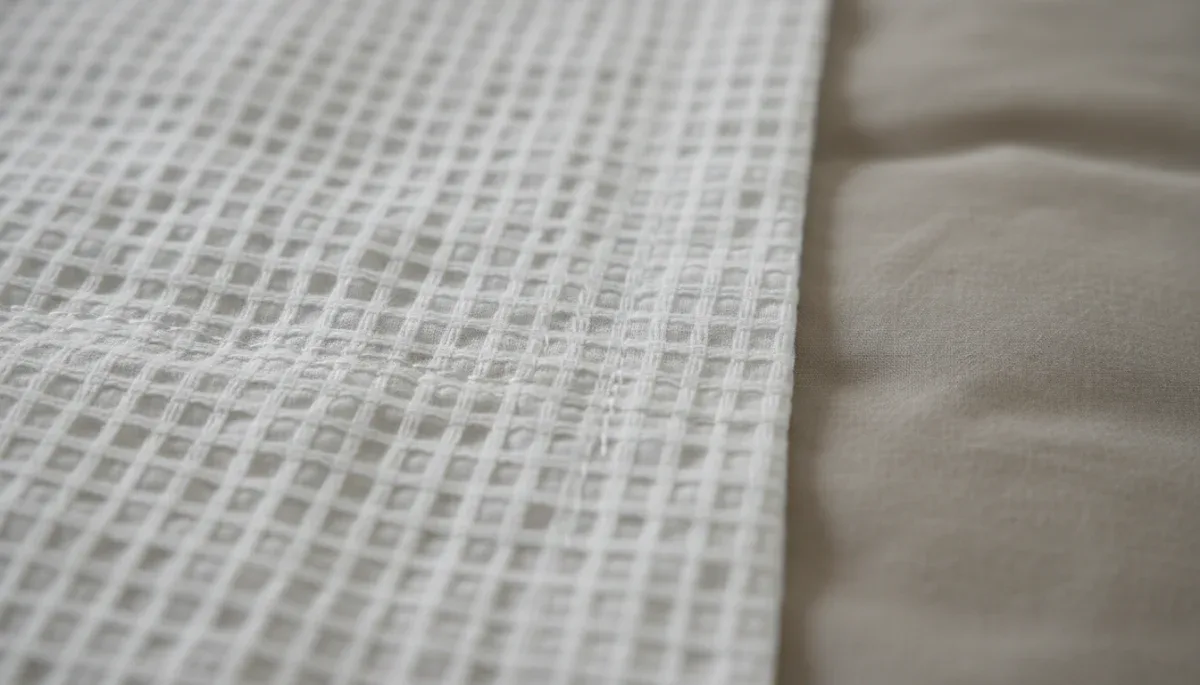
Your sleep environment and nighttime body temperature regulation should guide your choice more than aesthetic trends. Percale is the standard choice for hot sleepers, warm climates, and summer months. Because the simple grid construction lets heat vent away from your skin, moisture evaporates quickly rather than getting trapped beneath your blankets. People who wake up sweating or kick off heavy quilts will find that percale helps maintain a neutral microclimate inside the bed.
Sateen works well for cold sleepers, drafty rooms, and winter bedding rotations. The floating weave packs more cotton threads into every square inch of surface area, trapping air beneath your comforter to form an insulating buffer. While cotton sateen remains naturally more breathable than synthetic polyester microfiber, it still holds noticeable body heat throughout the night. If you frequently reach for an extra throw blanket in the early morning hours, sateen supplies steady, gentle warmth without requiring extra layers.
Room climate also influences this decision. Homes running air conditioning throughout the summer can comfortably use either style, but rooms subject to seasonal temperature swings often benefit from owning one set of each. Switching to crisp percale during humid months and bringing out smooth sateen when temperatures drop is a practical way to manage sleep comfort without altering your thermostat settings.
Texture, drape, and tactile feel against bare skin
The sensation of stepping into bed differs sharply between these two textiles. Percale feels brisk, dry, and lightweight when you first climb under the covers. Rather than clinging to your legs, it floats lightly over your body, creating pocket space where fresh air can circulate. It has a distinctive tactile snap when you smooth it out, and it softens gradually over dozens of laundry cycles without ever losing its signature crispness.
Sateen offers immediate softness directly out of the packaging. Because the exposed thread floats minimize friction, the fabric glides fluidly across bare skin and conforms closely to your body contours. This supple drape makes sateen feel substantial and cozy, similar to hotel-style luxury bedding. However, individuals who dislike clinging fabrics or find slick surfaces uncomfortable might feel restricted by sateen's dense, liquid-like movement over mattress edges and pillows.
For sleepers with sensitive skin or tactile sensitivities, sateen minimizes surface friction against the face and hair during sleep. Percale, while smooth when woven from long-staple cotton, carries a slightly textured, paper-like grain that some find invigorating and others find too dry or starchy during the initial break-in period.
Durability, pilling, and long-term laundry maintenance
Long-term durability is an area where percale regularly outperforms sateen under standard household washing conditions. Because every horizontal thread in percale crosses tightly over a vertical thread, there are no loose fiber spans vulnerable to friction. Percale resists surface abrasion from rough heels, jewelry, or pet claws. It can withstand frequent hot-water washing cycles and routine line drying without thinning prematurely or developing loose snags.
Sateen's luxurious floating threads make it naturally more delicate over extended periods of wear. Those same long floats that create surface sheen can catch on abrasive objects, leading to small pulls or micro-snags. Furthermore, repetitive rubbing against mattress protectors can cause the exposed fibers to fray, leading to fabric pilling on high-wear spots like the center of the fitted sheet. While high-quality combed cotton minimizes this issue, sateen sheets usually show cosmetic aging sooner than equivalent percale sets.
Best laundry practices to extend sheet lifespan
- Wash temperatures: Use warm or cool water settings to preserve fiber strength and prevent premature shrinkage.
- Drying habits: Tumble dry on low heat and remove items promptly to reduce deep-set fiber creasing.
- Detergent choice: Avoid harsh chlorine bleaches and fabric softeners that coat cotton fibers and diminish natural moisture absorption.
- Cycle separation: Wash sheets separately from rough textiles like heavy towels, denim, and zippered garments that can abrade surface threads.
Wrinkling tendencies and everyday bedroom appearance
How you want your bed to look between washes plays a notable role in everyday satisfaction. Percale wrinkles easily and visibly. Because the cotton yarns are held in a rigid grid without synthetic elasticity, folding, sitting on the bed, or leaving laundry sitting in the dryer creates prominent creases. If you demand a smooth, flat bedspread without running a household iron over your sheets, percale can present an unruly, lived-in rumpled look that bothers some homeowners.
Sateen naturally resists wrinkles due to its heavier weight and flexible thread arrangement. The floating yarns allow the fabric to flex and stretch slightly, causing light wrinkles to release on their own once the fitted sheet is pulled taut across the mattress corners. Pillowcases made from sateen maintain a neat, tailored appearance on the bed without requiring heat pressing, making it a lower-maintenance choice for shoppers who prefer a polished aesthetic with minimal effort.
If you prefer percale but dislike deep wrinkles, pulling the sheets from the dryer while they are still slightly damp and immediately smoothing them across the mattress reduces creasing significantly. With sateen, routine shaking before hanging or folding is usually sufficient to maintain a sleek, uniform drape across your pillows and duvet covers.
Thread counts, fiber quality, and budget shopping realities
Retail marketing frequently uses inflated thread counts to justify higher prices, but thread count numbers mean very little without verifying raw fiber quality. A legitimate percale sheet generally sits between 200 and 400 threads per square inch. Attempting to cram more threads into a percale grid makes the fabric stiff, heavy, and impermeable, ruining the exact cooling qualities shoppers seek.
Sateen naturally accommodates higher numbers, typically ranging from 300 to 600 threads per square inch, because floating threads can be packed closer together on the loom. Any brand advertising thread counts of 800, 1000, or higher is usually counting multi-ply yarns—twisting several weak, cheap strands together to artificially multiply the advertised number. These dense, multi-ply sheets often trap heat, feel stiff, and break down quickly after washing.
When shopping on discount platforms or department store clearance racks, look closely at the fiber label before the weave. A 250-thread-count percale made from 100 percent long-staple combed cotton will feel softer and last years longer than an 800-thread-count sateen woven from short-staple cotton or polyester blends. If the packaging labels the item merely as "microfiber" or does not disclose cotton staple length, expect synthetic fibers engineered to mimic sateen luster that lack natural cotton breathability.
At a glance
| Factor | What to know |
|---|
Frequently asked questions
Are percale or sateen sheets better for hot sleepers?
Percale sheets are significantly better for hot sleepers because their one-over, one-under weave leaves open space between threads, allowing body heat to escape and air to circulate freely throughout the night.
Do sateen sheets pill more easily than percale?
Yes, sateen sheets pill more easily because their exposed surface threads face direct friction from movement, whereas percale's tight grid holds individual cotton fibers securely locked in place over long periods.
Is sateen the same material as satin?
No, sateen is woven from spun cotton yarns using a specific floating weave structure, whereas satin is traditionally made from filament fibers like silk, nylon, or polyester to produce an ultra-glossy finish.
Does percale get softer over time with washing?
Yes, genuine cotton percale softens gradually with each trip through the laundry as the natural cotton fibers relax, maintaining its light crispness while losing initial stiffness after several wash cycles.
The bottom line
Choose percale if you sleep warm, prefer crisp and lightweight bedding, and do not mind a relaxed, wrinkled look on your mattress; select sateen if you prefer a silky drape, sleep cool, and want a naturally smooth bed with minimal creasing. Before ordering your next set, check the product label to confirm it uses 100 percent long-staple cotton rather than synthetic polyester blends disguised under high thread count claims.

Written by
Maria Teixeira
Maria Teixeira covers clothing and shoes for S2YOU, from seasonal sales and sizing guides to free-trial and review programs run by fashion brands. She compares prices, return policies and program rules across retailers, and checks every detail on the brand's official site before publishing.