Sustainable Fabric Innovations 2026: Eco-Friendly Fashion
Advertisements
The 2026 developments in sustainable fabric innovations mark a fundamental shift toward eco-friendly clothing in the fashion industry.
Driven by consumer demand for ethical practices and textile science, understanding these materials is now essential to modern style. Here is a look at the top innovations set to redefine fashion and planetary well-being.
The Rise of Mycelium Leather: A Fungal Revolution
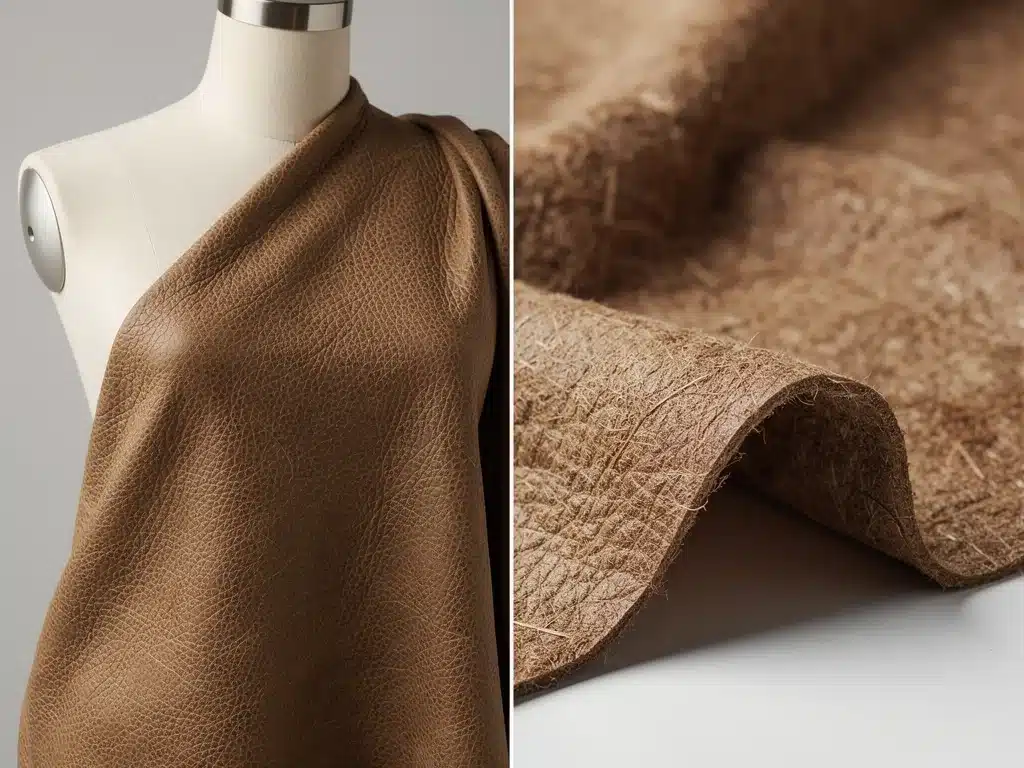
Mycelium leather, derived from the root structure of mushrooms, represents a significant leap forward in sustainable material science.
Advertisements
This innovative textile offers a compelling alternative to traditional animal leather, addressing both ethical and environmental concerns prevalent in the fashion industry.
Advertisements
The production process for mycelium is remarkably efficient, requiring less water and land compared to conventional leather.
Its biodegradability at the end of its lifecycle further underscores its eco-friendly credentials, aligning perfectly with the growing demand for circular fashion.
By 2026, experts predict that mycelium leather will move beyond experimental stages to become a mainstream option for luxury accessories, footwear, and outerwear.
Its versatility and aesthetic appeal are making it a favorite among designers committed to sustainability.
The Science Behind Mycelium Fabric
Mycelium, the vegetative part of a fungus, grows in a vast, branching network of hyphae.
Scientists cultivate these networks in controlled environments, often using agricultural waste as a nutrient source, allowing them to grow into sheets that mimic the texture and strength of animal hide.
This bio-fabrication method allows for customization in thickness, texture, and strength, making it adaptable for various applications in fashion.
The result is a material that is not only sustainable but also offers unique design possibilities for future collections.
- Cultivated from fungal root structures
- Requires minimal water and land resources
- Biodegradable and environmentally friendly
- Offers customizable textures and strengths
The development of mycelium leather highlights a broader trend towards bio-engineered materials that offer high performance without compromising ecological integrity.
Its potential to scale up production makes it a key player in the future of sustainable fabric innovations 2026.
Algae-Based Textiles: Tapping into Ocean’s Green Gold
Algae, often seen as a simple aquatic organism, is rapidly emerging as a powerful resource for sustainable textile production.
Researchers are harnessing its photosynthetic capabilities to create fibers that are both environmentally benign and highly functional for various clothing applications.
These innovative fabrics offer a renewable and carbon-negative solution, as algae absorb carbon dioxide during their growth cycle.
This makes algae-based textiles a promising contender in the race to reduce the fashion industry’s ecological footprint.
As we approach 2026, expect to see algae-derived materials integrated into activewear, casual clothing, and even high fashion.
Their natural dyes and moisture-wicking properties are particularly attractive to brands focused on performance and sustainability.
From Pond to Runway: Algae’s Journey
The process of transforming algae into textiles involves extracting cellulose or other polymers from the biomass, which are then spun into fibers.
This method bypasses many of the chemical-intensive steps associated with synthetic fabric production.
Beyond fibers, algae can also be used to create natural dyes, further reducing the environmental impact of textile coloring. This holistic approach makes algae a truly comprehensive sustainable solution for the fashion industry.
- Utilizes renewable and carbon-negative algae
- Reduces reliance on synthetic fibers and dyes
- Offers natural moisture-wicking properties
- Suitable for a wide range of apparel
The ongoing research into algae-based textiles underscores the ingenuity driving sustainable fabric innovations 2026. This natural resource holds immense potential for creating a closed-loop system within fashion, minimizing waste and maximizing ecological benefits.
Recycled Carbon Emissions: Air-to-Wear Technology
Imagine clothing made from the very air we breathe, specifically from captured carbon emissions.
This seemingly futuristic concept is becoming a reality, with groundbreaking technologies transforming industrial pollutants into usable textile fibers.
This innovative approach directly addresses climate change by repurposing harmful greenhouse gases into valuable resources.
It represents a radical shift in manufacturing, turning a significant environmental problem into a sustainable solution for the fashion sector.
By 2026, air-to-wear technologies are projected to contribute significantly to the production of synthetic-like fabrics, offering a guilt-free alternative to virgin polyester and nylon.
This development is crucial for achieving a truly circular economy in fashion.
Innovating with Carbon Capture
Companies are developing proprietary methods to capture carbon dioxide from industrial emissions and convert it into polymers suitable for textile production.
These polymers can then be spun into yarns that possess similar properties to conventional synthetics.
This process not only reduces atmospheric carbon but also decreases the demand for fossil fuels typically used in synthetic fiber manufacturing.
It’s a dual-benefit approach that promises a cleaner future for both the environment and our wardrobes.
- Transforms captured CO2 into textile fibers
- Reduces greenhouse gas emissions
- Offers an alternative to virgin synthetic fabrics
- Supports a circular economy model
The emergence of recycled carbon emissions into textiles is a testament to the power of innovation in addressing environmental challenges.
It’s a key component of the sustainable fabric innovations 2026, pushing boundaries for what eco-friendly clothing can truly be.
Orange Fiber: Citrus Waste Reimagined
From the peels of oranges, a luxurious and sustainable fabric is being born, offering an elegant solution to textile waste.
Orange Fiber leverages the vast quantities of citrus by-products from the juice industry, transforming them into a silky, soft material.
This innovative process not only diverts waste from landfills but also creates a high-quality fabric that rivals traditional silk in drape and feel.
It’s a prime example of how creativity and technology can unlock hidden value in what was once considered refuse.
As we head towards 2026, Orange Fiber is expected to gain further traction, particularly in high-end fashion and lingerie.
Its unique properties and sustainable origin make it an attractive option for designers seeking both luxury and environmental responsibility.
The Journey from Peel to Fabric
The production of Orange Fiber involves extracting cellulose from citrus peels, which is then processed and spun into yarn.
This method is less resource-intensive than traditional fabric manufacturing and provides a sustainable outlet for agricultural waste.
The resulting fabric is not only soft and lightweight but can also be enriched with vitamins A, C, and E, which are gradually released onto the skin when worn.
This adds a unique, wellness-oriented dimension to sustainable fashion.
- Utilizes citrus industry by-products
- Creates a luxurious, silk-like fabric
- Reduces waste and conserves resources
- Can be infused with skin-benefiting vitamins
Orange Fiber exemplifies how waste streams can be transformed into valuable fashion resources. This innovative textile is a vital part of the conversation around sustainable fabric innovations 2026, offering both beauty and purpose.
Bio-Engineered Spider Silk: The Future of High-Performance Textiles
Spider silk, renowned for its extraordinary strength, elasticity, and lightweight nature, has long been a holy grail for material scientists.
Now, bio-engineered versions are making this super-material accessible for sustainable fashion, without harming spiders.
Companies are utilizing fermentation processes, similar to brewing beer, to produce synthetic spider silk proteins that can be spun into fibers.
This method offers a scalable and ethical way to create one of nature’s most impressive materials.
By 2026, bio-engineered spider silk is anticipated to revolutionize performance wear, outdoor gear, and even high-fashion garments requiring exceptional durability and comfort.
Its potential applications are vast, pushing the boundaries of textile engineering.
Unlocking Nature’s Strongest Fiber Ethically
The production involves genetically modified microorganisms that produce silk proteins, which are then harvested and processed into fibers.
This avoids the ethical and practical challenges of farming actual spiders, making large-scale production feasible.
The resulting bio-silk can be engineered to possess specific properties, such as water repellency or enhanced breathability, making it highly adaptable for various textile needs.
This precision engineering marks a new era in sustainable material development.
- Replicates spider silk’s strength and elasticity
- Produced ethically through bio-engineering
- Scalable for mass production
- Versatile for high-performance applications
Bio-engineered spider silk stands as a pinnacle of sustainable fabric innovations 2026, combining cutting-edge biotechnology with an unwavering commitment to environmental responsibility.
It promises a future where high performance and sustainability go hand-in-hand.

Hemp and Linen Blends: Revitalizing Ancient Fibers
While often overshadowed by newer innovations, hemp and linen are experiencing a resurgence, particularly when combined with modern textile technologies.
These ancient fibers are inherently sustainable, requiring minimal water and pesticides for cultivation.
Recent advancements in processing techniques have made these natural fibers softer, more versatile, and less prone to wrinkling, addressing previous consumer objections.
This revitalization positions them as key players in the sustainable fashion movement.
By 2026, expect to see an increased presence of hemp and linen blends in everyday apparel, from casual wear to sophisticated garments. Their durability, breathability, and eco-credentials make them ideal for a conscious wardrobe.
Modernizing Traditional Sustainable Materials
New spinning and weaving techniques are enhancing the feel and performance of hemp and linen, making them more appealing to a broader market.
Blending them with other sustainable fibers, such as organic cotton or recycled materials, further expands their applications.
The environmental benefits of cultivating hemp and linen are substantial, including soil regeneration and biodiversity support. These fibers offer a foundational element for a truly sustainable textile ecosystem.
- Naturally sustainable, low environmental impact
- Improved softness and versatility through new processing
- Excellent breathability and durability
- Supports soil health and biodiversity
The renewed focus on hemp and linen blends underscores the fact that sustainability often involves looking back to traditional methods, enhanced by modern innovation.
These fabrics are essential to the broader narrative of sustainable fabric innovations 2026, offering practical and earth-friendly choices.
The Role of Digitalization in Sustainable Fabric Tracking
Beyond the fibers themselves, digitalization plays a crucial role in ensuring the transparency and traceability of sustainable fabrics.
Blockchain technology and advanced data analytics are becoming indispensable tools for validating eco-friendly claims.
Consumers increasingly demand to know the origin and environmental impact of their clothing.
Digital platforms provide verifiable data from raw material sourcing to the final garment, building trust and accountability within the supply chain.
By 2026, digital tracking to be a standard feature for brands committed to sustainability.
This ensures that the promise of sustainable fabric innovations 2026 is met with verifiable proof, empowering fashionistas to make truly informed choices.
Ensuring Transparency from Farm to Fashion
Blockchain can record every step of a fabric’s journey, creating an immutable ledger that prevents greenwashing.
QR codes on garments can link directly to this data, offering consumers unprecedented insight into their clothing’s lifecycle.
This level of transparency not only benefits consumers but also incentivizes brands to adopt more sustainable practices. It establishes a new benchmark for ethical production in the global fashion industry.
- Blockchain for immutable supply chain records
- QR codes for direct consumer access to data
- Combats greenwashing and builds trust
- Incentivizes brands for sustainable practices
Digitalization is not just a technological advancement; it’s a cornerstone for validating the authenticity of sustainable fabric innovations 2026.
It provides the necessary infrastructure for a truly transparent and responsible fashion ecosystem.
Investing in a Circular Fashion Future
The development of sustainable fabric innovations 2026 is intrinsically linked to the broader concept of a circular economy in fashion.
This paradigm shift moves away from the linear ‘take-make-dispose’ model towards one that prioritizes reuse, recycling, and regeneration.
Brands are increasingly investing in research and development for fabrics that can be easily recycled or composted, minimizing waste and maximizing resource efficiency.
This commitment extends beyond the initial production to the entire lifecycle of a garment.
By 2026, the industry’s focus on circularity will significantly influence design, production, and consumer behavior. Fashionistas will find themselves with more options for truly eco-friendly clothing that supports a regenerative system.
Designing for Longevity and Recyclability
Designers are now considering the end-of-life of a garment from its inception, choosing materials and construction methods that facilitate future recycling. This includes using mono-materials or easily separable components.
Investment in textile recycling infrastructure is also paramount to close the loop. Innovations in chemical and mechanical recycling processes are making it possible to transform old garments into new fibers, reducing the need for virgin resources.
- Prioritizes reuse, recycling, and regeneration
- Focuses on end-of-life garment considerations
- Invests in advanced textile recycling infrastructure
- Reduces waste and maximizes resource efficiency
The drive towards a circular fashion future is a collective effort, with sustainable fabric innovations 2026 playing a central role. It’s about creating a system where fashion is not only beautiful but also inherently restorative to the planet.
Consumer Power: Driving Demand for Eco-Friendly Choices
Ultimately, the widespread adoption and success of sustainable fabric innovations 2026 hinge on consumer awareness and demand.
Fashionistas have immense power to influence the market by choosing eco-friendly clothing and supporting brands committed to sustainability.
Educating oneself about these new materials and understanding their environmental benefits empowers individuals to make more conscious purchasing decisions.
Every choice, no matter how small, contributes to a larger movement for a more sustainable fashion industry.
As 2026 approaches, the informed consumer will be a vital catalyst for change, pushing brands to innovate further and integrate sustainable practices at every level. This collective action is essential for transforming the future of fashion.
Making Informed Fashion Decisions
Understanding certifications, material compositions, and brand commitments allows consumers to discern genuine sustainable efforts from mere greenwashing.
Resources like blogs, documentaries, and ethical fashion guides are crucial for this education.
Supporting brands that transparently use sustainable fabric innovations 2026 sends a clear message to the industry.
It signals that environmental responsibility is a non-negotiable aspect of modern fashion, creating a ripple effect across the market.
- Increases awareness of sustainable materials
- Empowers conscious purchasing decisions
- Drives market demand for eco-friendly clothing
- Holds brands accountable for sustainability claims
The power of the consumer to shape the future of fashion is undeniable. By actively seeking out and embracing sustainable fabric innovations 2026, fashionistas become integral agents of positive change, fostering an industry that thrives in harmony with the planet.
| Innovation | Key Benefit |
|---|---|
| Mycelium Leather | Vegan, biodegradable, low resource use |
| Algae-Based Textiles | Carbon-negative, renewable, natural dyes |
| Recycled Carbon Emissions | Reduces CO2, alternative to synthetics |
| Orange Fiber | Upcycles citrus waste, luxurious feel |
Frequently Asked Questions About Sustainable Fabric Innovations
What are the main drivers for sustainable fabric innovations in 2026?▼The primary drivers include increasing consumer awareness about environmental impact, stricter regulations on textile production, and technological advancements in material science. Brands are also recognizing the long-term business benefits of adopting eco-friendly practices and meeting ethical supply chain demands.
How do these new fabrics compare to traditional materials in terms of performance?▼Many sustainable fabric innovations now rival or even surpass traditional materials in performance. Bio-engineered spider silk, for instance, offers exceptional strength, while mycelium leather provides durability comparable to animal leather, all while maintaining desirable aesthetic and functional qualities.
Will sustainable fabrics be affordable for the average fashionista by 2026?▼While some new sustainable fabrics may initially be premium-priced, scaling up production and increased demand are expected to drive costs down. By 2026, many of these innovations will become more accessible, allowing a broader range of fashionistas to embrace eco-friendly clothing options.
How can consumers identify truly sustainable clothing from greenwashing claims?▼Consumers should look for certifications from reputable organizations, transparent supply chains, and detailed information about material sourcing and production. Brands committed to sustainable fabric innovations 2026 often provide clear data, including blockchain traceability, to verify their eco-friendly claims.
What is the long-term impact of these fabric innovations on the fashion industry?▼The long-term impact is a paradigm shift towards a circular and regenerative fashion industry. These innovations will reduce waste, lower carbon footprints, and minimize reliance on finite resources, leading to a more ethical, environmentally responsible, and resilient global fashion ecosystem.
Looking Ahead
The rapid evolution of sustainable fabric innovations in 2026 signals a pivotal moment for the fashion industry. These advancements are not merely trends but foundational shifts toward a more responsible and resilient future.
Fashionistas must stay informed about these developments to make conscious choices that align with their values and contribute to a healthier planet.
The ongoing commitment to research, development, and consumer education—especially regarding fashion fabric innovations—will be crucial in solidifying these eco-friendly materials as the new standard in clothing, redefining what it means to be both stylish and sustainable.

Written by
Lucas Bastos
Lucas Bastos covers electronics and gadgets for S2YOU, from audio, smart-home and phone accessories to product-testing programs for tech. He compares specs, prices and return policies across retailers, and checks every detail on the brand's official site before publishing.