
How Free Trial Review Programs Work on Shopping Apps
Advertisements
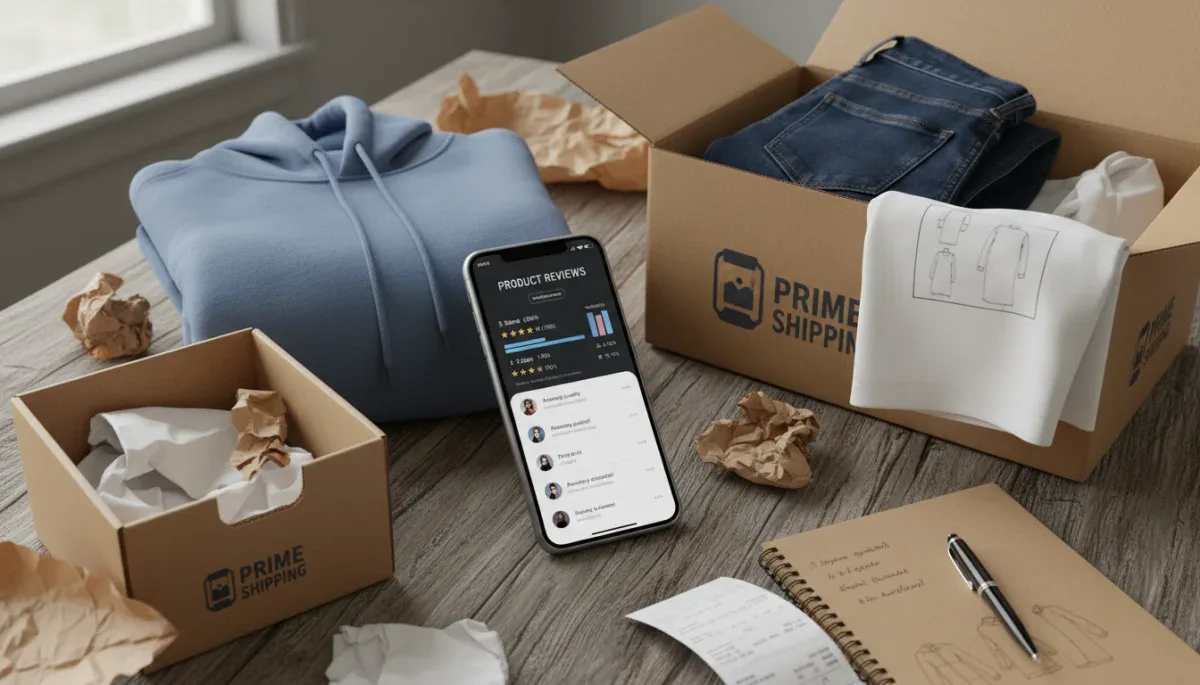
Free trial review programs on retail shopping platforms allow registered shoppers to receive merchandise at zero purchase cost in exchange for written feedback and real-world photographs. These systems help retail platforms gather verified customer assessments for newly launched product catalog items, which in turn influences future buyer confidence across high-volume marketplaces.
These programs help budget-conscious consumers test clothing, household supplies, and small accessories without upfront retail charges, but the catch lies in strict participation quotas, competitive selection algorithms, and firm submission deadlines that can lead to permanent account penalties if neglected. Understanding the mechanical rules behind these testing centers ensures you spend time on legitimate promotional tools rather than unauthorized third-party arrangements.
The basic mechanics of app testing centers
Most major online marketplaces incorporate native trial modules directly within their customer utility menus. When brands release new inventory or seek to build initial social proof for unrated stock keeping units, they allocate an allotted quantity of production samples directly to the host platform's sample pool. Shoppers browse these digital catalogs, submit an application for individual lots, and wait for automated lottery distributions to clear.
Advertisements
When an application earns approval, the platform issues an automated order through its standard fulfillment logistics network. The merchant or third-party seller covers both the merchandise base cost and baseline postal transit fees. The recipient assumes full custodial responsibility for testing the item according to manufacturer guidelines, recording clear visual documentation, and publishing an objective evaluation within a set processing window, which typically spans seven to fourteen calendar days following confirmed delivery.
Advertisements
Standard requirements for program applicants
- An active, fully verified account registered with a verified postal address in the United States.
- A documented history of standard customer behavior free of abnormal dispute filings or return fraud.
- Agreement to write original, long-form feedback accompanied by unfiltered, in-focus photos.
- Full compliance with platform deadlines to maintain positive internal testing scores.
The entire administrative transaction operates strictly within the official interface of the shopping service. If an initiative requires you to communicate via external messaging platforms, deposit external funds, or buy independent gift vouchers, that setup deviates from official program operations and violates general e-commerce security standards.
How selection algorithms choose program participants
Marketplace programs rarely distribute test lots through purely random number generation. E-commerce platforms rely on proprietary machine learning models that evaluate user profiles to maximize the likelihood of receiving detailed, high-converting assessments. Understanding the core metrics tracked by these algorithms helps clarify why some accounts receive regular trial allotments while inactive profiles face repeated rejections.
Account longevity plays an initial baseline role, but user engagement quality carries significantly heavier analytical weight. The algorithms monitor how thoroughly an applicant reviews past standard purchases made with their own funds. Accounts that routinely submit multi-paragraph critiques, measure dimensions against product sizing charts, and upload high-resolution images under natural daylight develop higher internal reviewer authority ratings than accounts submitting one-word approvals.
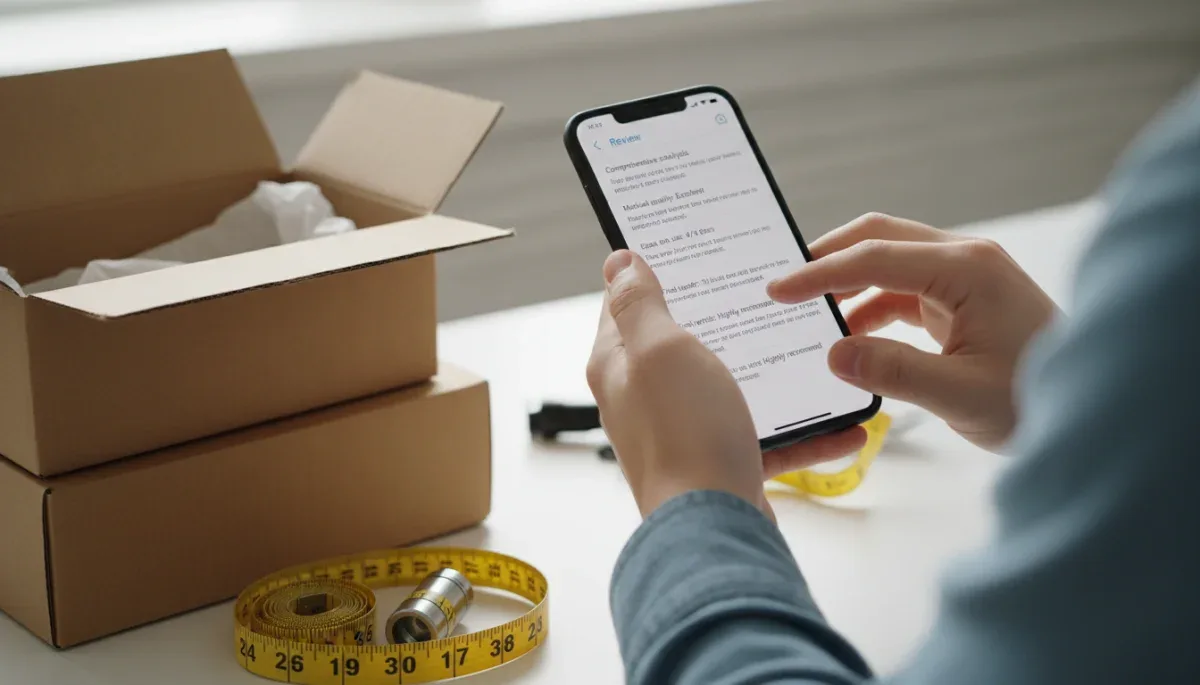
Niche categorization also shapes regular selection cycles. An algorithm distributing kitchen storage containers favors profiles that frequently buy home organization tools, whereas apparel lots route toward profiles with established clothing purchases. The system looks for relevant contextual familiarity so the resulting feedback addresses practical material performance, stitch integrity, wash wear, or assembly friction.
Application velocity and consistency further influence automated batch scoring. Most applications limit shoppers to a set quota of active applications per week, such as three concurrent submissions per cycle. Platforms register steady, targeted participation over months rather than erratic bursts of hundreds of indiscriminate requests across unrelated catalog sections.
Writing compliant evaluations and avoiding common pitfalls
Receiving promotional goods through an in-app center creates an operational obligation to deliver a comprehensive appraisal. Platforms use both natural language processing algorithms and human moderation teams to screen submissions before publishing them to the public product page. Rushed or inadequate submissions routinely result in profile disqualification from subsequent catalog draws.
A compliant appraisal must evaluate practical physical characteristics rather than generic enthusiasm. If an apparel sample arrives, the assessment should detail precise fabric hand-feel, stretch recovery, seam alignment, opacity, and real-world fit relative to the stated sizing chart. For household items, document assembly clarity, structural rigidity under standard weight loads, and ease of routine cleaning.
Key components of an approved evaluation
- A minimum character count that answers specific functional questions about product utility.
- At least three distinct photographs showing the full item, close-ups of construction details, and the item in active use.
- An objective list of both positive observations and clear functional drawbacks.
- An honest sizing or dimension comparison matching published seller specifications.
Federal trade regulations and platform terms prohibit artificial praise. The Federal Trade Commission enforces strict guidelines requiring transparent disclosure whenever goods are provided at no cost for promotional feedback. Platforms automatically attach promotional tags to published entries, but the reviewer must maintain independent judgment. Lowering ratings for poor quality never harms account standing; submitting misleading, copy-pasted, or duplicate text is what causes platform penalties.
Financial rules, shipping fees, and potential hidden costs
Legitimate in-app review tools emphasize zero-dollar checkout totals, but shoppers must still manage logistical boundaries and secondary tax considerations. Official platform programs generally waive standard domestic shipping, handling, and restocking fees for authorized sample selections. If an ordering screen prompts for credit card authorization or unexpected freight charges, inspect the listing details to ensure you are not interacting with an outside third-party vendor.
Import limitations and localized distribution affect availability across certain regions. For customers residing within the continental United States, standard ground carriers handle domestic parcel delivery without added customs tariffs for low-value personal shipments. However, remote territories or military post office addresses may face geographic exclusions depending on seller logistics agreements.
Tax documentation represents another practical consideration for high-frequency product testers. Under United States tax principles, goods received in exchange for formal review services may constitute taxable non-cash compensation based on fair market value. While occasional recipients of low-cost lifestyle items rarely exceed reporting minimums, individuals who consistently obtain higher-tier household gadgets, specialty tools, or electronics should maintain an organized log of received items and speak with a qualified tax professional regarding annual reporting rules.
Return logistics do not apply to sample assignments. You are generally not required, nor permitted, to ship evaluated trial products back to the warehouse after filing an appraisal. Because you retain permanent possession of the goods, platforms bar users from attempting warranty returns, merchant credit exchanges, or cash refunds on zero-cost promotional distributions.
How free trial review programs compare to third-party refund schemes
Navigating digital bargains requires drawing a bright line between official app-based testing modules and third-party reimbursement groups found on external social media networks. Official initiatives operate entirely within the authenticated software perimeter of the retail store, protecting user privacy and payment data.
Third-party refund groups, often operating through private messaging channels, instruct shoppers to buy specific catalog listings using personal funds, leave a five-star review, and request an external cash reimbursement through independent payment processors. These arrangements violate the terms of service of virtually every major marketplace and directly contradict consumer protection laws enforced by the Federal Trade Commission.
Key differences between native and outside programs
- Platform programs never require private payment routing or external money transfers.
- Native initiatives welcome critical and negative ratings without withholding product access.
- Outside review arrangements demand pre-screened five-star ratings before releasing partial refunds.
- Third-party schemes routinely result in permanent marketplace account termination for review manipulation.
Engaging with outside refund solicitations exposes buyers to direct financial risk. Dishonest operators frequently disappear once an order is placed, leaving the customer with an overpriced, low-grade product and zero recourse through official consumer dispute channels. Keeping all promotional activities anchored strictly to the native utility tab of your shopping application safeguards your account integrity and your personal finances.
Managing deadlines and maintaining reviewer standing
Once a test selection clears logistics and arrives at your address, the operational clock begins immediately. Delivery tracking syncs directly with the retail platform, automatically establishing an unalterable deadline for text and photo submission. Managing this schedule prevents automated flags that downgrade profile standing.
If life disruptions or missing packages interrupt testing, contact customer support inside the application before the published window closes. Documenting shipment issues, transit damage, or sizing errors early allows representatives to update internal tracking logs, adjust your review obligations, or void the assignment without issuing an administrative strike against your tester profile.
Maintaining an active reviewer standing requires treating each assignment with deliberate attention. Keeping a dedicated surface for unboxing, capturing clean images during daylight hours, and taking rough notes during initial use reduces the effort needed to assemble a comprehensive submission. Over time, consistent compliance establishes an ongoing record of reliability that helps preserve access to future review selections across participating marketplace categories.
At a glance
| Evaluation factor | What to know |
|---|---|
| Application limits | Most programs cap simultaneous active applications to a small weekly quota. |
| Cost obligation | Official native programs do not charge for merchandise or baseline domestic shipping. |
| Review freedom | Shoppers may leave low or critical ratings without losing program standing. |
| Fulfillment risk | Third-party off-platform refund groups violate rules and create financial liabilities. |
Frequently asked questions
Do negative reviews get you removed from review programs?
No. Legitimate marketplace testing programs do not penalize shoppers for critical assessments. Platforms require honest, factual reporting regarding sizing issues, fragile components, or poor instructions. Accounts face penalties for missed deadlines, plagiarized text, low-effort summaries, or failure to upload required photographs, rather than for giving low star ratings.
How long do you have to submit a product evaluation?
Review submission windows typically range from seven to fourteen days from verified postal delivery. The exact due date appears inside the account notifications or the application testing menu. Missing this deadline without authorized customer support intervention can result in automated suspension from participating in future trial rounds.
Can you return an item received through a free trial?
No. Items distributed through trial programs are marked as zero-dollar promotional samples in warehouse management systems. They cannot be returned for cash, exchanged for alternative sizes, or redeemed for store credit. You keep the merchandise permanently once your evaluation meets published platform guidelines.
Are free trial review products subject to income taxes?
Yes, depending on total volume. Under United States tax guidelines, merchandise received in exchange for services can be viewed as taxable compensation at fair market value. While occasional low-value household items rarely create substantial liabilities, frequent high-value product testers should monitor federal reporting thresholds with a licensed tax advisor.
The bottom line
In-app product testing hubs provide a safe, legitimate path to evaluate new goods without retail charges, provided you adhere strictly to official platform software and avoid dangerous third-party reimbursement setups. Success with these programs demands methodical writing, honest reporting, and punctual photo submissions that help fellow shoppers make informed choices. Before applying for your first product allotment, check the program terms inside the app to confirm current shipping allowances and submission deadlines.

Written by
Rita Luiza
Rita Luiza covers home and kitchen for S2YOU, from everyday essentials and small appliances to product-testing panels for household goods. She compares prices, warranties and return policies across retailers, and checks every detail on the brand's official site before publishing.